
Published on 21/10/2026
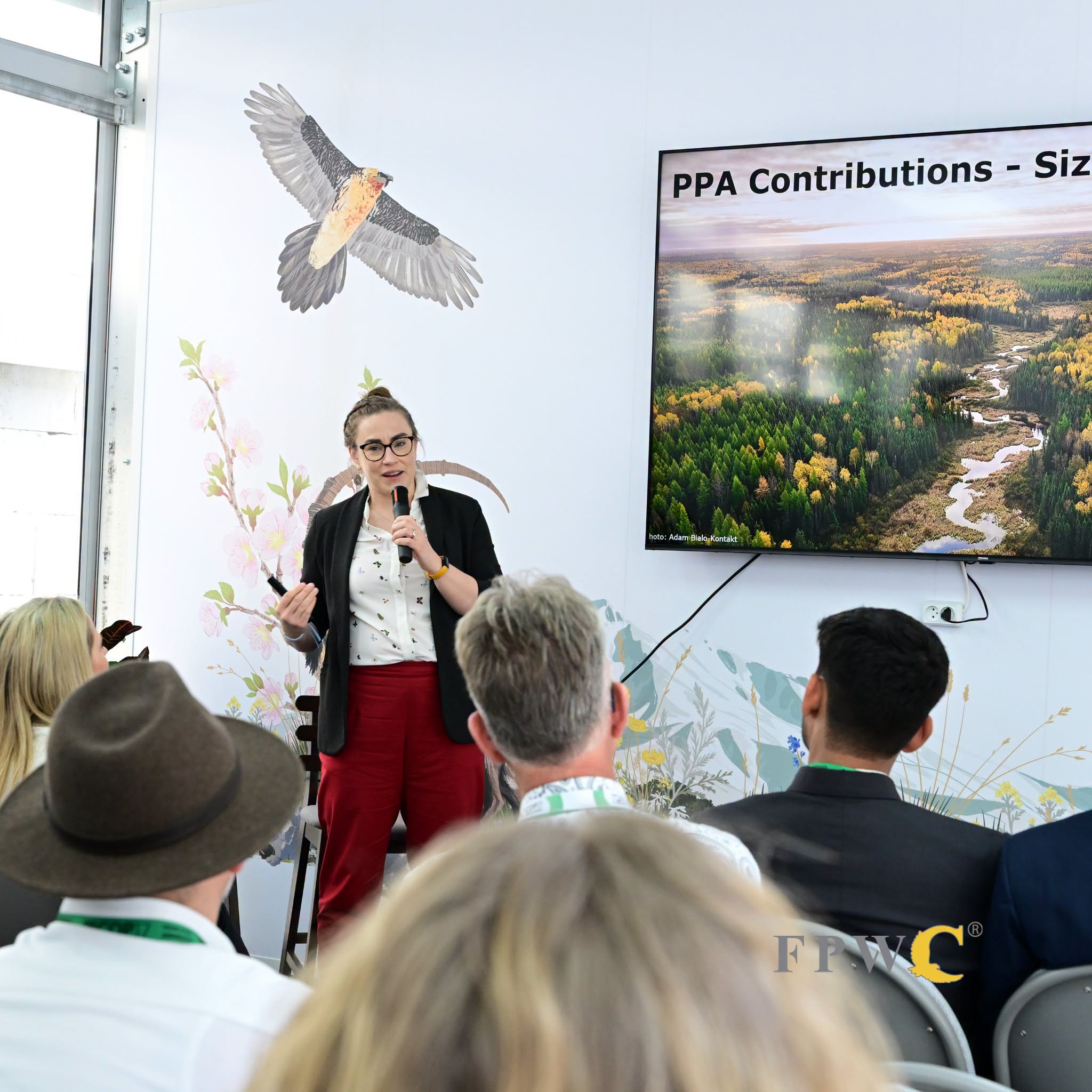
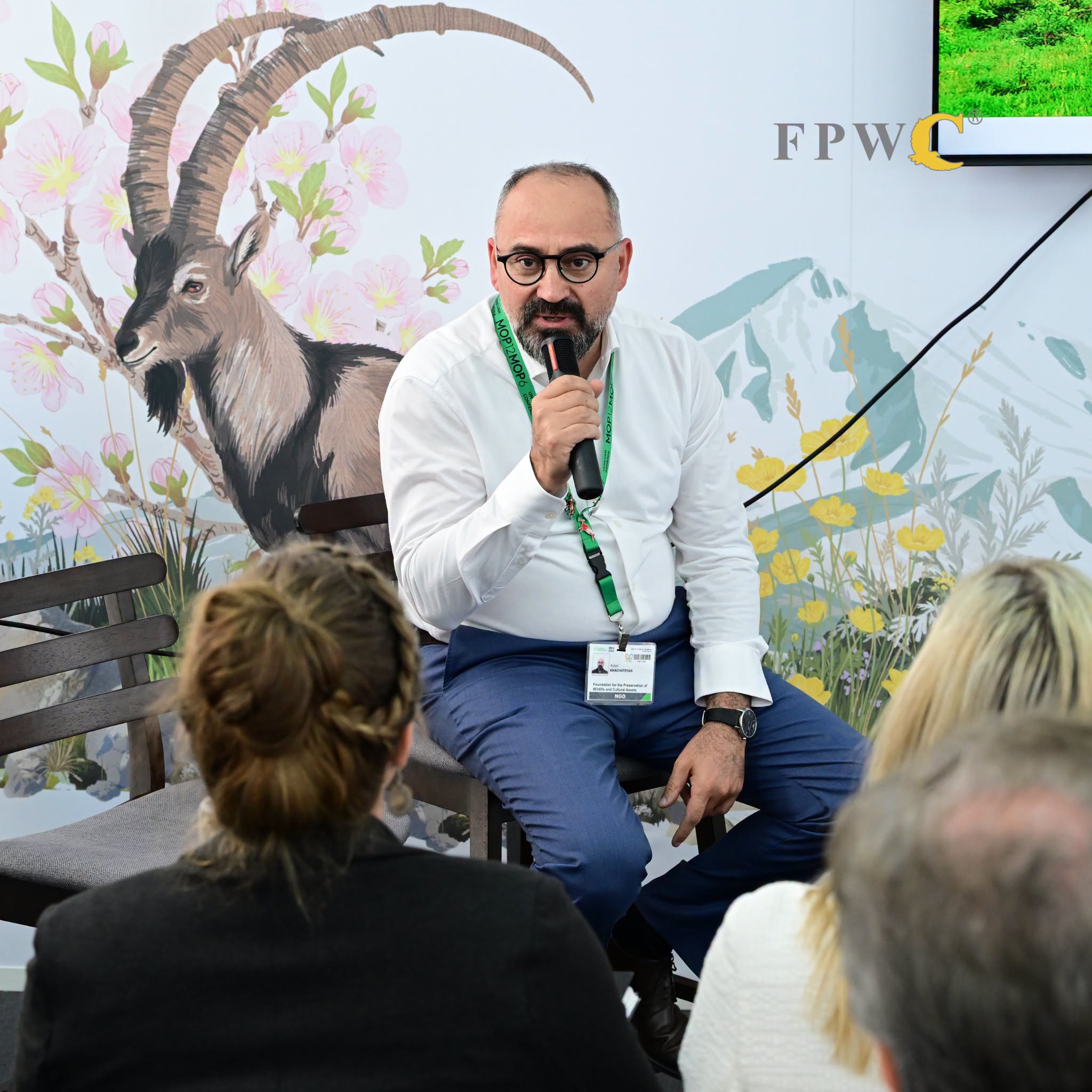
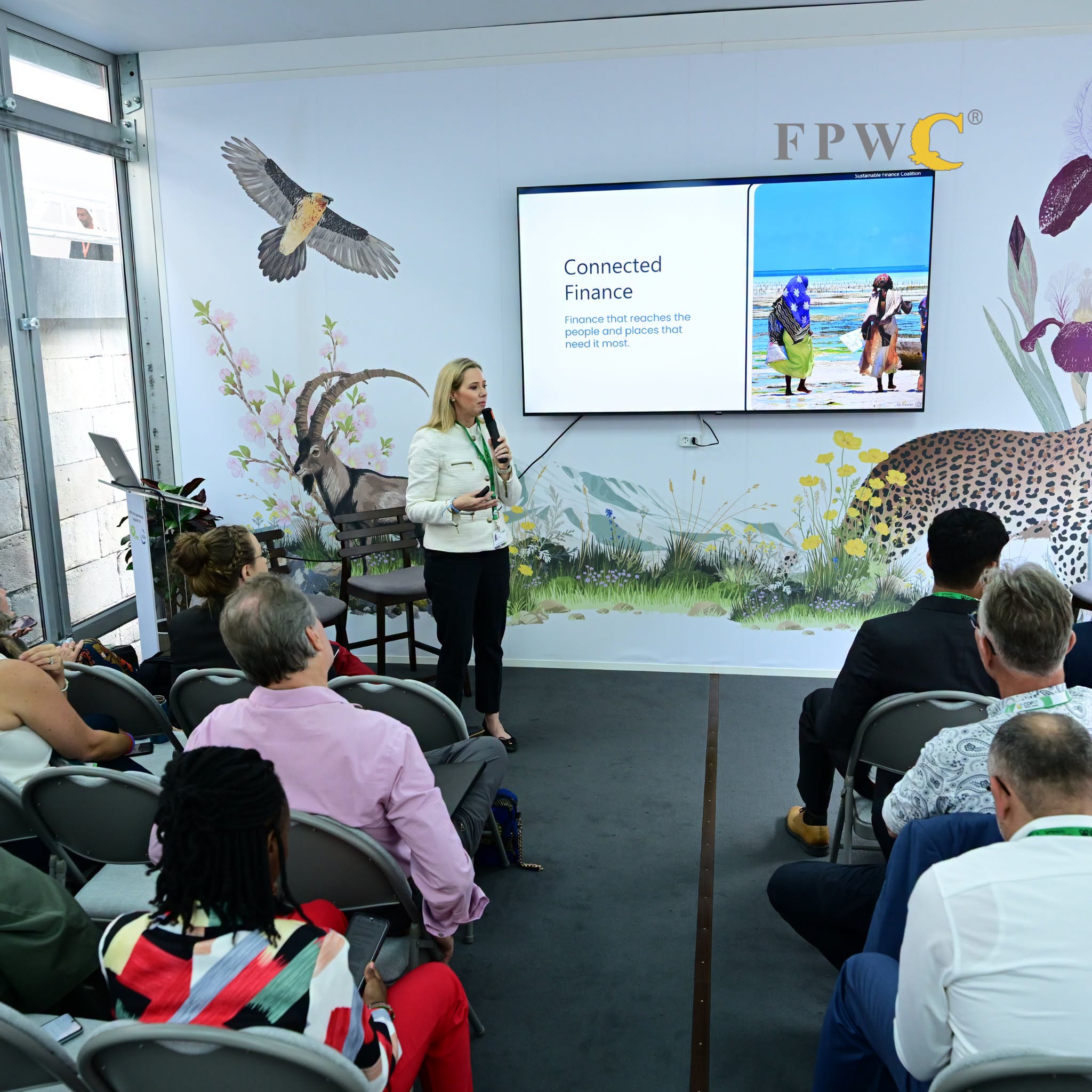
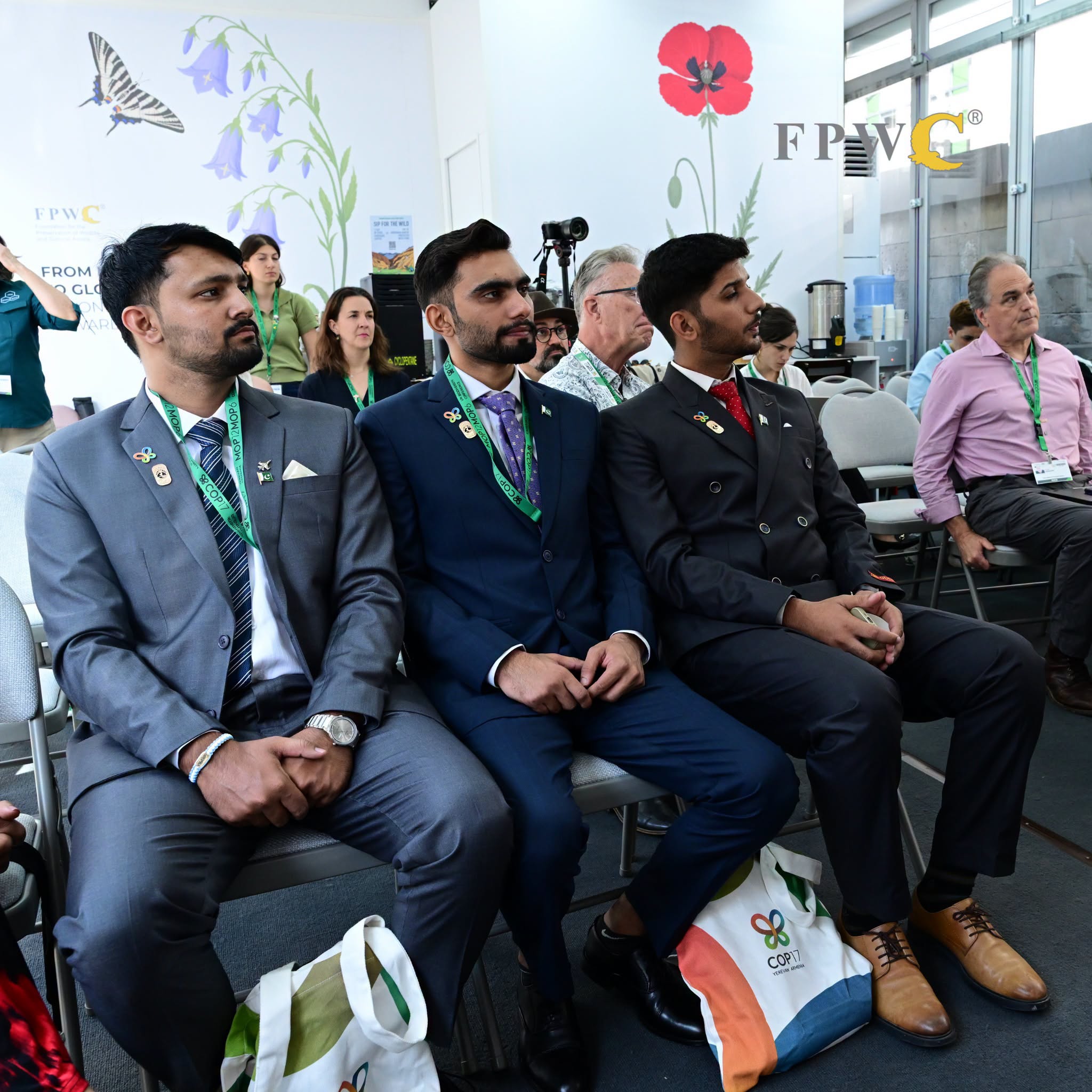
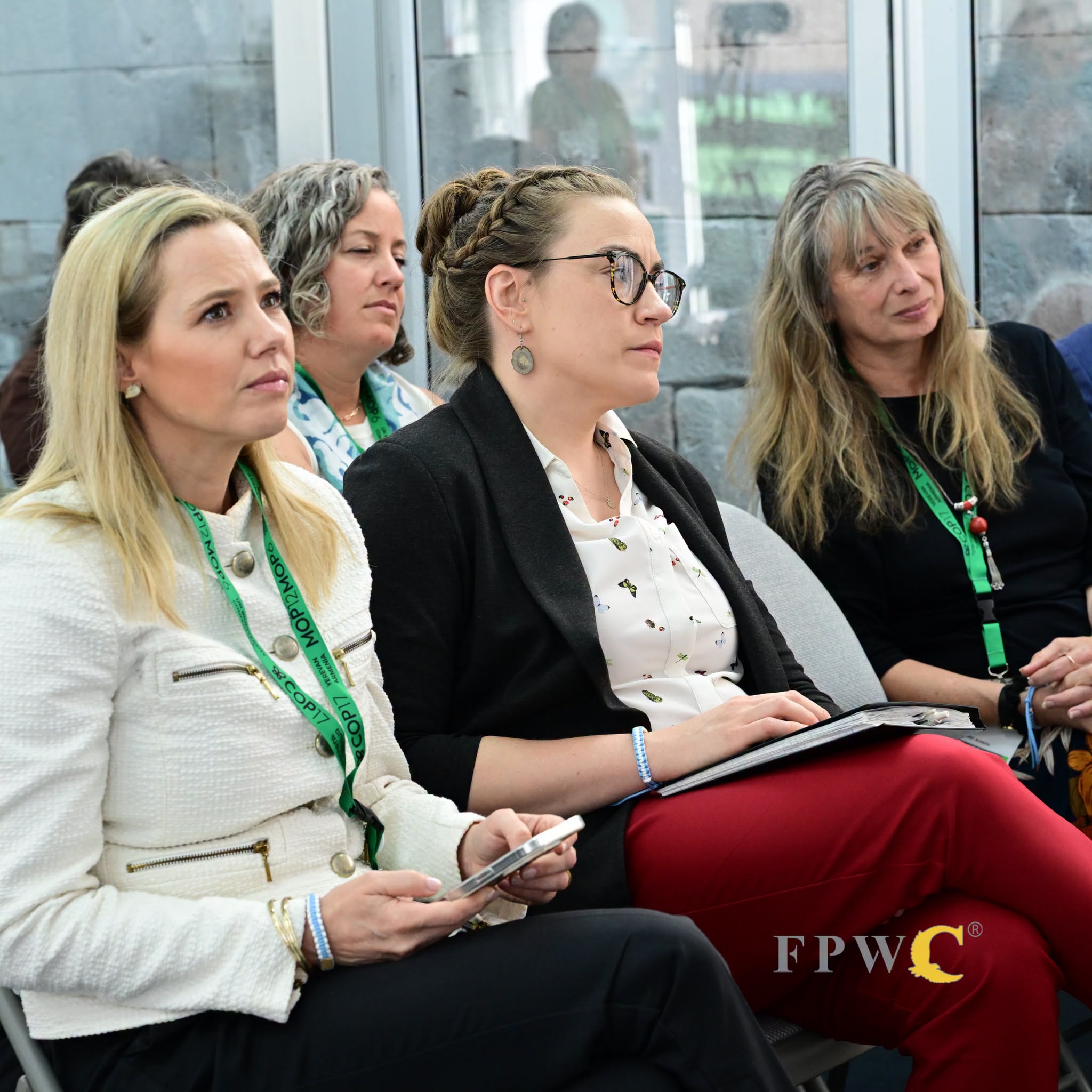
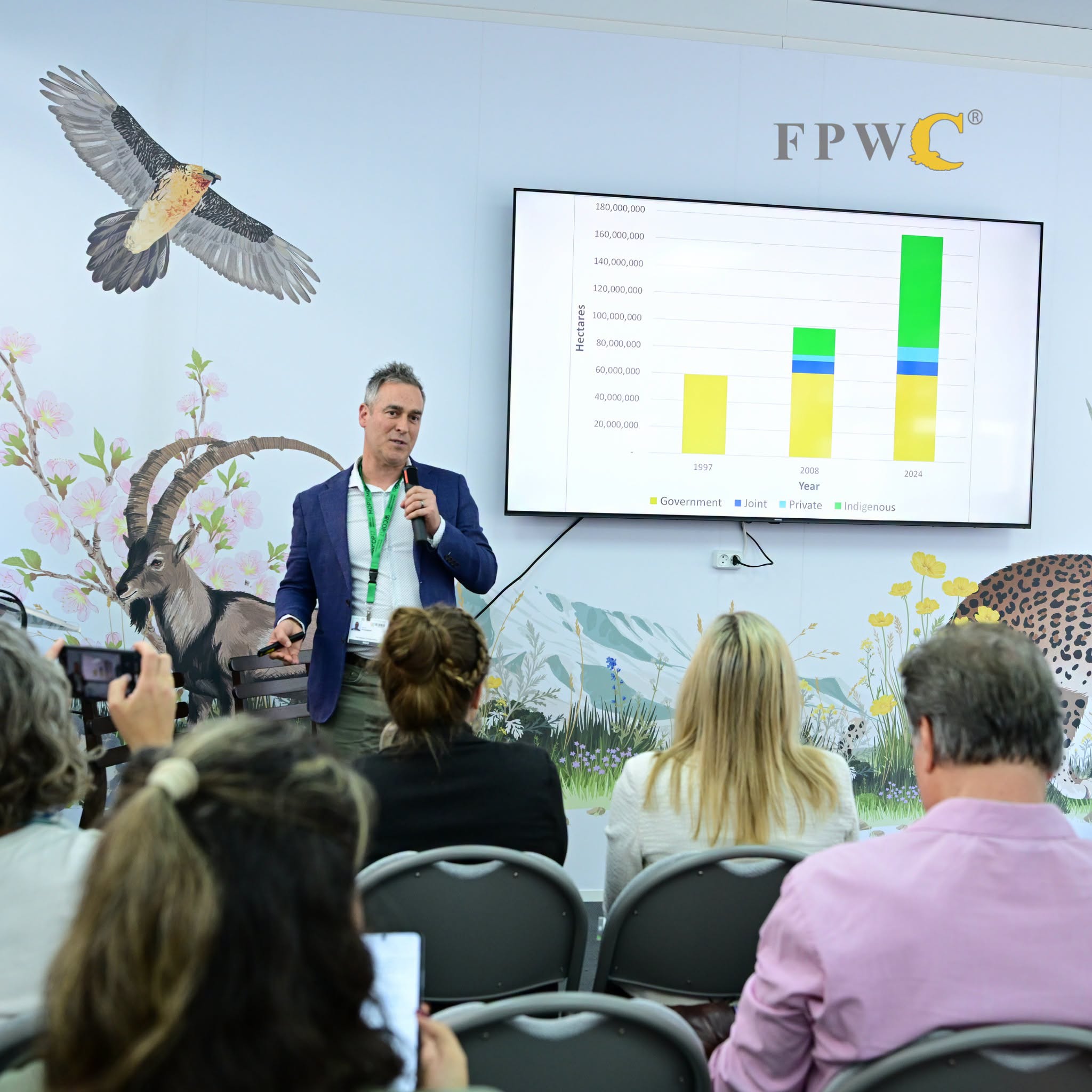
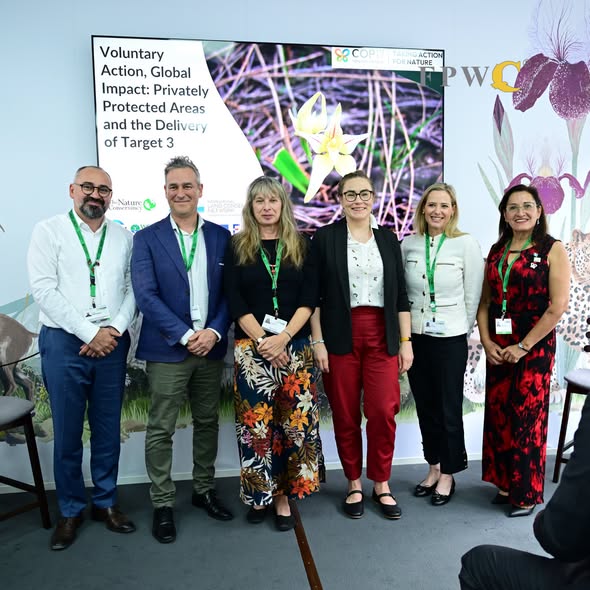
The discussion titled “Strengthening the Science–Policy Interface to Improve the Implementation of the Convention on Biological Diversity (CBD) in Armenia, Eastern Europe, and the Caucasus” took place at the Armenian National Pavilion in the Blue Zone of the 17th Conference of the Parties to the UN Convention on Biological Diversity (CBD COP17). The event was jointly organized by the AUA Acopian Center for the Environment, FPWC, WWF Armenia, IUCN, and partner organizations. During the discussion, Tsovinar Hovhannisyan, Environmental Programs Manager at the Foundation for the Preservation of Wildlife and Cultural Assets (FPWC), highlighted the crucial role of local environmental organizations in bridging scientific research, public policy, and local communities. She emphasized that non-governmental organizations are uniquely positioned to test scientific findings directly in the field, evaluate the results, and use this evidence to develop practical conservation solutions tailored to local conditions. The Caucasus Wildlife Refuge (CWR) was presented as a successful example of science-based and community-driven conservation. Through more than a decade of managing this privately protected area, FPWC has successfully increased the local population of bezoar goats from 50 to over 1,000 individuals, thanks to effective habitat protection and active engagement with local communities. Expanding on the practical application of scientific data, Tsovinar Hovhannisyan also addressed mechanisms for mitigating human–bear conflict. She noted that combining ecological data on the movements of Syrian brown bears with socio-economic analyses of local communities makes it possible to develop evidence-based policies and practical preventive measures that protect both people and biodiversity. FPWC’s experience once again demonstrates that achieving the national and regional objectives of the Convention on Biological Diversity requires strengthening the science–policy–community interface and ensuring the active involvement of local organizations.