
Published on 16/11/2026
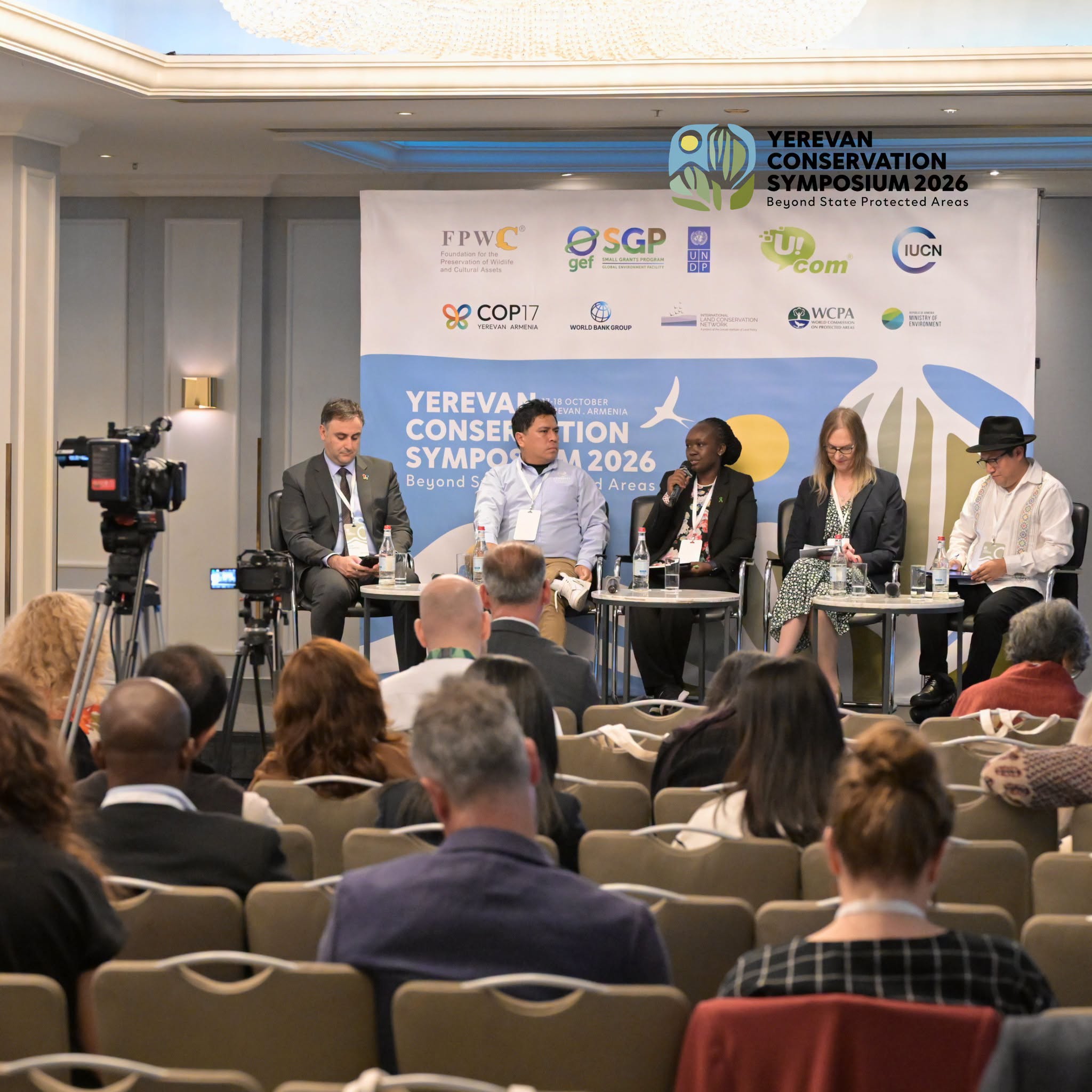
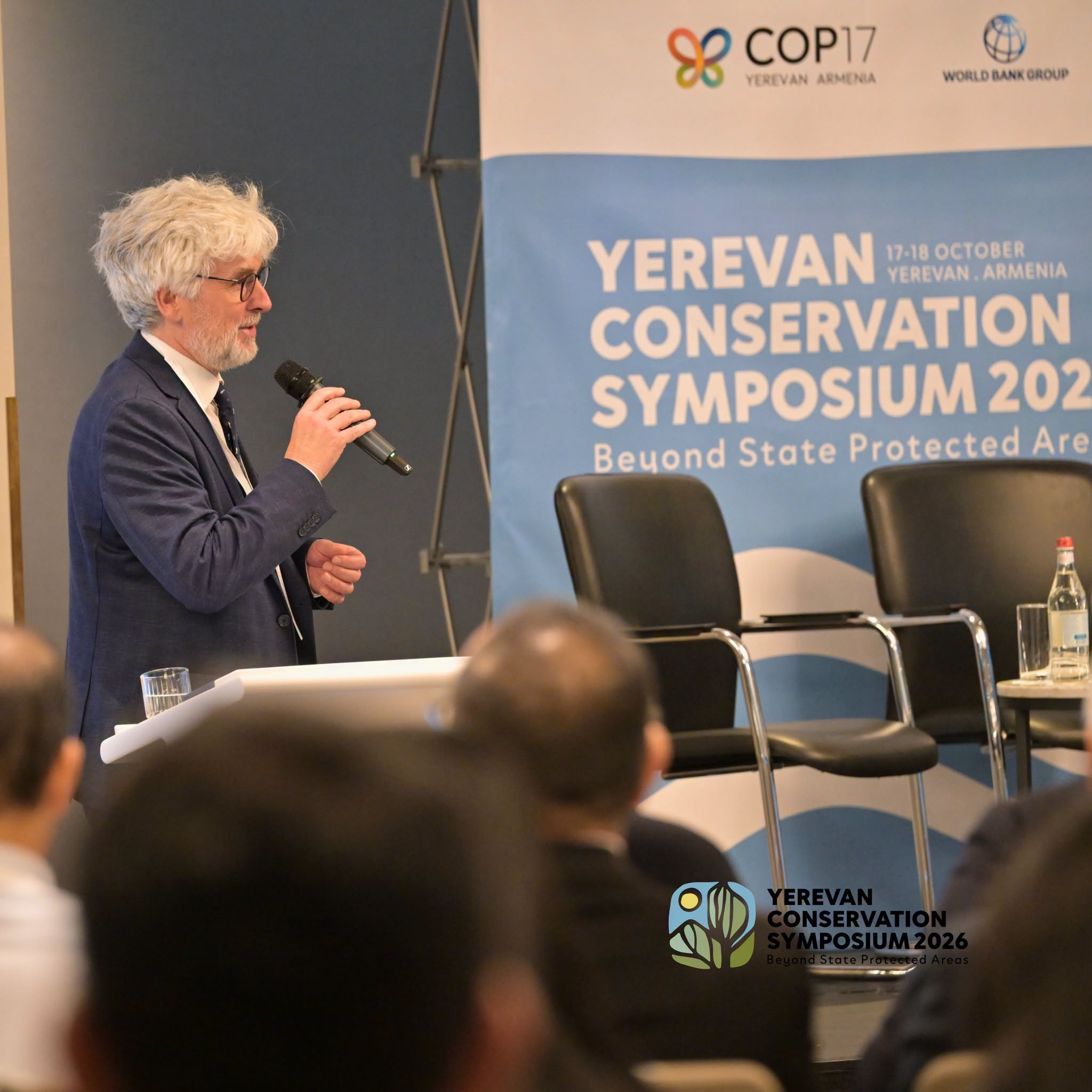
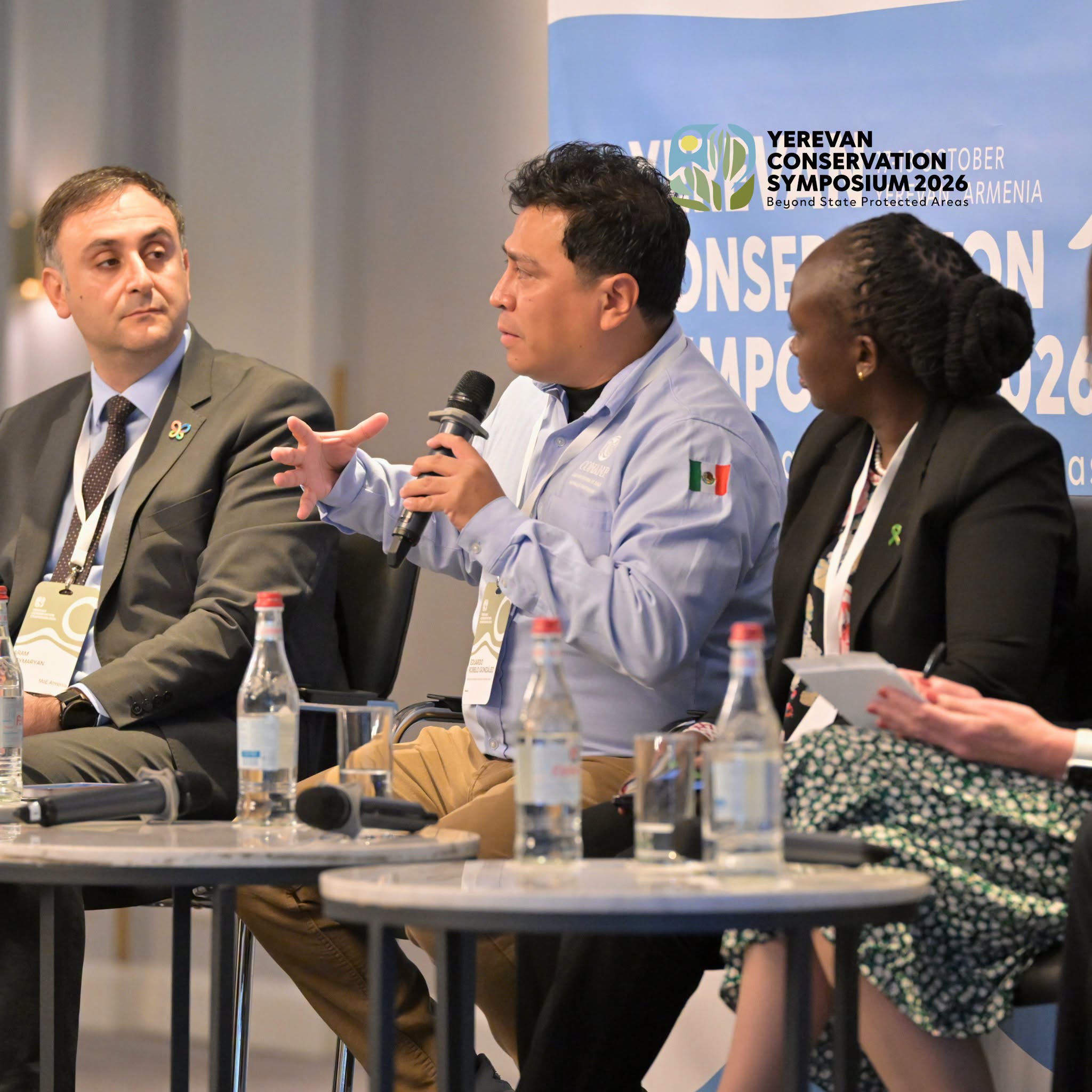
Within the framework of the "Yerevan Conservation Symposium 2026" (YCS 2026), a high-level panel discussion titled "The Pathway to Effective and Equitable Target 3 Implementation" took place. Moderated by Tim Badman of the International Union for Conservation of Nature (IUCN), the session brought together conservation leaders from international organizations and various countries to discuss practical mechanisms and challenges in implementing Target 3 (30x30) of the Kunming-Montreal Global Biodiversity Framework.
At the start of the discussion, Q'apaj Conde Choque, representing the Secretariat of the UN Convention on Biological Diversity (UN Biodiversity / CBD), addressed the value-based and legal foundations of this global target. “Target 3 brings together conservation effectiveness, ecological connectivity, and equitable governance. It explicitly recognizes the rights of Indigenous Peoples and local communities over their traditional territories, emphasizing the inseparable link between nature, culture, and governance,” he noted.
This potential of community and private initiatives is best demonstrated in practice through the successful experiences of various countries. In this context, Eduardo Robelo González of Mexico's National Commission of Natural Protected Areas (CONANP) shared his country's experience: “Alongside state protected areas in Mexico, there are more than 600 'Voluntarily Designated Conservation Areas' (Áreas Destinadas Voluntariamente a la Conservación). This proves that private and community initiatives play a pivotal role in achieving the 30x30 target.”
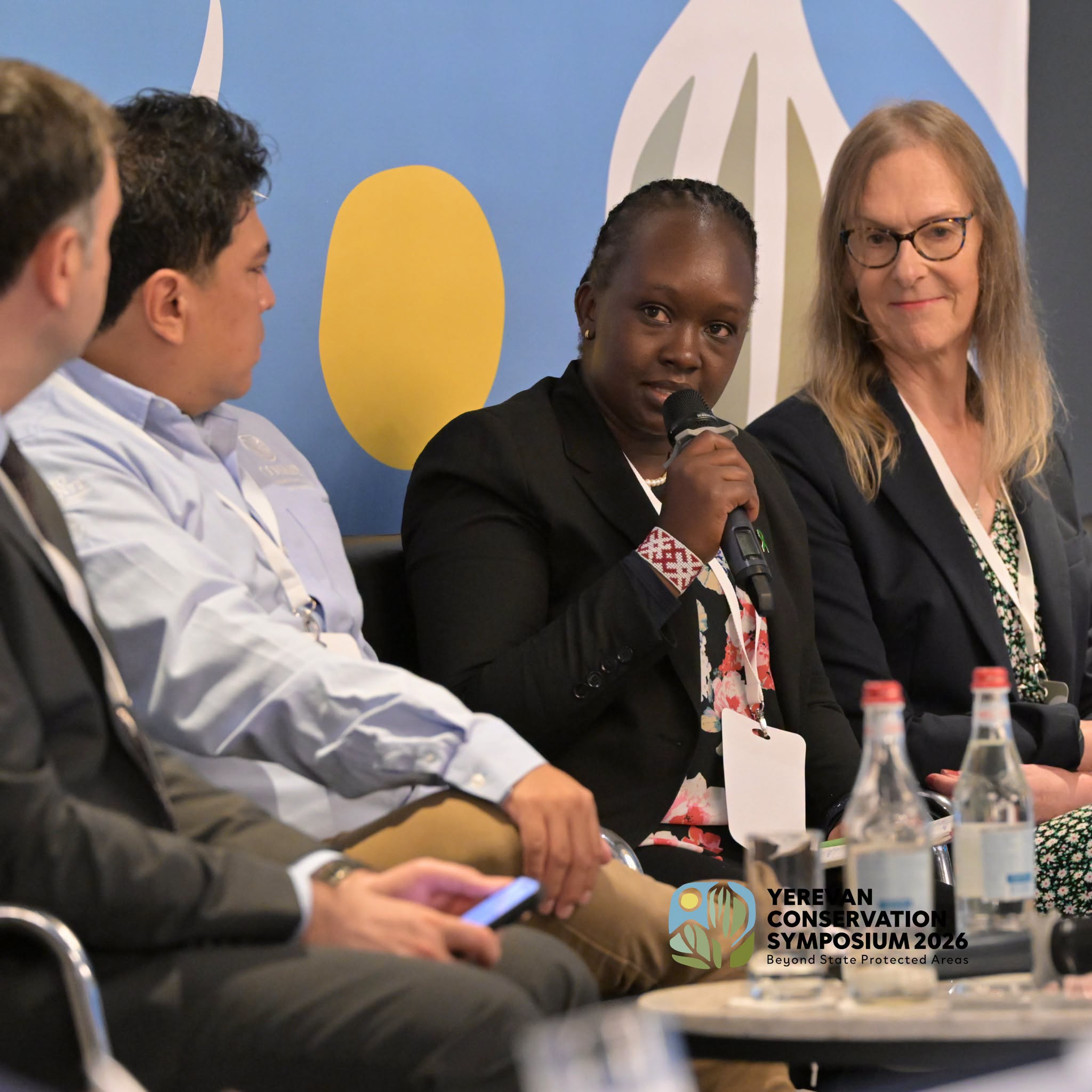
Expanding on the theme of diversifying governance models, Mayiani Saino from Kenya's Ministry of Environment, Climate Change and Forestry shared an African model where non-state conservation already surpasses state figures. “Diverse governance is the driving force that will enable the delivery of Target 3. In Kenya, community and private conserved areas cover about 16% of the country's territory, exceeding state reserves. Strong legal frameworks and the clear recognition of OECMs are decisive in achieving these results,” she emphasized.
Alongside these international examples, Deputy Minister of Environment of the Republic of Armenia Aram Meymaryan stressed the importance of shared responsibility between the state and society, as well as ecosystem integrity. “Creating protected areas is not enough; we must think about ecosystem connectivity, habitats, and the communities living there. Inclusivity and close cooperation between the state, civil society, science, and communities are the only reliable pathway to biodiversity conservation,” the Deputy Minister noted.
The high-level panel discussion once again reaffirmed the shared vision of participating countries and institutions—to unite efforts toward one common goal: equitable, inclusive, and effective conservation worldwide.