
Published on 29/06/2026
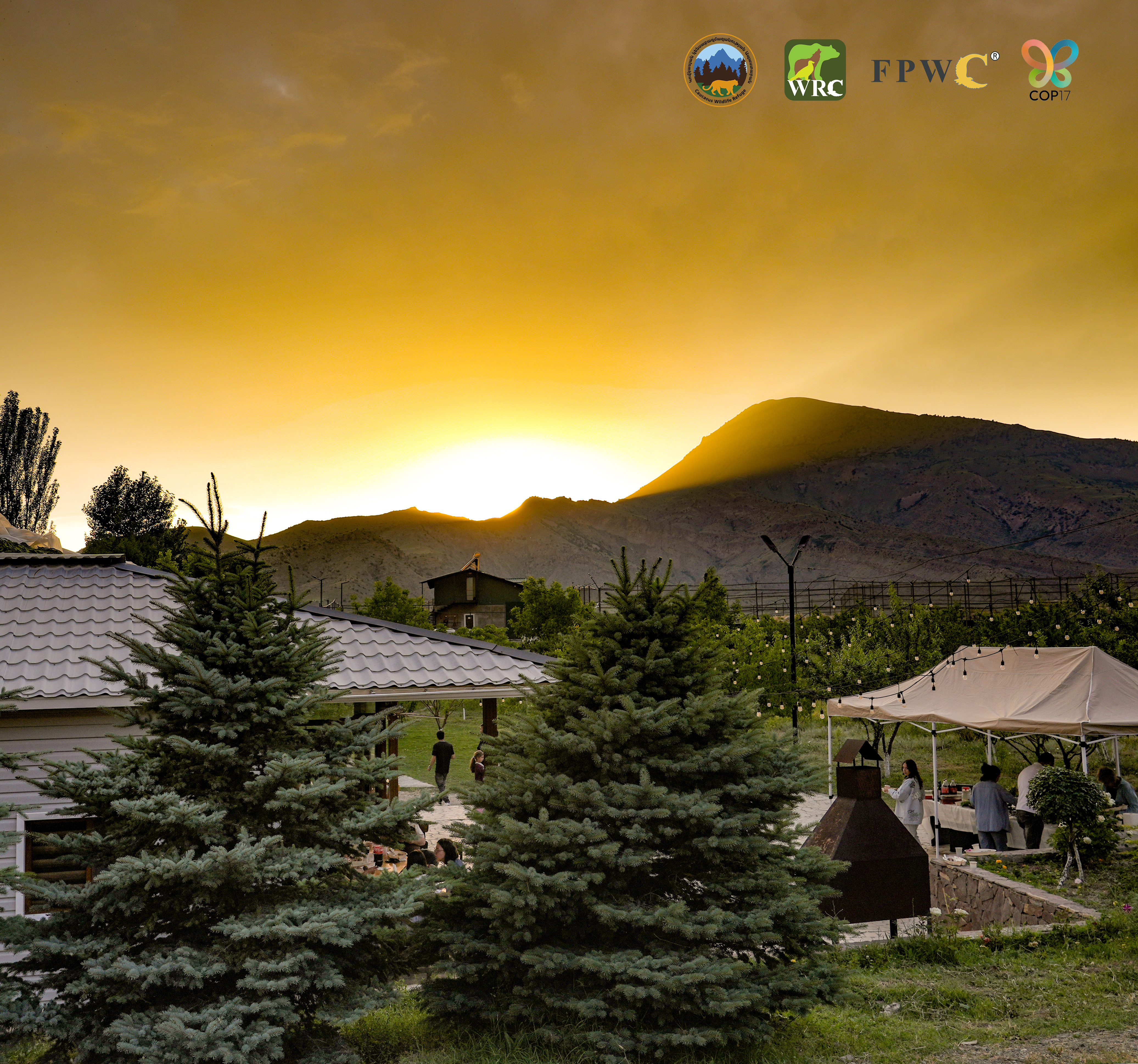
The two-day field visit of the journalists participating in the COP17 Media School kicked off at the Eco-Center of the Caucasus Wildlife Refuge (CWR), managed by the Foundation for the Preservation of Wildlife and Cultural Assets (FPWC). The first day of the visit, which took place on June 27, was packed with strategic discussions, practical field work, and an environmental film screening.
The first day commenced with a strategic discussion led by FPWC Founder Ruben Khachatryan. The focus of the discussion was on the fulfillment of Armenia's international commitments within the context of the global biodiversity crisis and the upcoming COP17 conference. The speaker detailed how alternative and private conservation models can effectively prevent biodiversity loss, which was followed by an active Q&A session.
The theoretical knowledge was followed by a hands-on introduction to CWR's conservation methods. The journalists closely examined the refuge's technical and innovative capabilities:
- Innovative monitoring systems,
- Modern video surveillance equipment and camera traps,
- Advanced fire prevention methods.
The participants had the opportunity to understand how technology serves as an essential tool for rangers to ensure the security of the area and the tranquility of the wildlife.
The field visit program continued with two key thematic sessions. Accompanied by FPWC Project Director Sona Kalantaryan, the journalists visited the foundation's greenhouse. They learned about the specifics of growing native tree species, viewing landscape restoration as a powerful tool for combating climate change and preserving biodiversity. Following that, Tsovinar Hovhannisyan, Head of Environmental Projects at FPWC, presented ways to resolve human-wildlife conflicts. The journalists were introduced to successful practices using electric fences and supplementary feeding, which alleviate pressure on communities while maintaining a safe environment for wild animals.
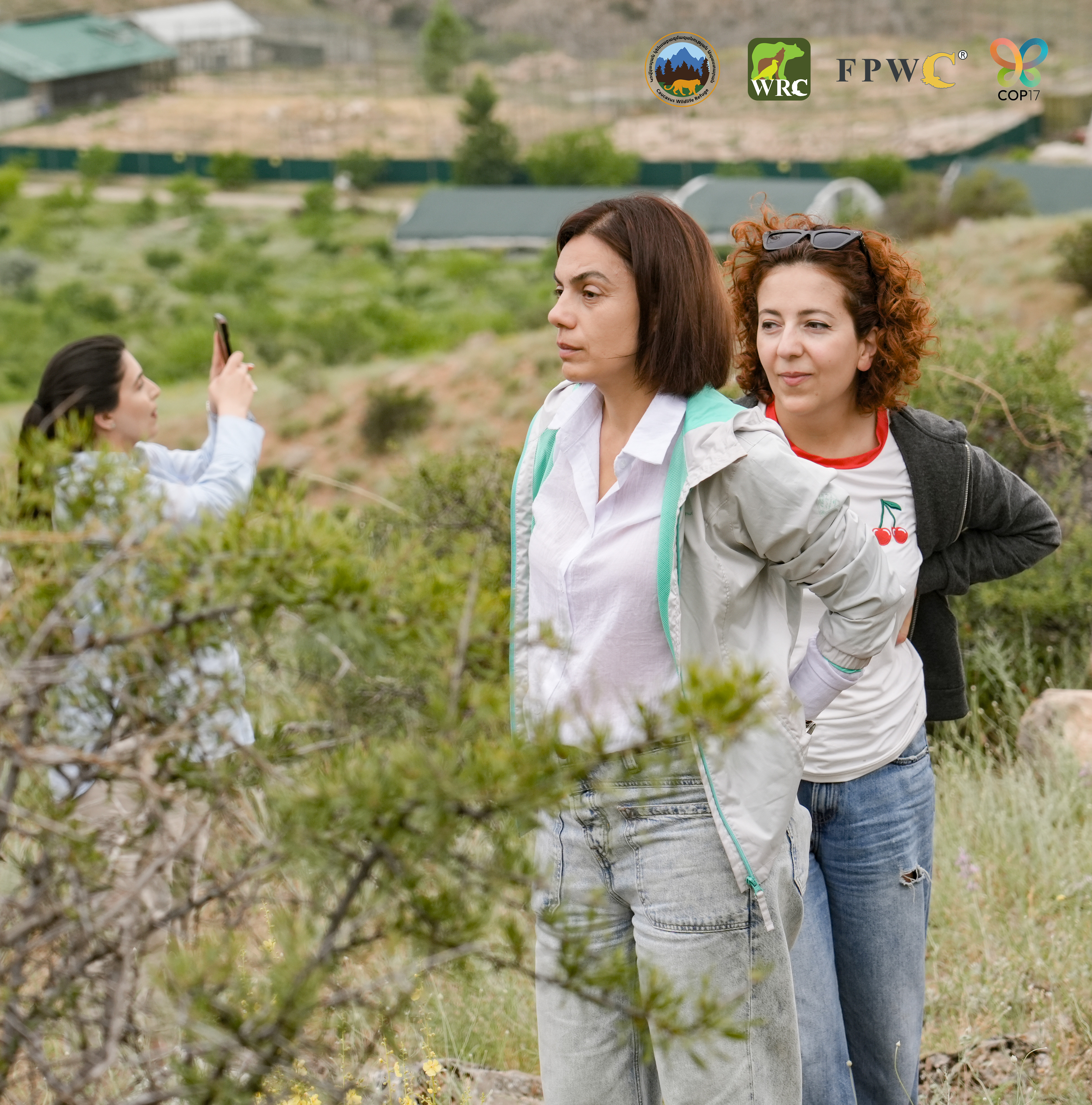
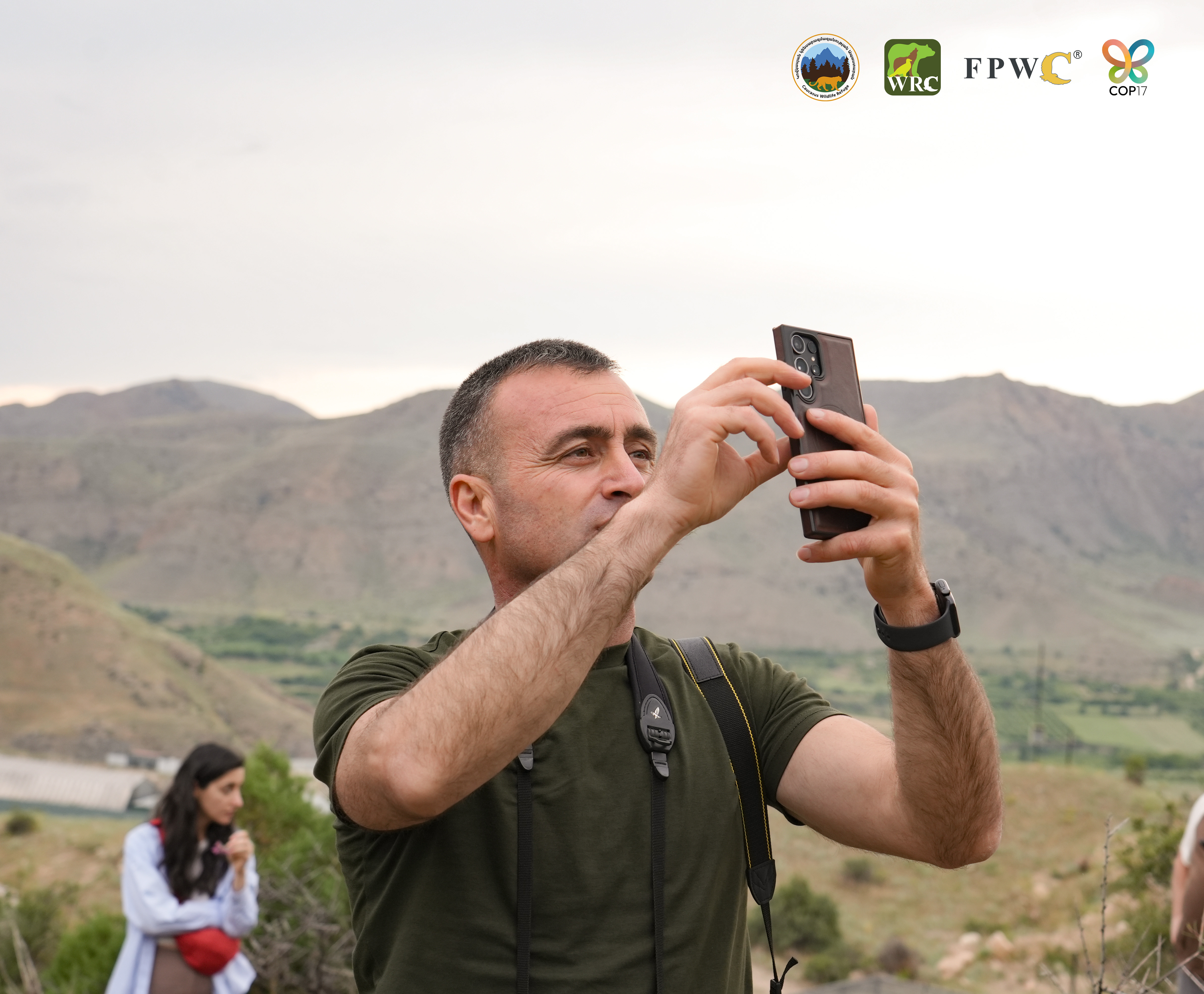
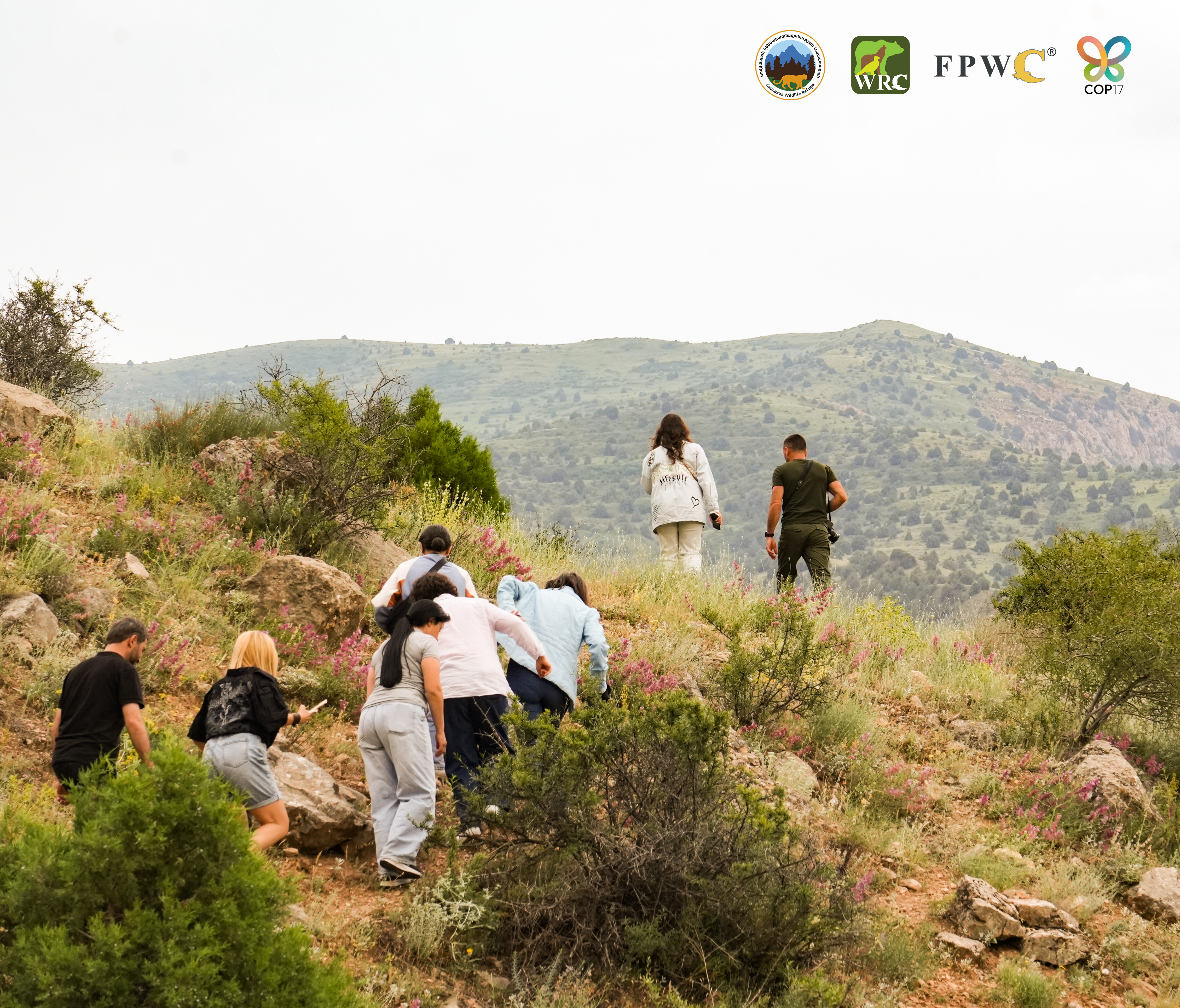
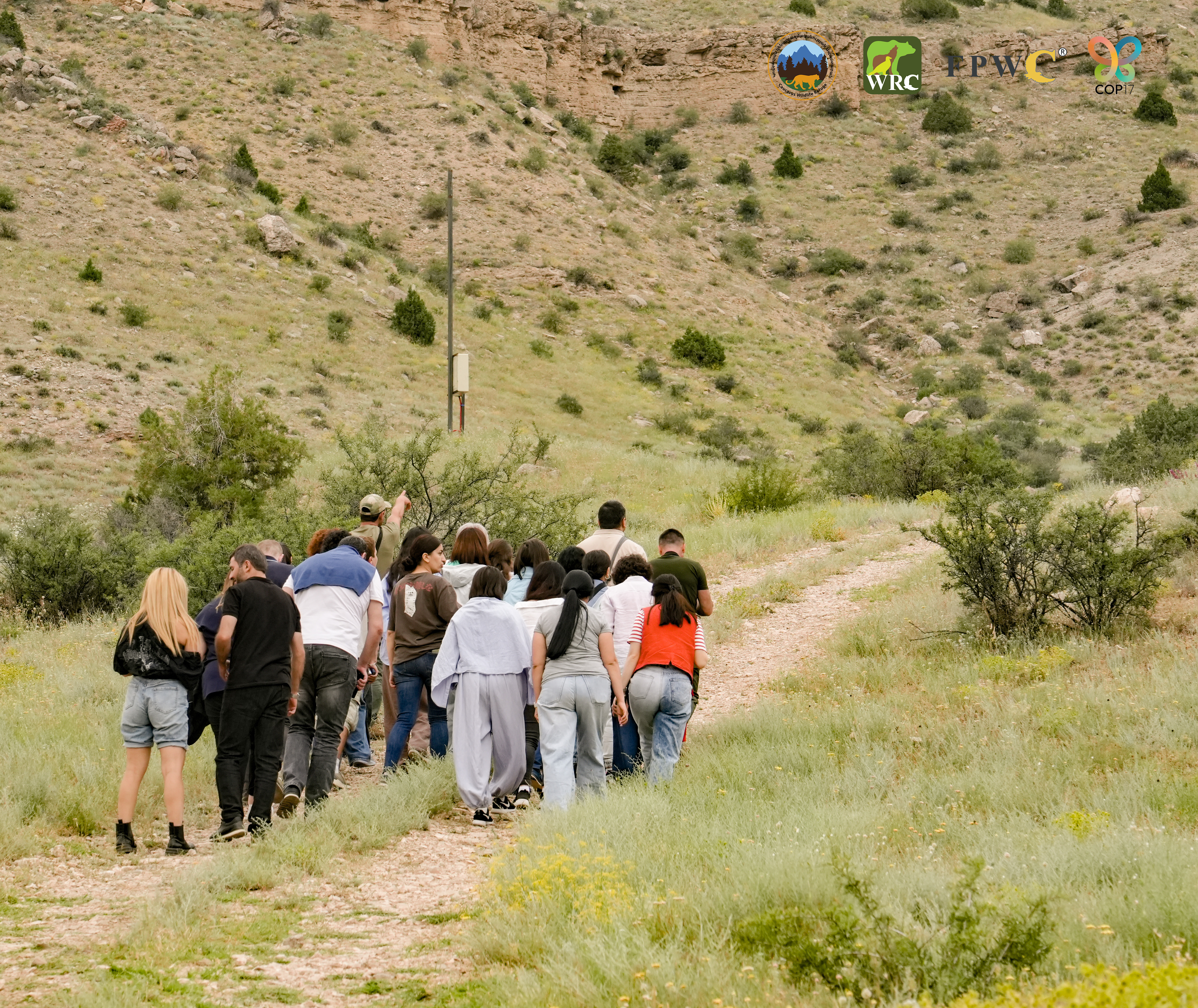
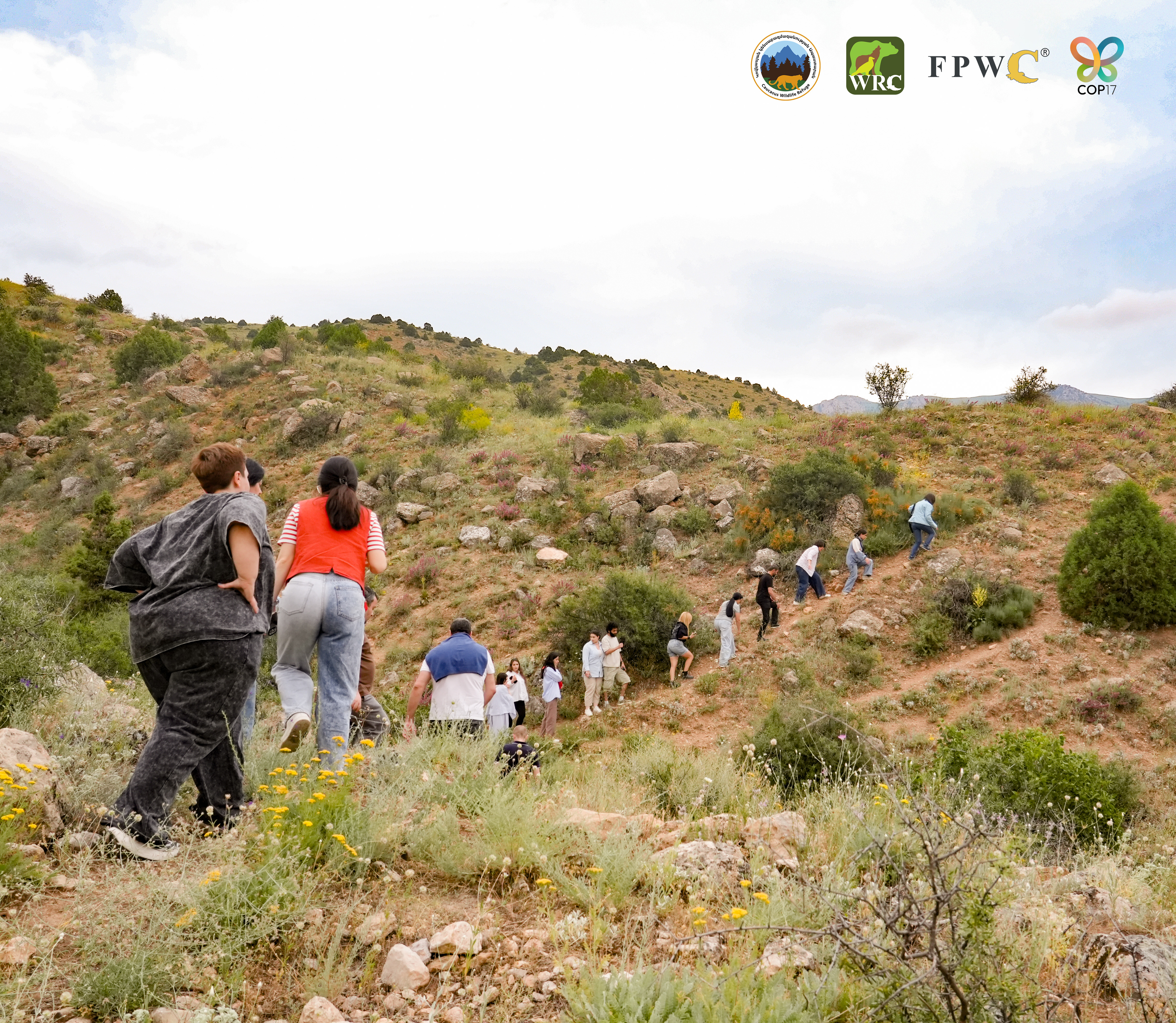
One of the most impressive parts of the day was the field observation, which served as a practical journalism exercise for the participants. The journalists climbed up to special observation points, from where they had the chance to spot Bezoar ibexes and various birds in their natural habitat. The active presence of these wildlife species in the refuge is the best measurable indicator of ecosystem recovery and effective conservation.
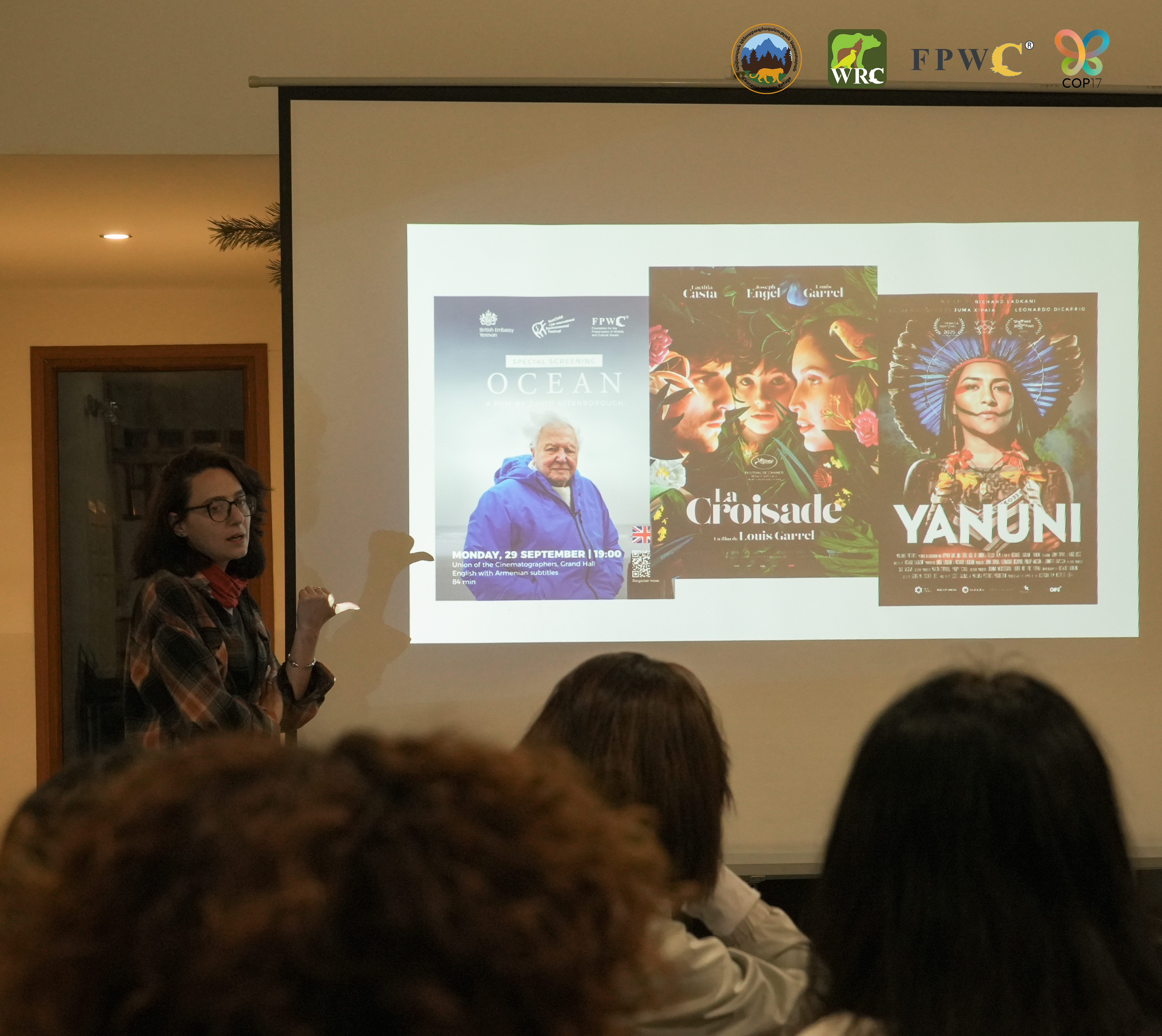
The first day's program concluded with a special film screening from the "SunChild" International Environmental Festival. The participants watched the documentary "The Last of the Nightingales" directed by Masha Karpukhina.
The first day's program concluded with a discussion on cultural and public initiatives. The participants were introduced to the foundation's most impactful platforms: the "SunChild" International Environmental Festival and "Yeghegis Fest." The core objective of this presentation was to engage media representatives more actively in these processes, viewing them not merely as reporters, but as full participants in eco-educational initiatives and shifting public awareness.
The journalists' visit was organized by the Foundation for the Preservation of Wildlife and Cultural Assets (FPWC) within the framework of the COP17 Media School.
The COP17 Media School was organized by the Ministry of Environment of the Republic of Armenia, the United Nations Office in Armenia, and GIZ, with the support of the European Union (EU) and the Federal Ministry for the Environment, Climate Action, Nature Conservation and Nuclear Safety of the Federal Republic of Germany (BMUKN).