
Published on 25/10/2026
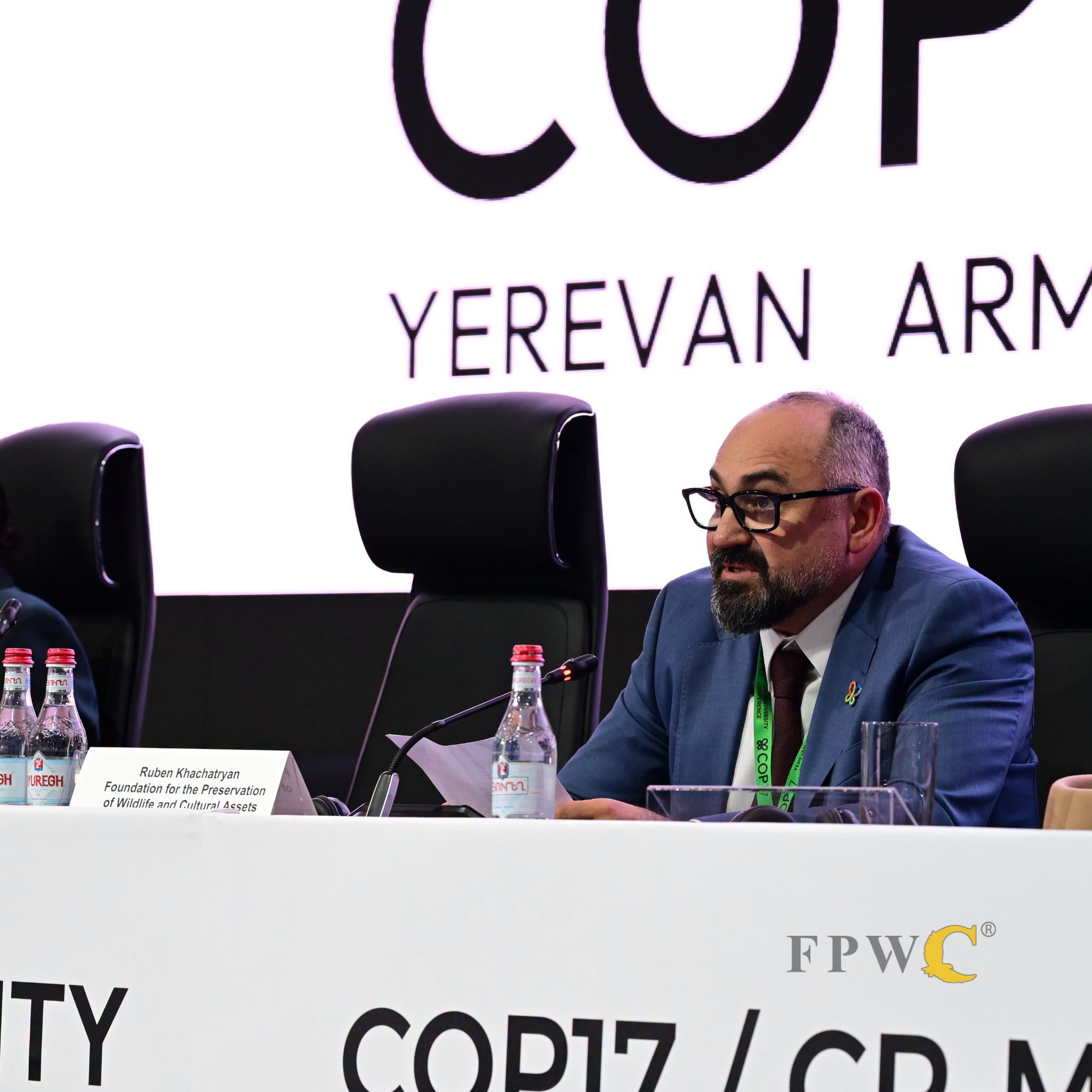
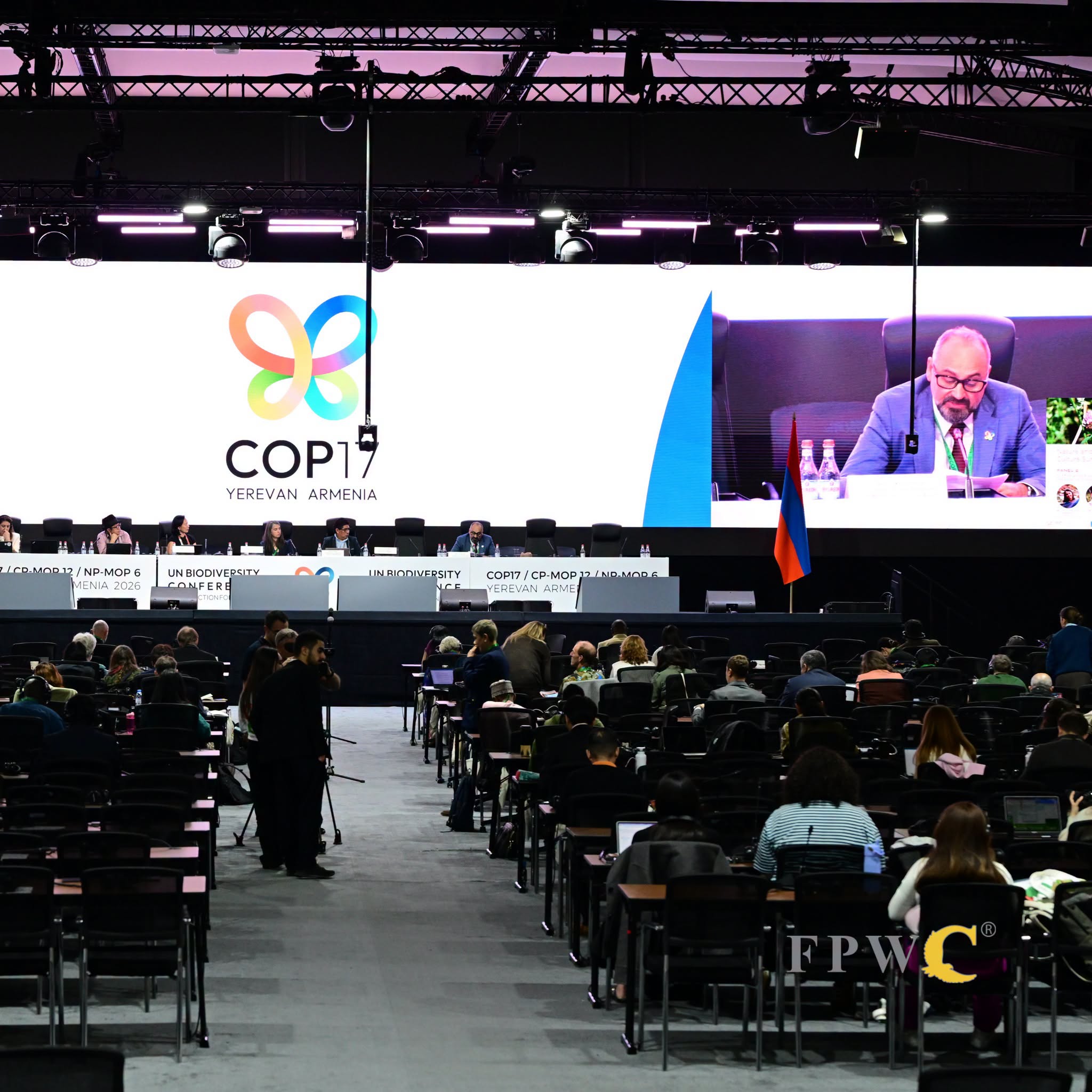
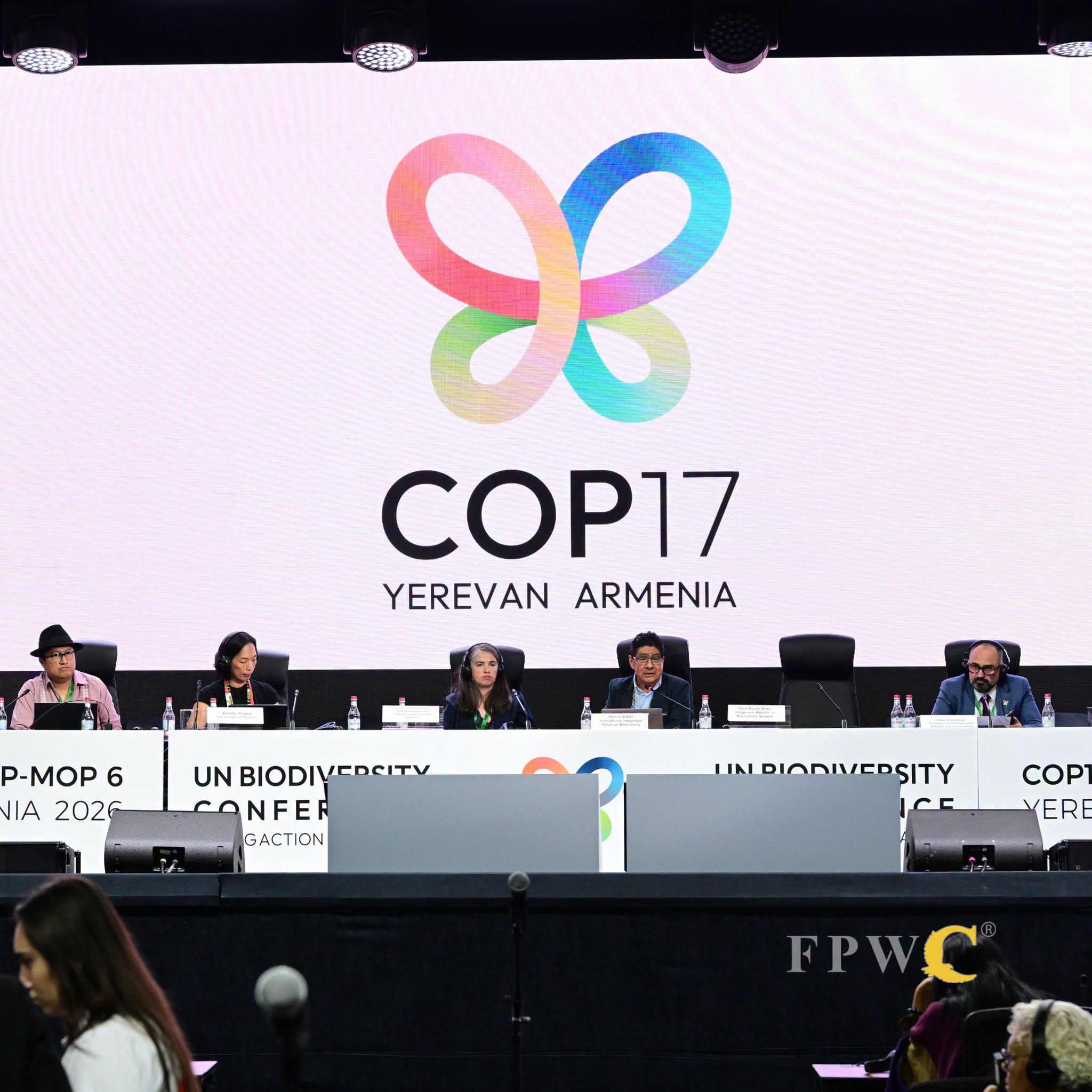
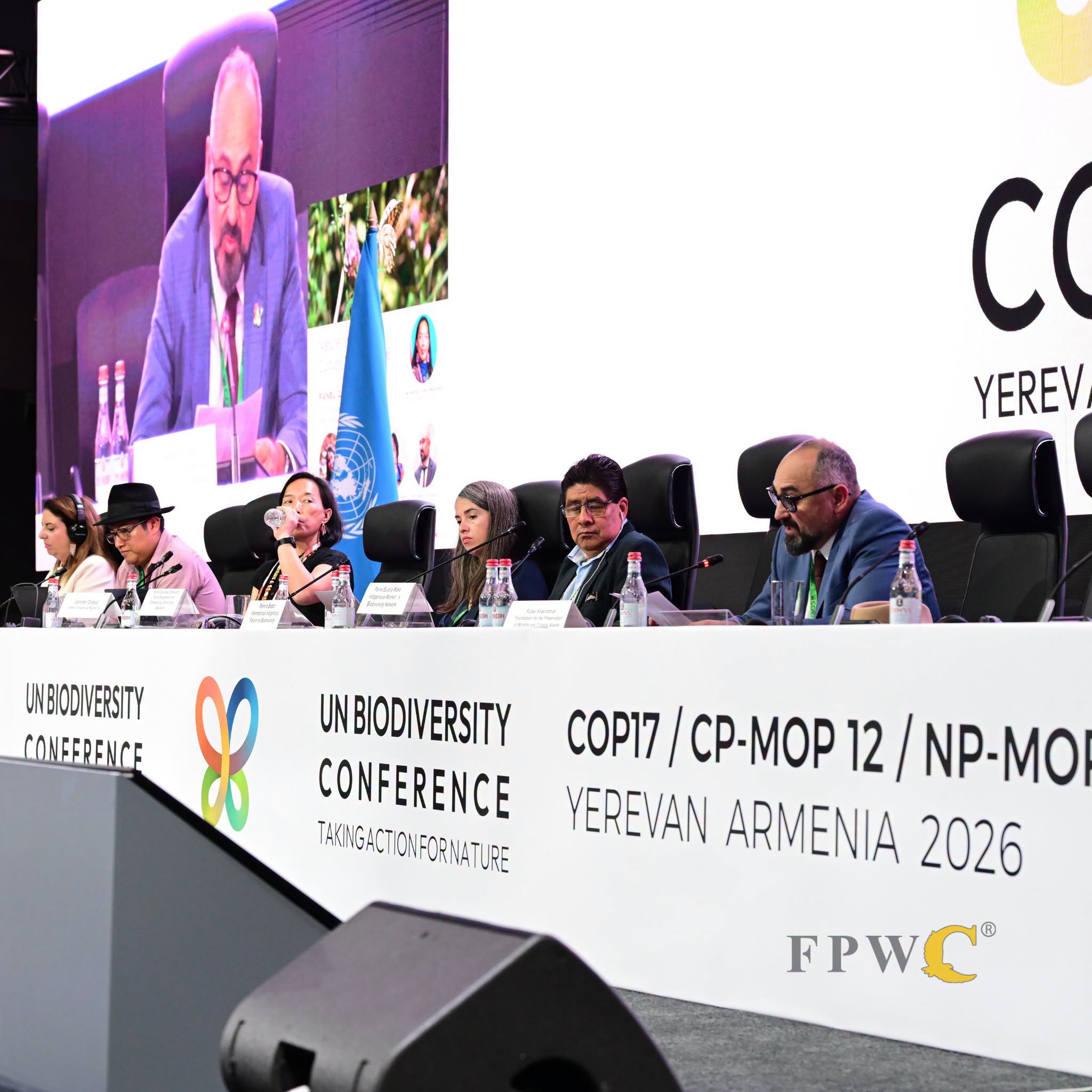
Within the framework of the 17th meeting of the Conference of the Parties to the Convention on Biological Diversity (COP17), Ruben Khachatryan, Founder and Director of the Foundation for the Preservation of Wildlife and Cultural Assets (FPWC), delivered a keynote address at “Panel 3: Sustained by Community-Led Area-Based Conservation” during the Nature and Culture Summit 2026. In his remarks, he reflected on the inseparable link between natural landscapes and cultural identity, emphasizing that from the very first day of FPWC’s founding, wildlife conservation and the protection of cultural heritage have been united into one shared mission.
According to Ruben Khachatryan, landscapes are not merely geographical territories; they carry centuries of history, traditions, local knowledge, and cultural identity. Consequently, if only the physical landscape is preserved while the cultural and human ties shaped over centuries are overlooked, it becomes impossible to safeguard the true and holistic value of that territory.
In the context of fully realizing this cultural and community potential, the FPWC Director also highlighted the outcomes of the “Beyond State Protected Areas” symposium held recently in Yerevan, which concluded with a clear “Call to Action” toward achieving Target 3 of the Kunming-Montreal Global Biodiversity Framework (KMGBF). He stressed that existing barriers must be removed to fully recognize and support traditional stewards of nature, local communities, and diverse governance models.
Concluding his address, Ruben Khachatryan underscored that effective conservation requires transitioning from exclusively state-led management toward inclusive systems of shared responsibility—engaging local communities, civil society, and the private sector in the process: “Nature and culture are not two separate heritages. They are part of one shared heritage, and protecting one means taking responsibility for the other.”