
Published on 20/10/2026
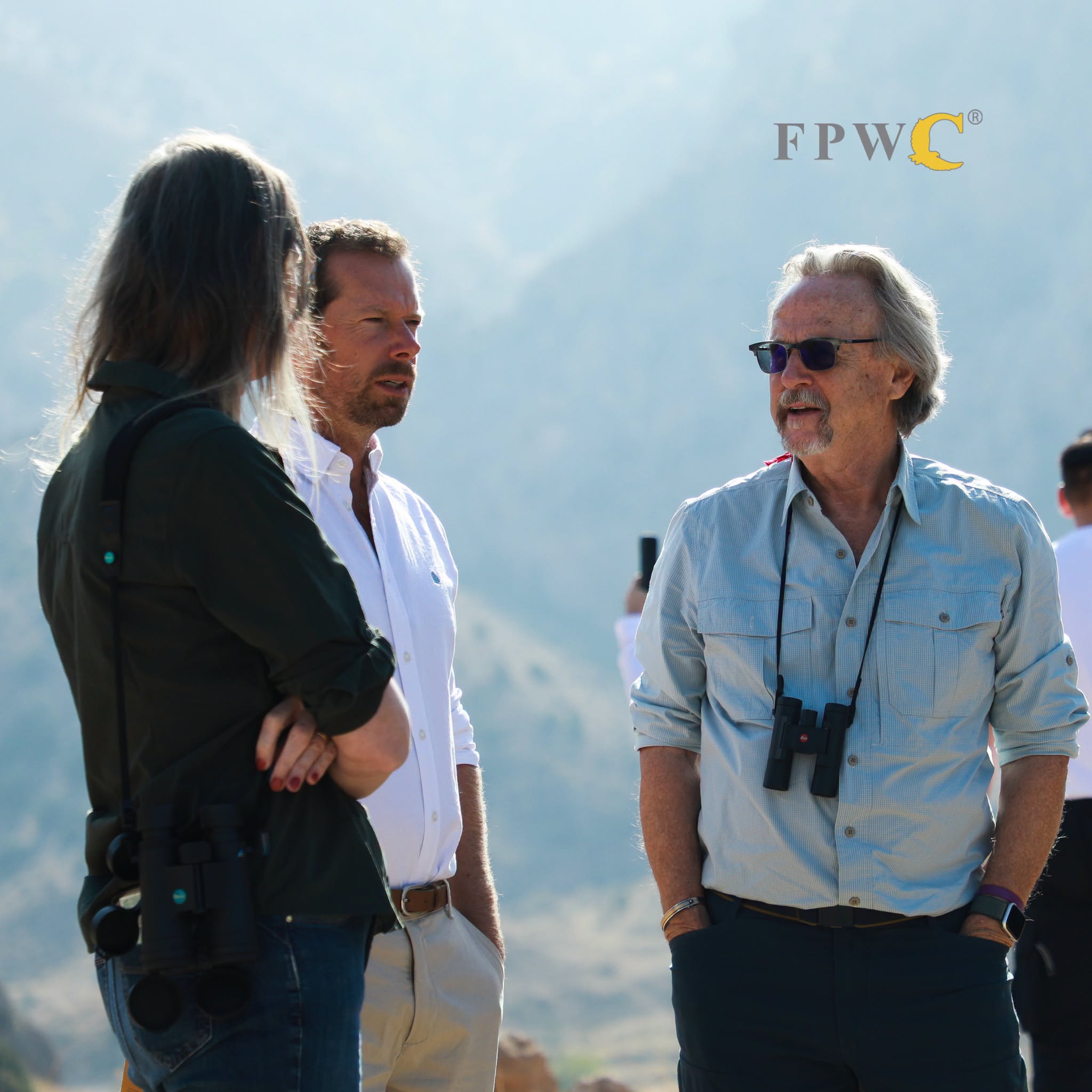
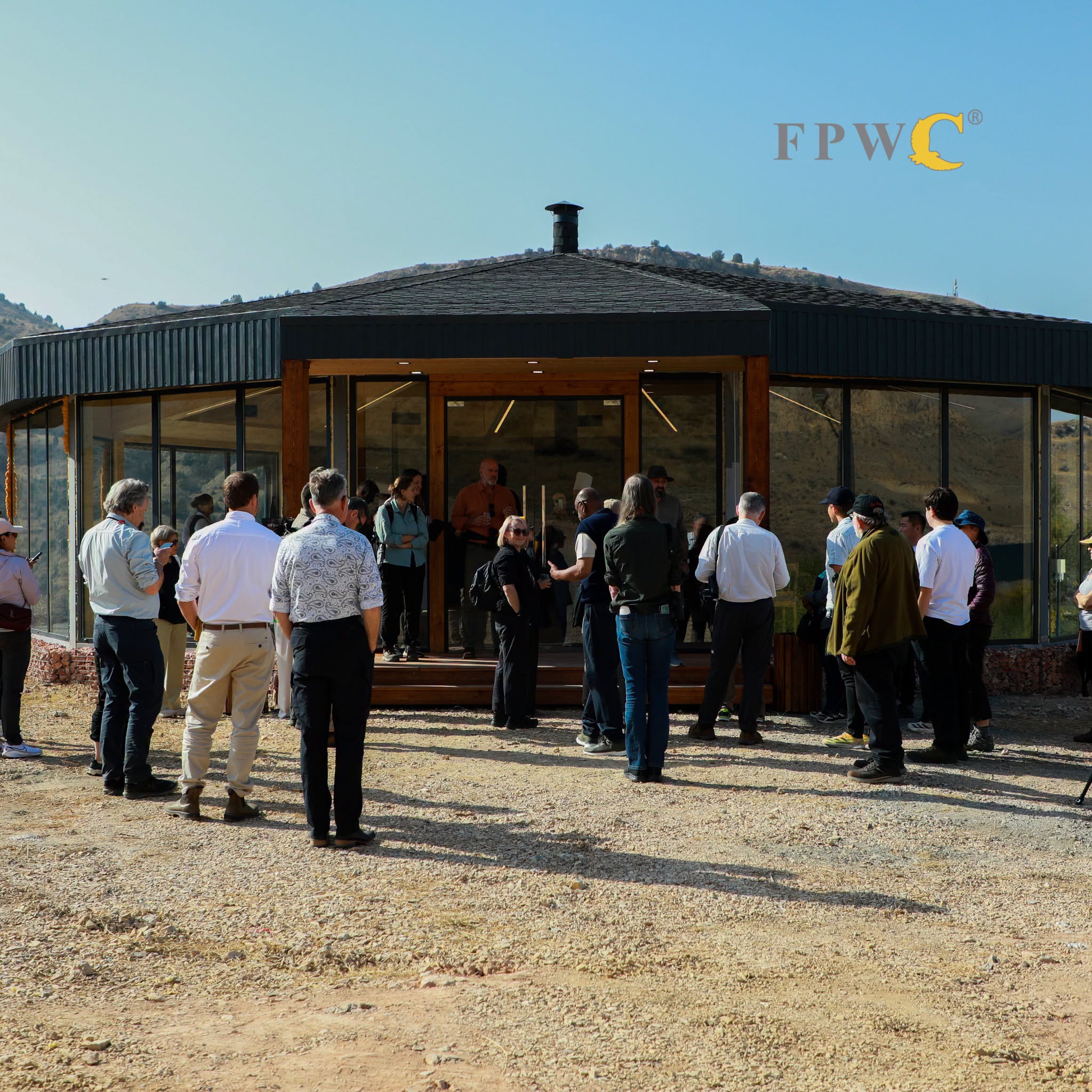
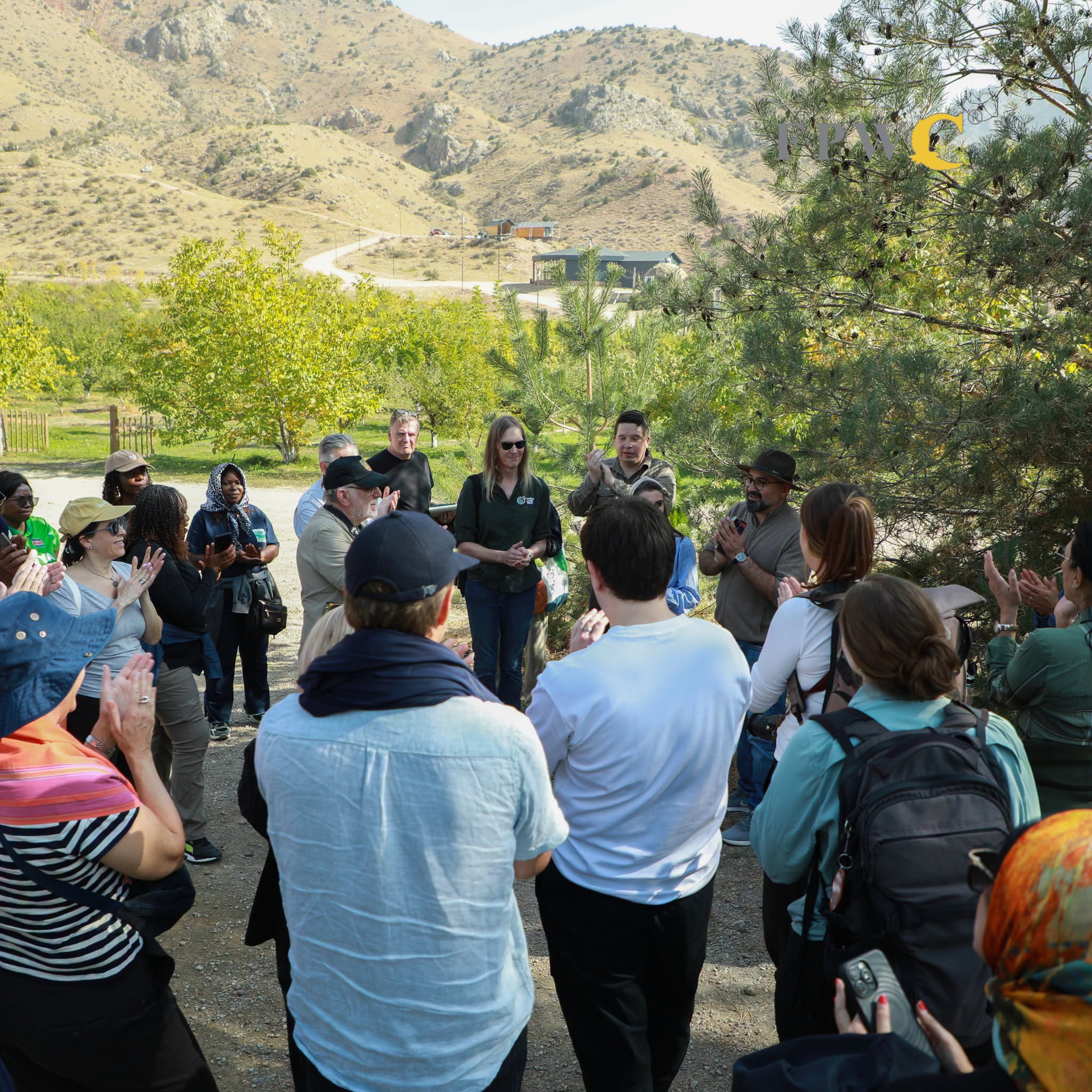
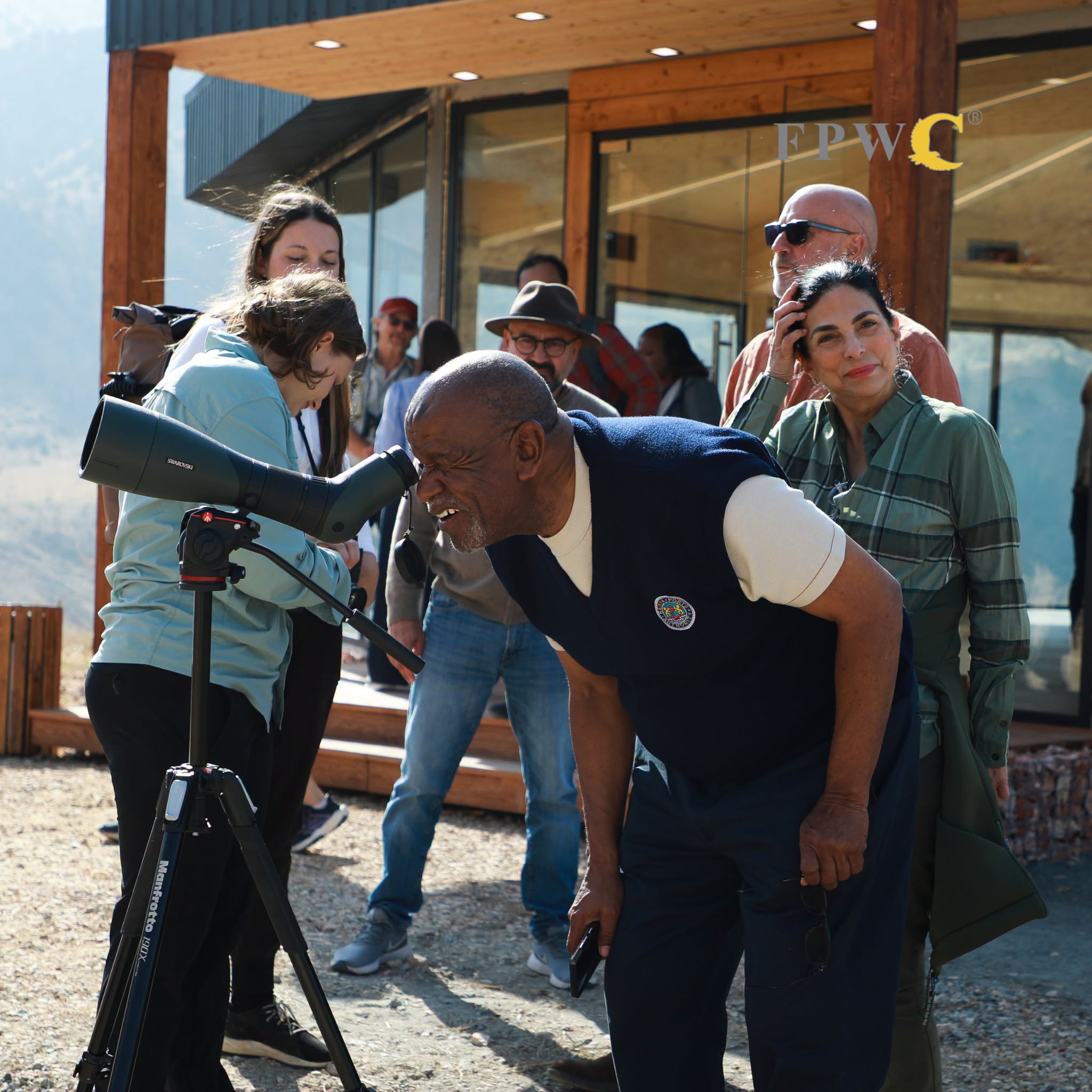
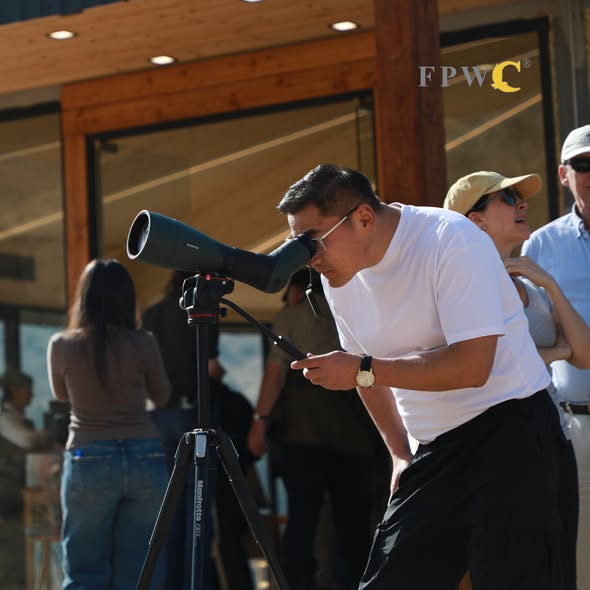
Within the framework of the 17th Conference of the Parties to the UN Convention on Biological Diversity (CBD COP17), an international cross-party parliamentary delegation visited the Caucasus Wildlife Refuge (CWR) in Urtsadzor. During the visit, the guests were introduced to the successful conservation model of the Foundation for the Preservation of Wildlife and Cultural Assets (FPWC) and the key projects implemented in the region.
The Caucasus Wildlife Refuge is the first and largest privately protected area initiative in the South Caucasus. Delegation members were briefed on the unique establishment of the CWR, which has expanded from 500 hectares launched in 2010 to over 35,000 hectares today.
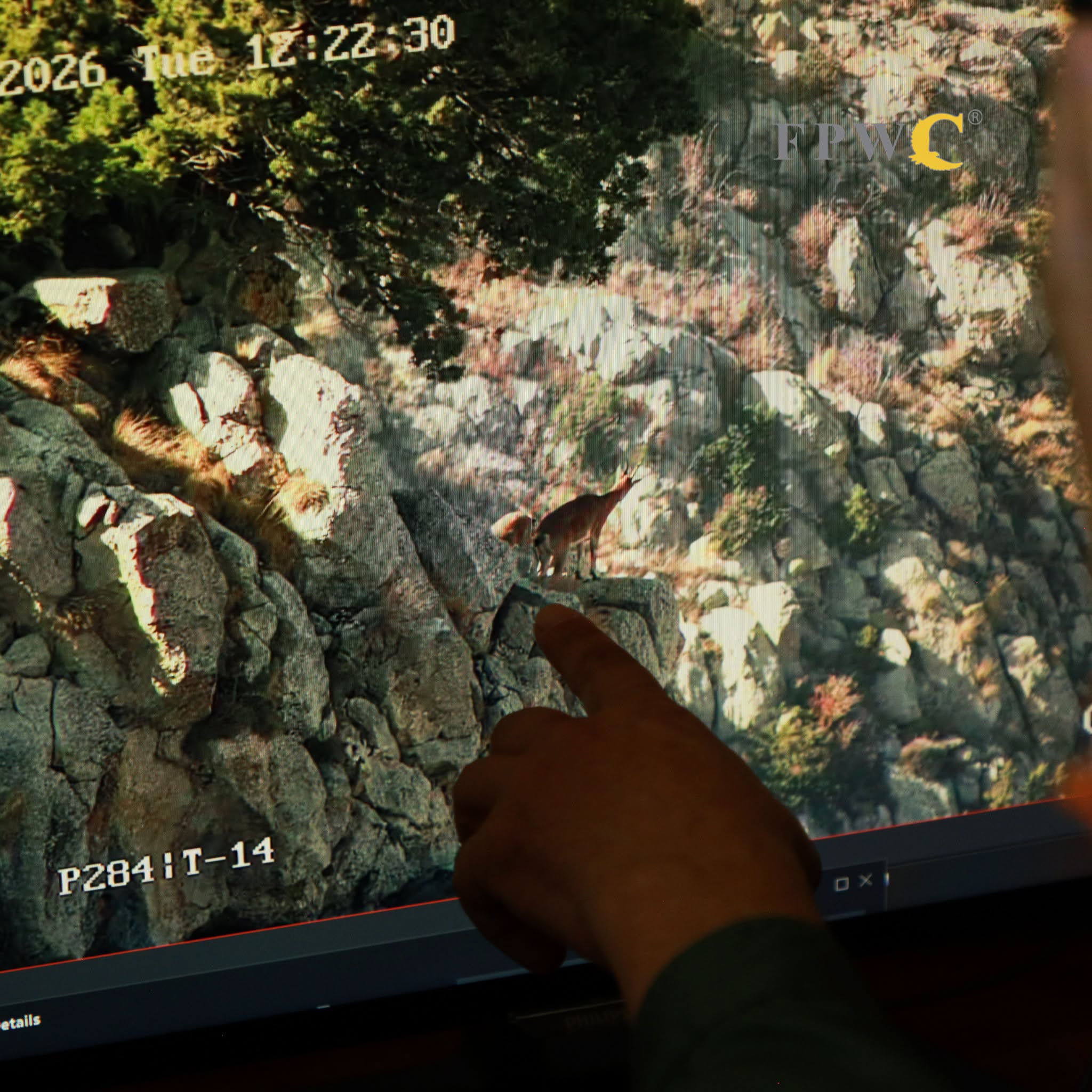
The guests learned about the impressive achievements recorded over the years, demonstrating high conservation effectiveness: thanks to ranger services, modern technology, and community engagement, populations of Red Book species of the region, including the Caucasian leopard, Armenian mouflon, Bezoar goat, and Syrian brown bear, have been restored in the area.
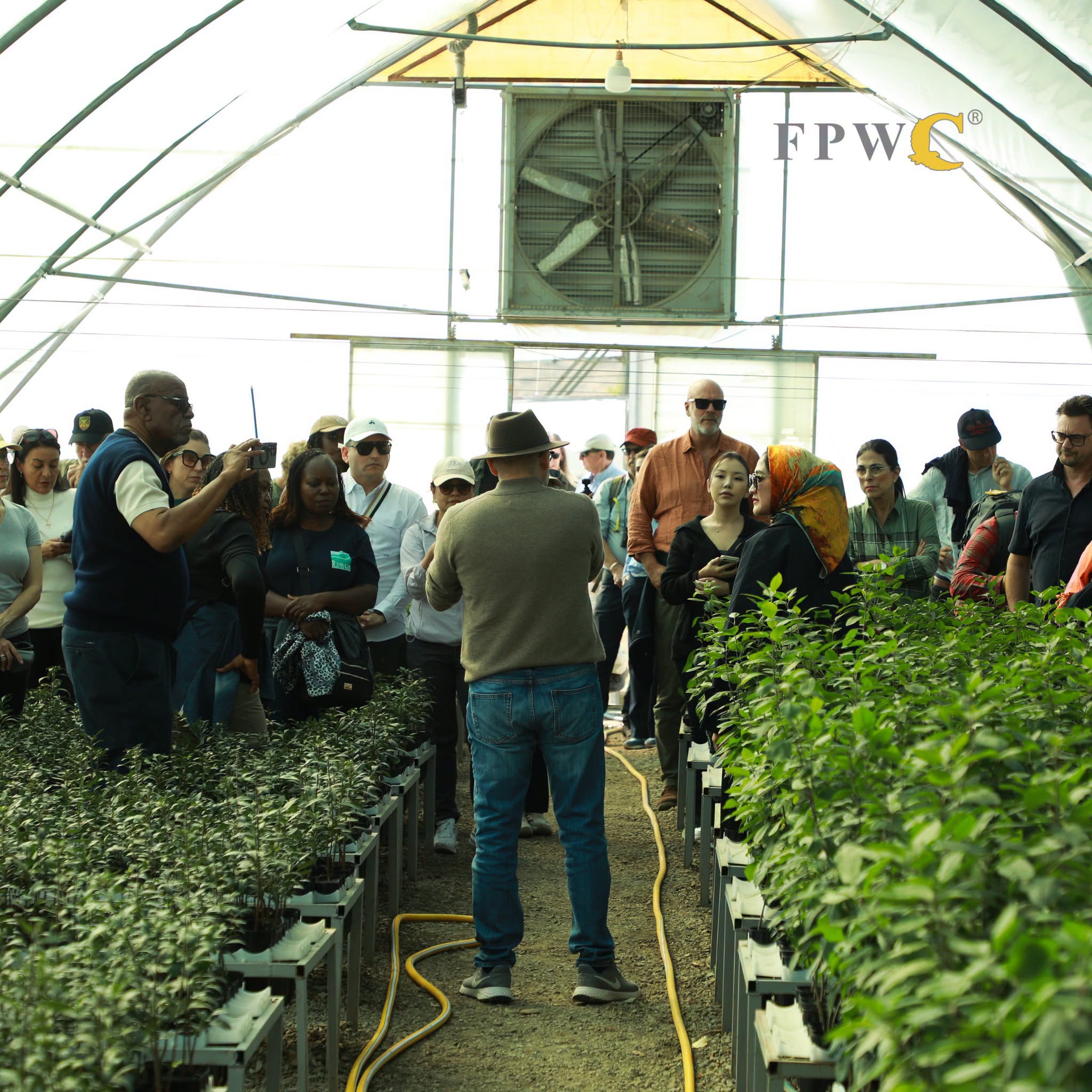
One of the key highlights of the visit was learning about FPWC’s forest restoration program. The parliamentarians toured the nursery greenhouse for growing native tree species, where species characteristic of the region’s ecosystems are cultivated.
The delegation was presented with the methodology for planting and caring for native trees, as well as climate-resilient forest restoration approaches aimed at restoring degraded landscapes and soil carbon sequestration.
The delegation also visited the Wildlife Rescue Center (WRC), where they observed firsthand the treatment, care, and rehabilitation process of Syrian brown bears rescued from captivity.
FPWC specialists presented the outcomes of the "Great Bear Rescue" initiative: since 2017, the center has rescued and rehabilitated over 50 bears kept in captivity or under unsuitable conditions. The parliamentarians highly praised the professional capacities of the center, as well as FPWC's model of legislative reform and cooperation with state bodies to prevent the illegal possession and trade of wild animals.
Members of the international delegation shared their impressions of CWR's field operations, technical capacity, and community-based conservation, emphasizing that FPWC's experience serves as a prime example of how civil society initiatives can deliver effective landscape-scale conservation, contributing to the realization of Target 3 (30x30) of the Kunming-Montreal Global Biodiversity Framework.