

Published on 30/10/2026
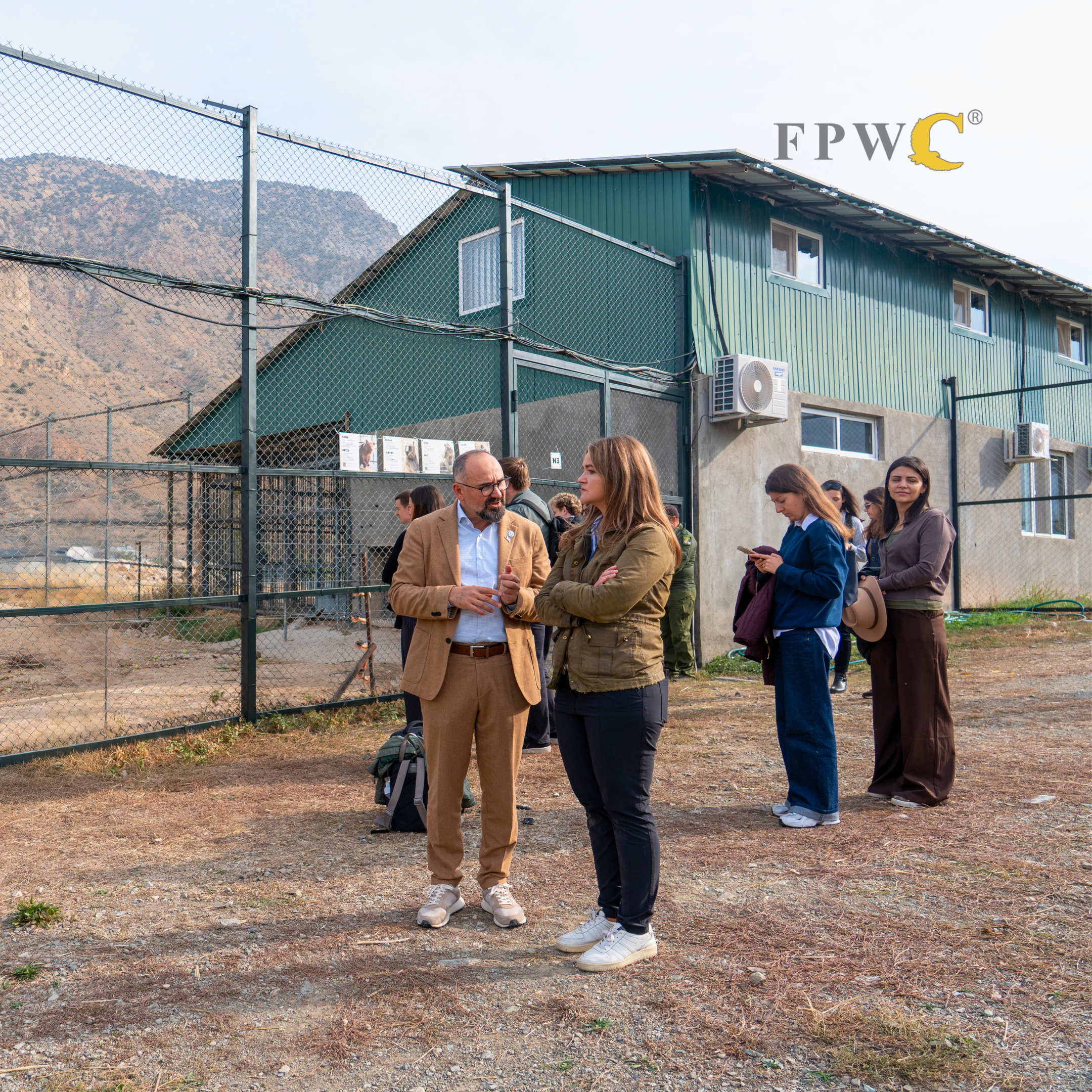
During the 17th Conference of the Parties to the UN Convention on Biological Diversity (CBD COP17), the Foundation for the Preservation of Wildlife and Cultural Assets (FPWC) hosted a high-level delegation from the Government of the United Kingdom, led by Jenny Riddell-Carpenter, Minister at the UK Department for Environment, Food and Rural Affairs (Defra). The delegation included leading UK environmental officials and experts, including Ruth Davis, UK Special Representative for Nature; Professor Anjali Goswami, Defra Chief Scientific Adviser; Andrea Ledward, Defra Director for International Biodiversity and Climate; Patrick Greenfield, leading environmental journalist at The Guardian; as well as senior representatives and policy experts from Defra and the UK Foreign, Commonwealth & Development Office (FCDO).
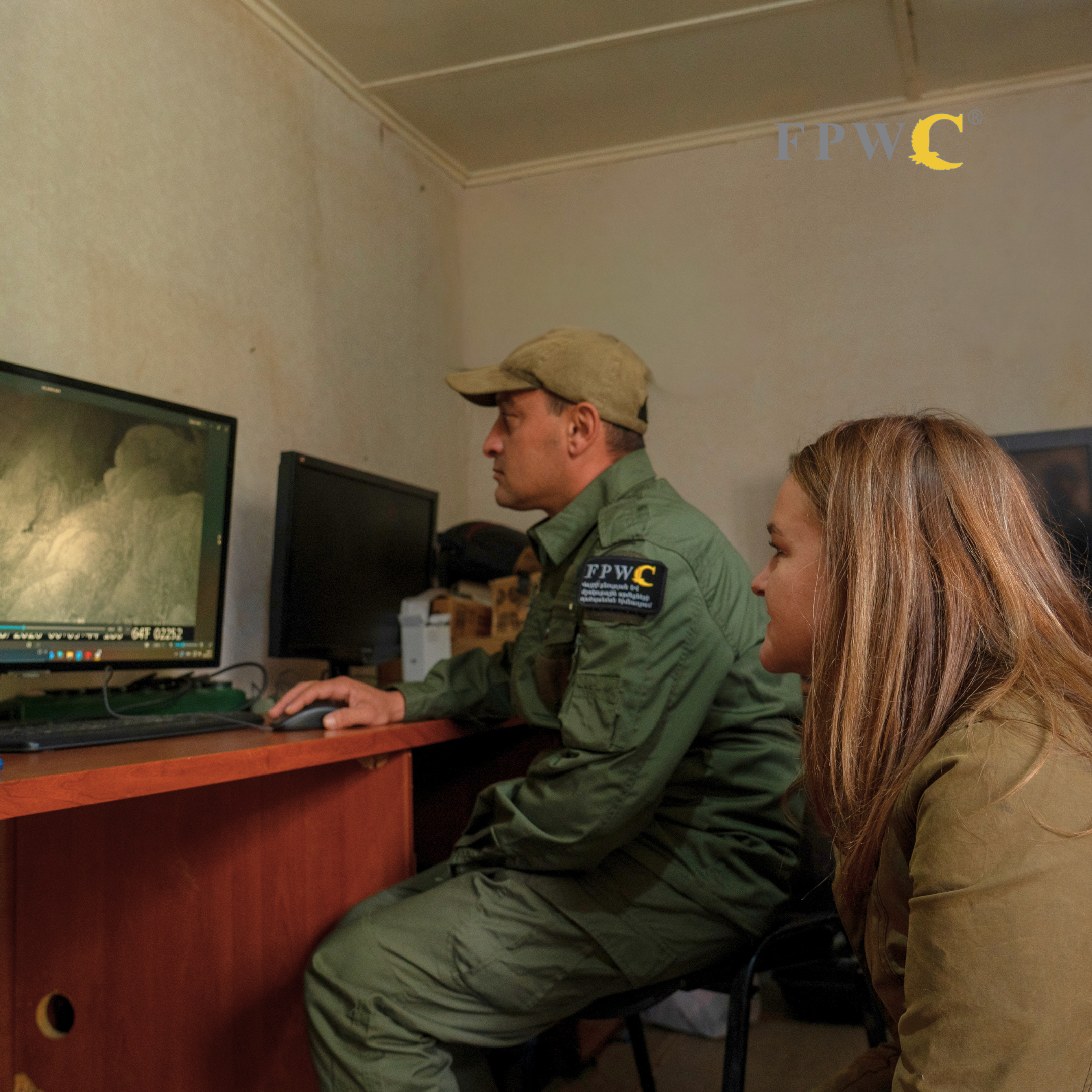
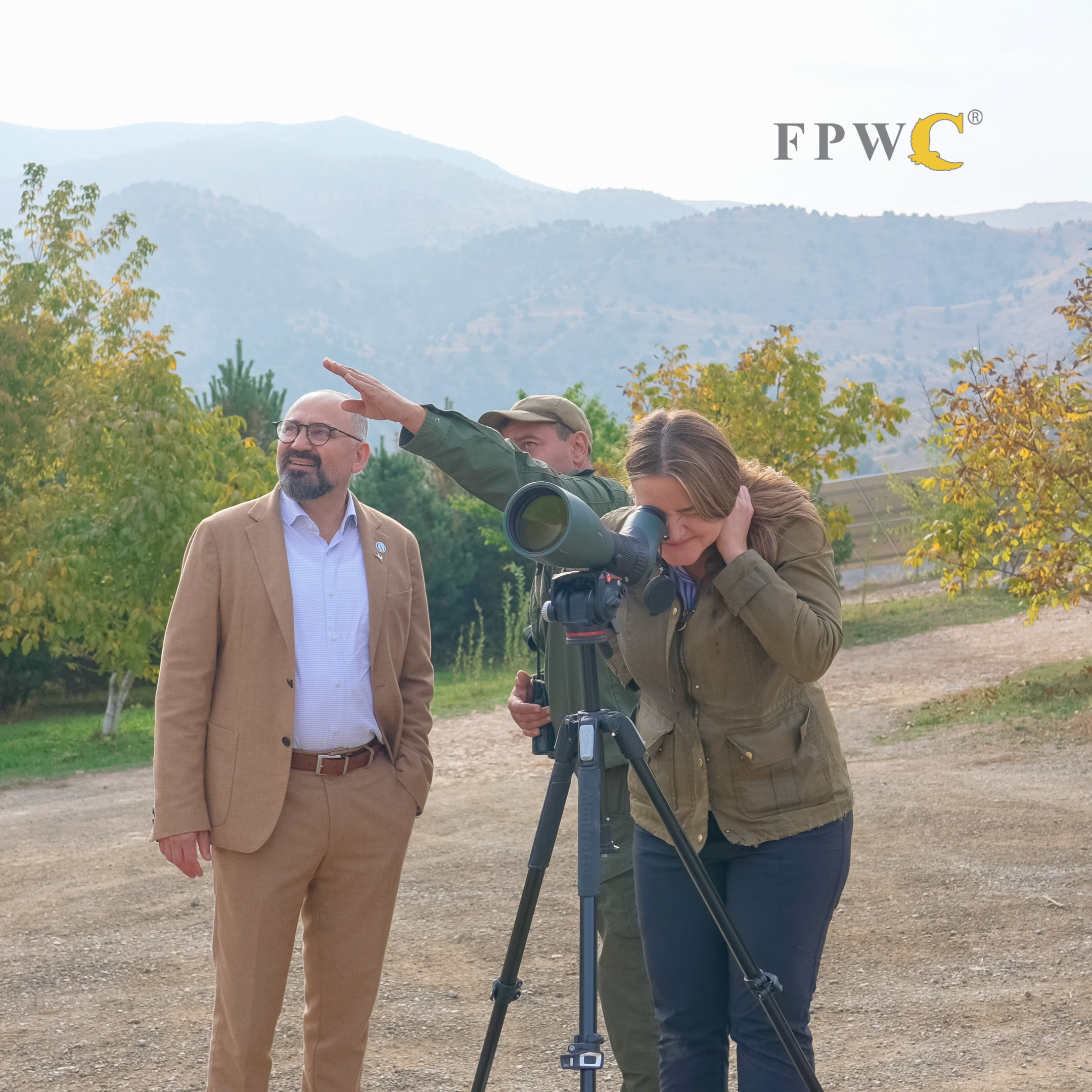
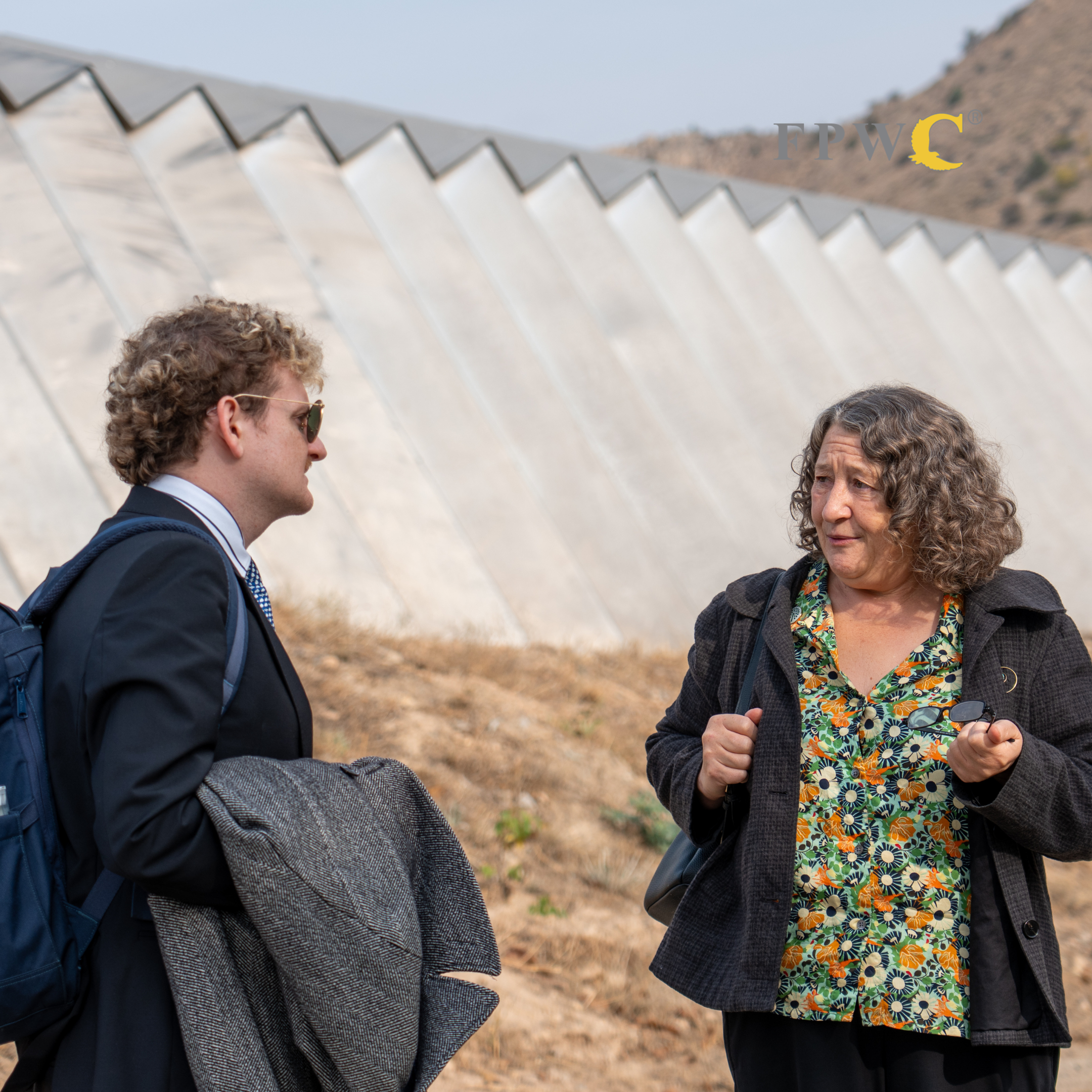
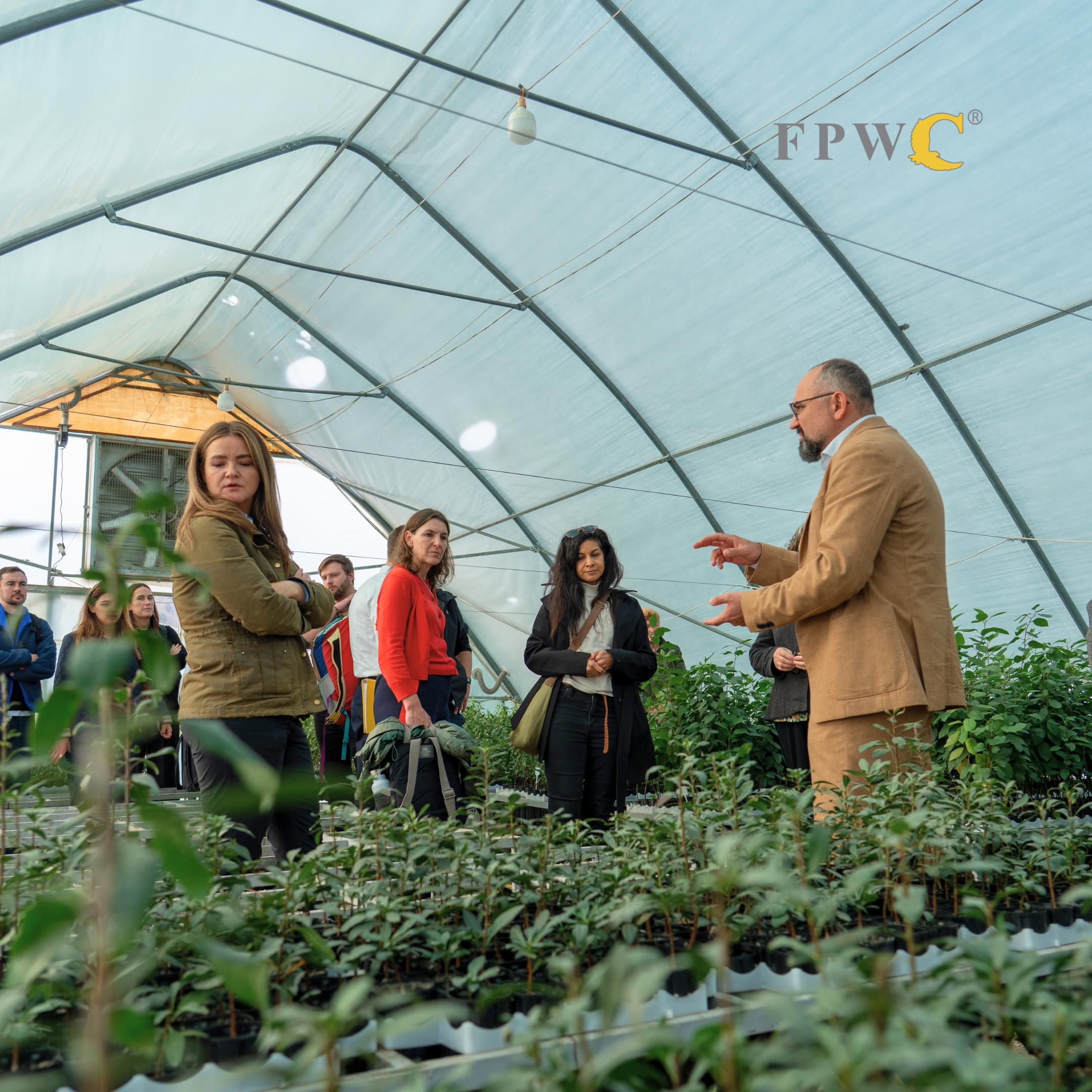
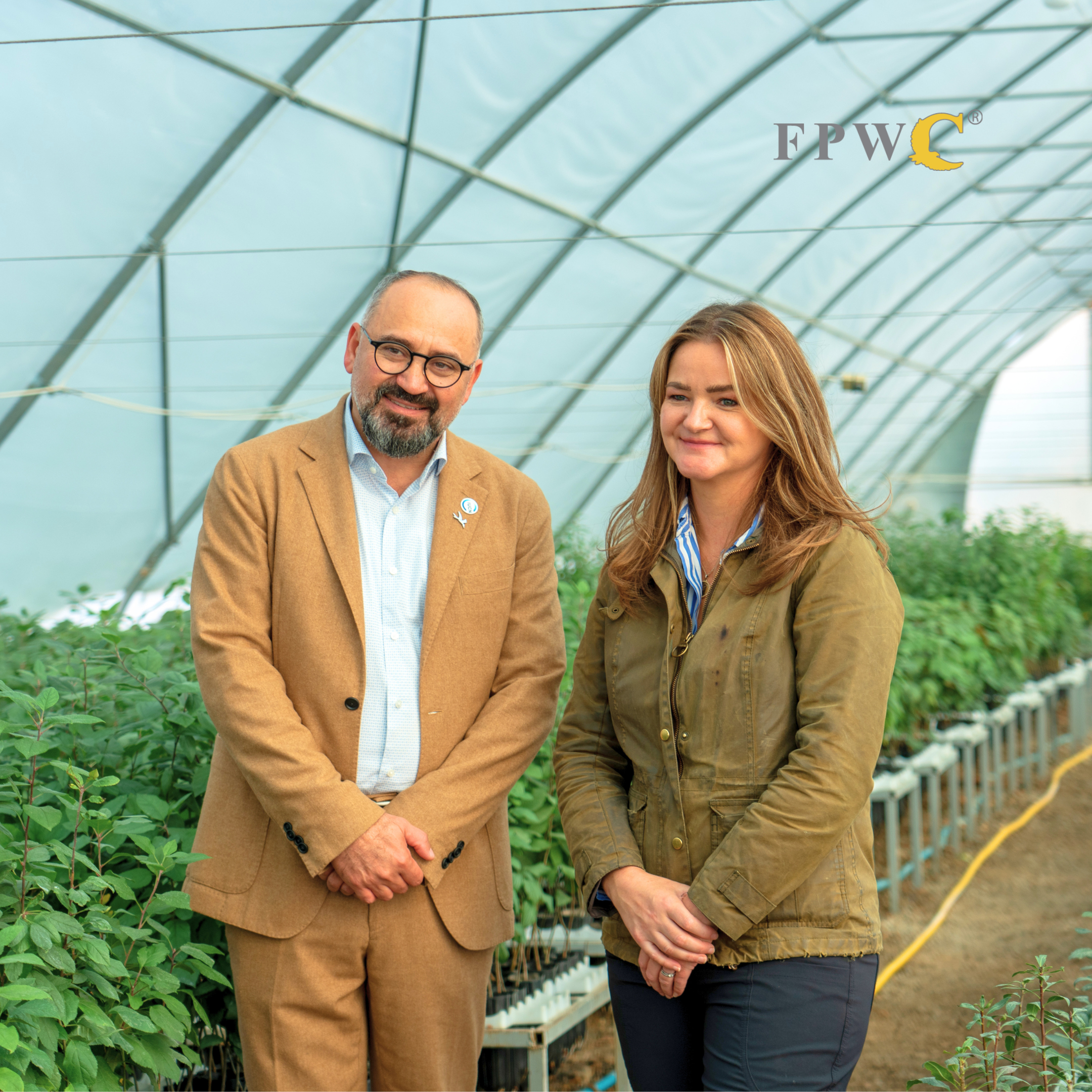
Within the framework of the visit, the guests toured the Caucasus Wildlife Refuge (CWR), where they familiarized themselves on the ground with FPWC’s management model for the 35,000-hectare Privately Protected Area (PPA), as well as conservation programs for the Caucasian leopard and other rare species. The delegation also visited the Foundation’s nursery and greenhouse complex, learning about FPWC’s strategic initiatives aimed at cultivating native tree species and the ecosystem restoration of forests and degraded landscapes.
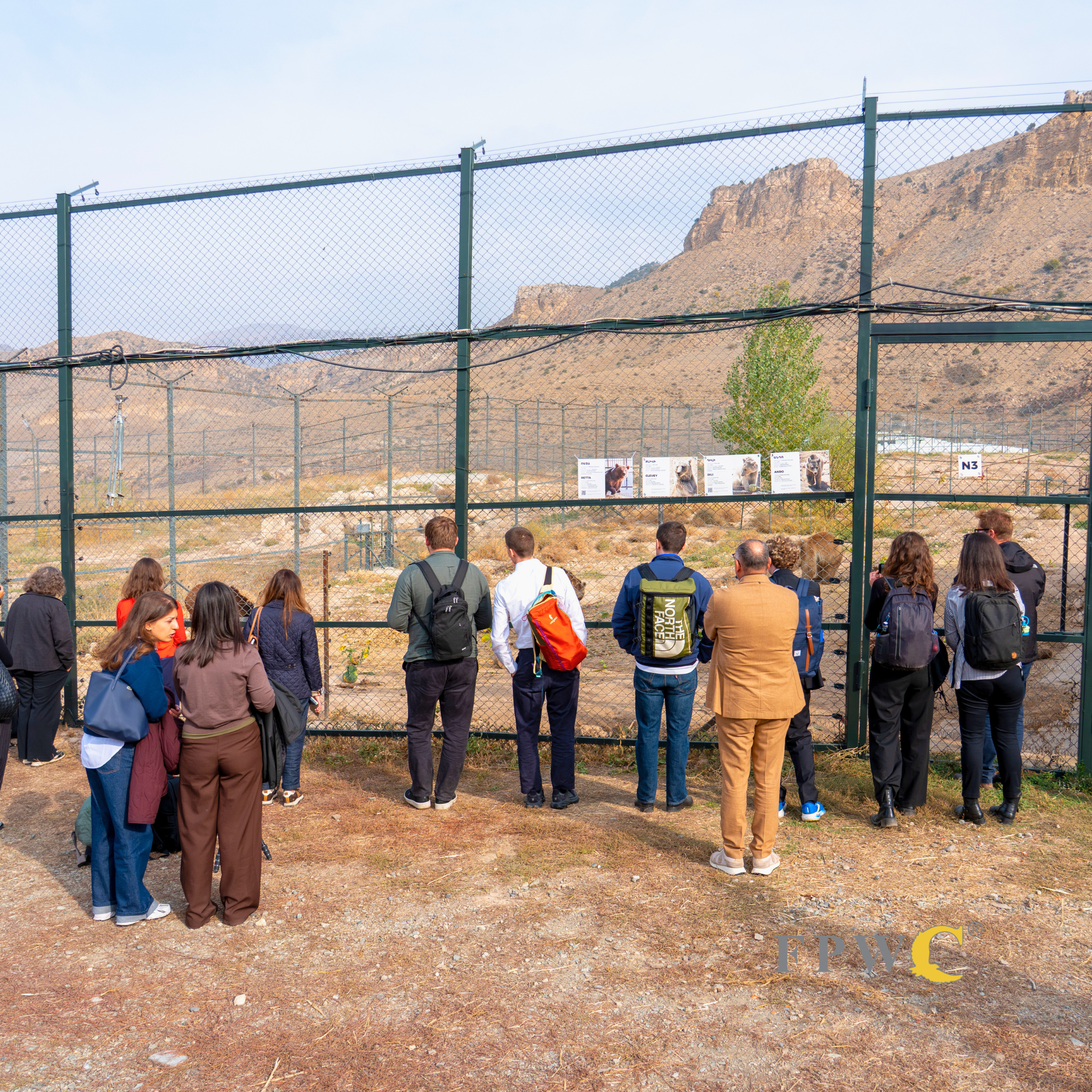
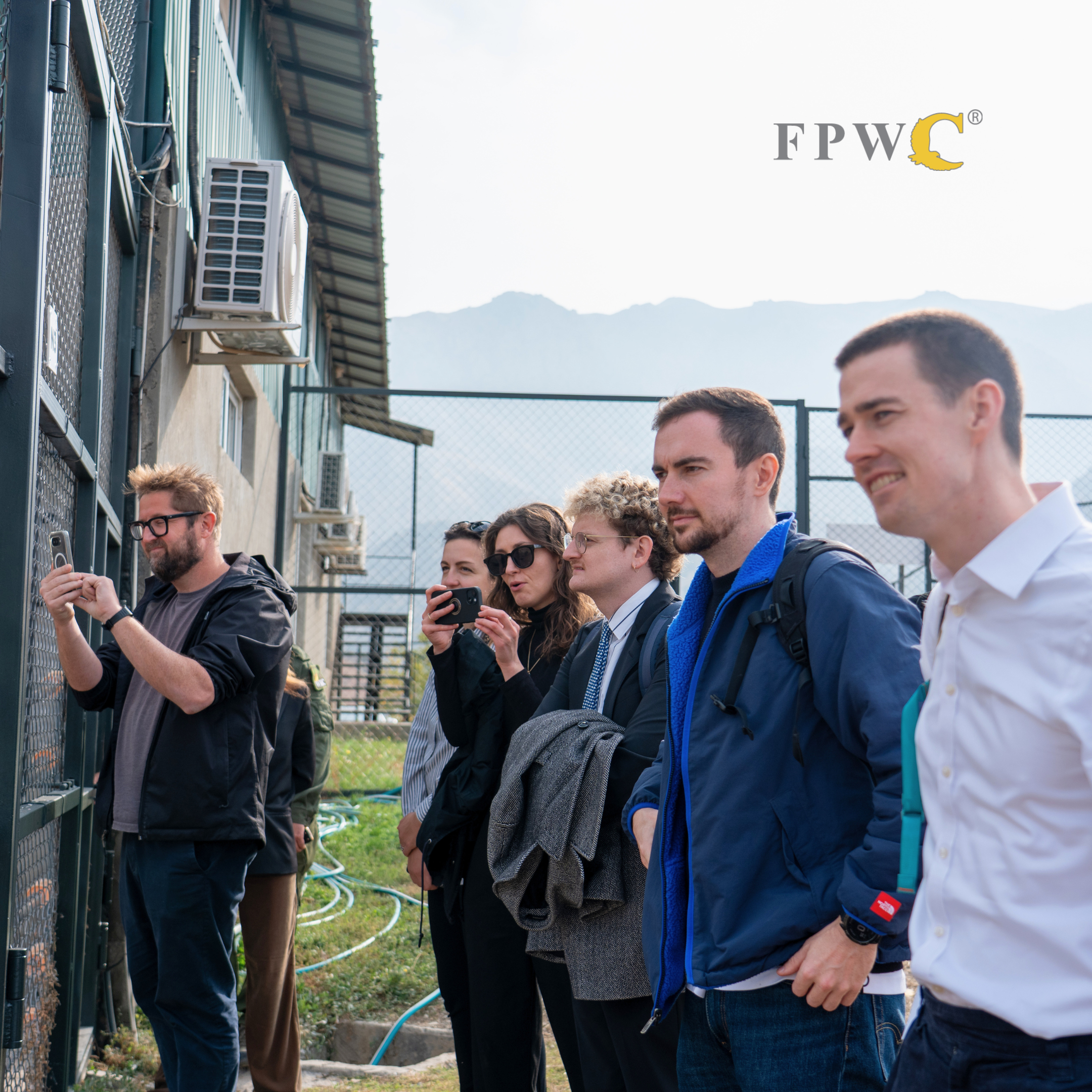
A key stop on the itinerary was the Wildlife Rescue Center (WRC), where the guests were introduced to FPWC’s methodology for wildlife rescue and rehabilitation, and the British delegation was presented with the stories of bears rescued from captivity and improper conditions. During the meeting, attention was also given to the Defra-funded project “Mitigating Escalating Climate-Driven Human-Wildlife Conflict in Armenia,” implemented through the Darwin Initiative, showcasing FPWC’s extensive efforts aimed at mitigating and preventing human-bear conflict.
The visit of the high-level UK delegation to FPWC’s facilities once again underscores the international recognition of the Foundation’s conservation model and its role in advancing the goals of the Kunming-Montreal Global Biodiversity Framework (KMGBF).