
Published on 24/10/2026
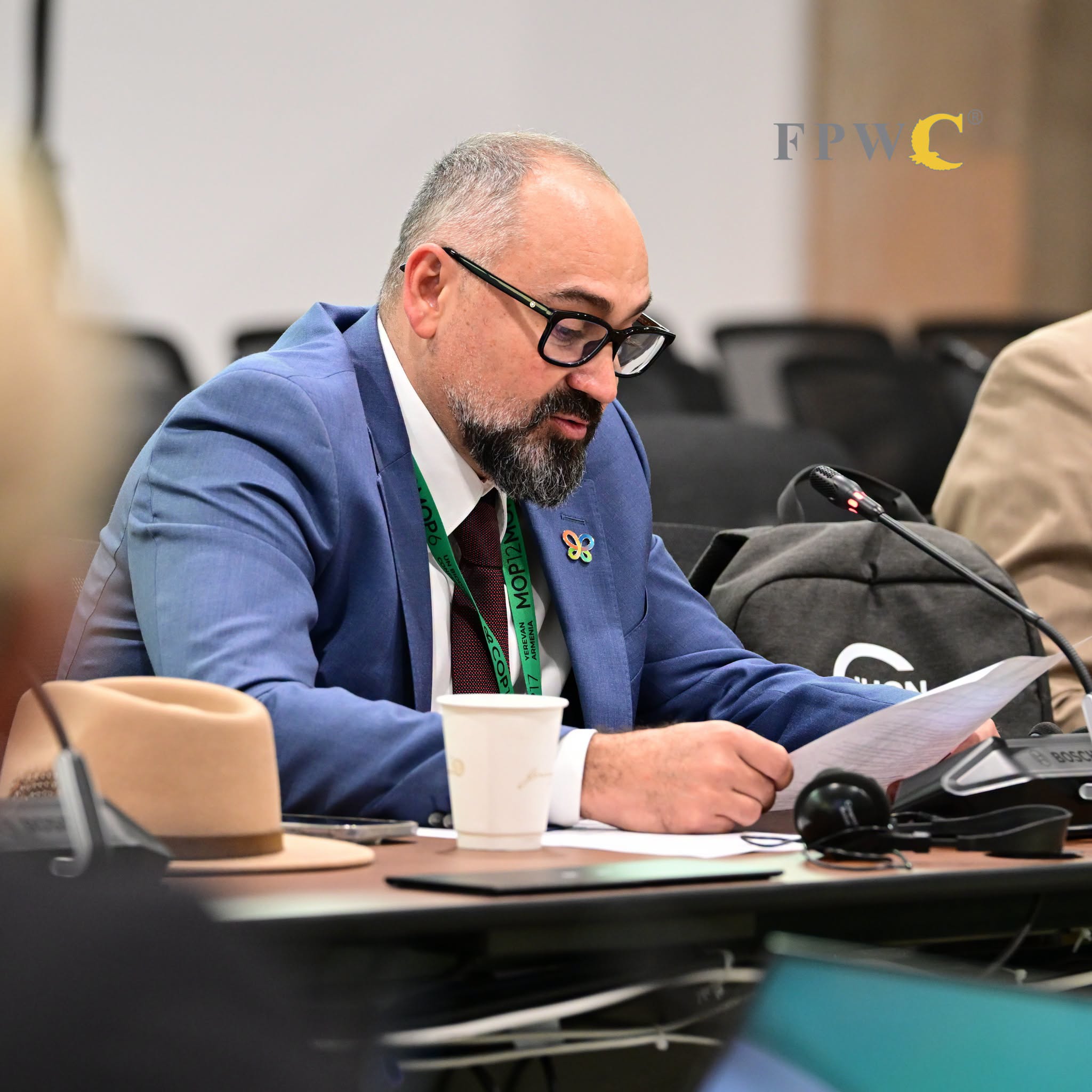
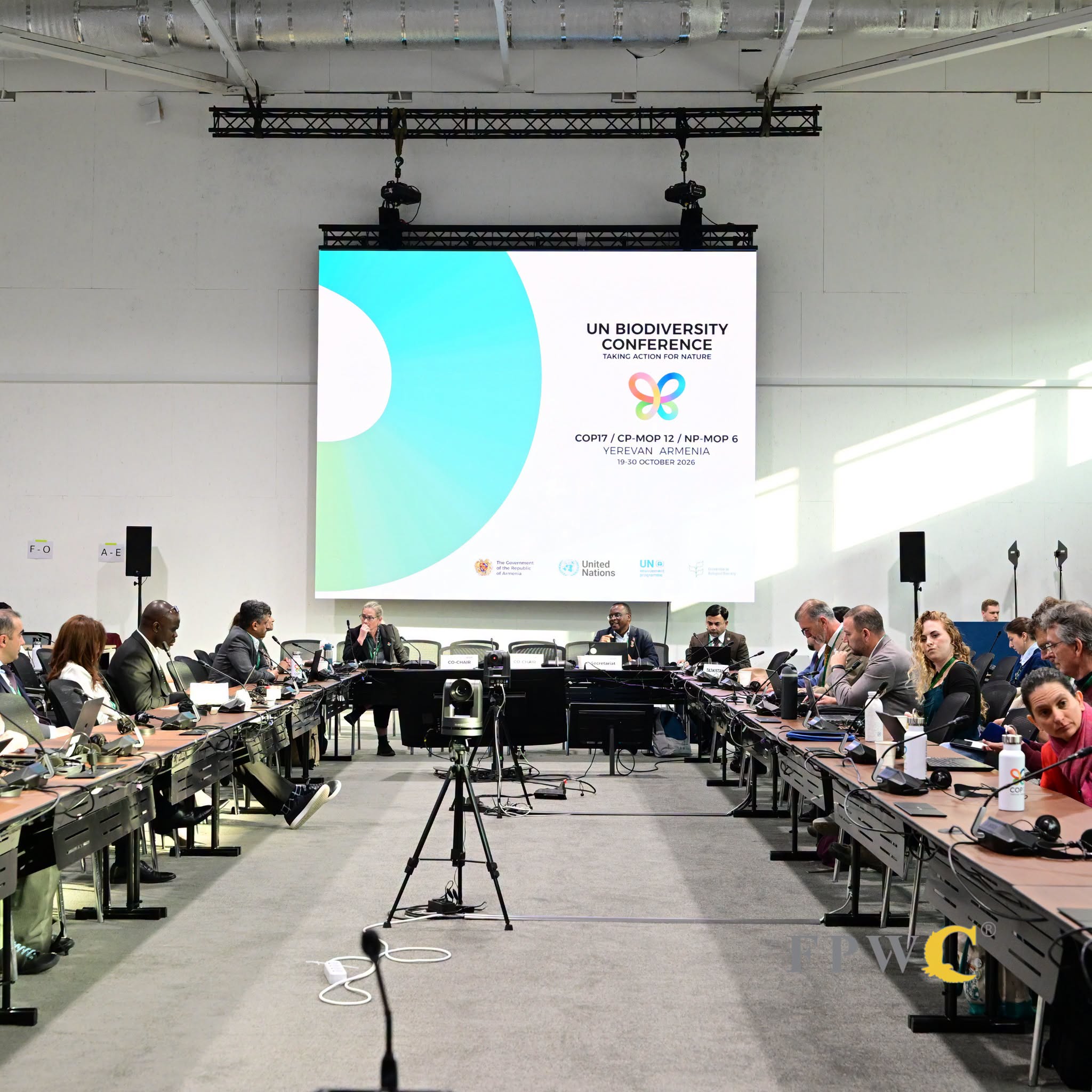
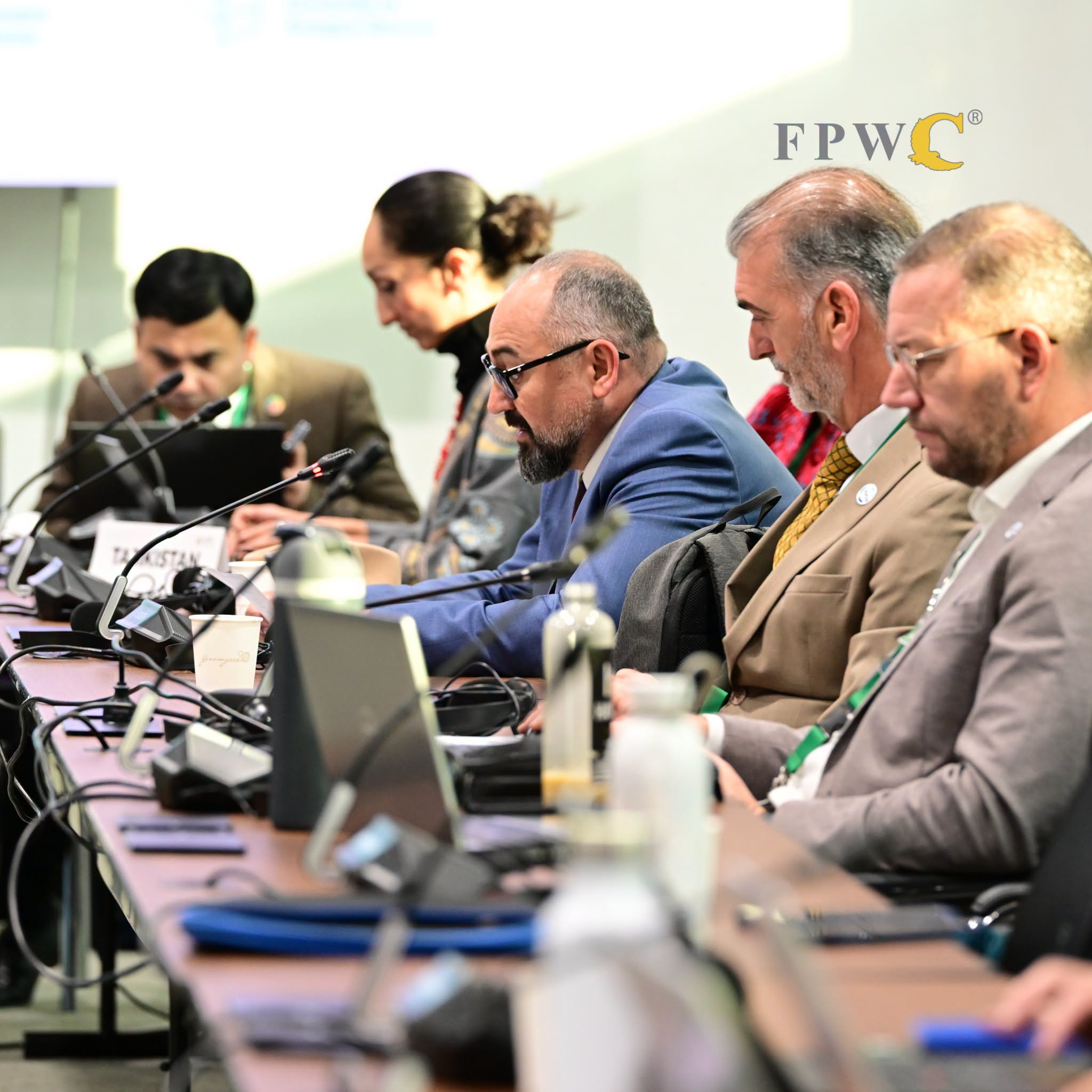
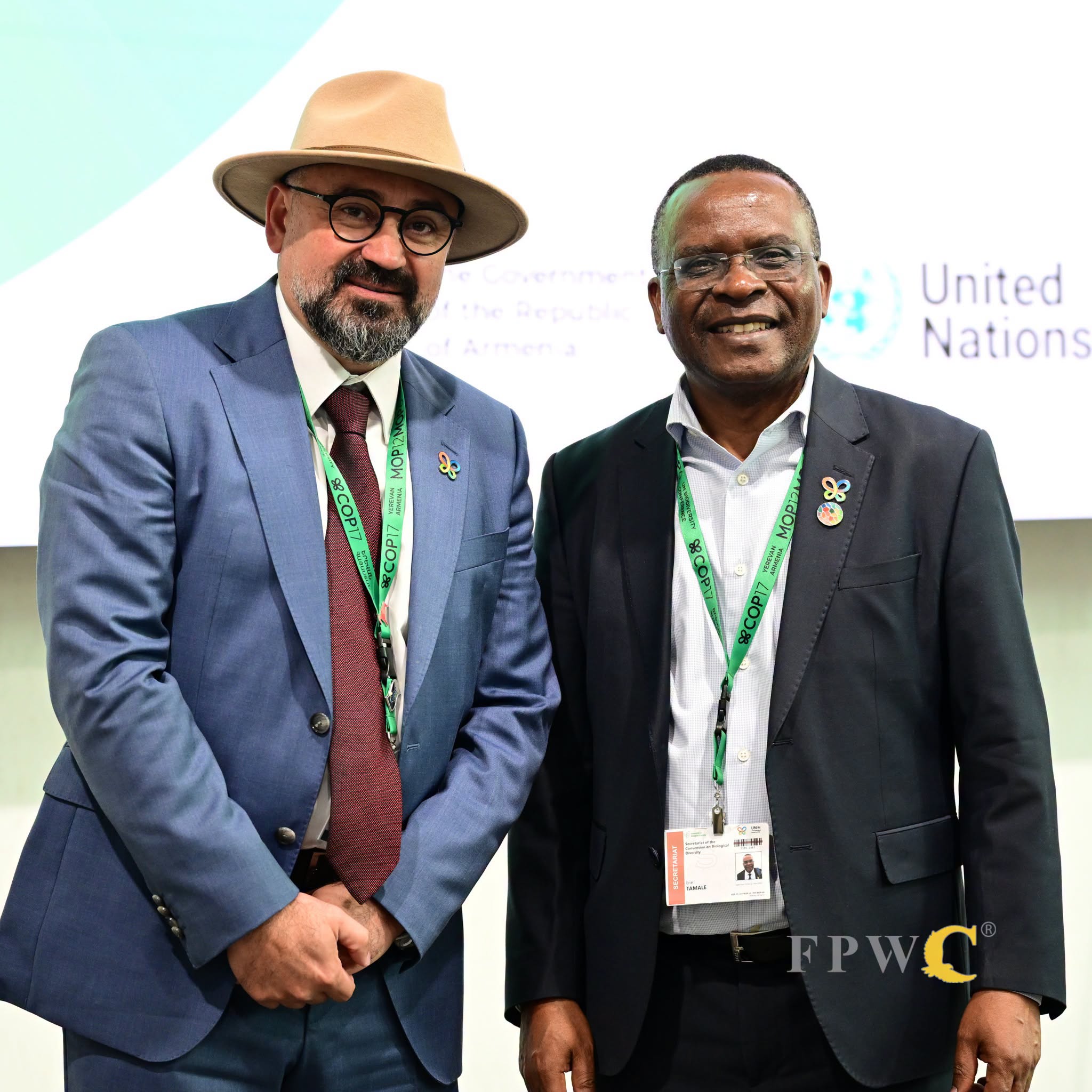
Within the framework of the 17th meeting of the Conference of the Parties to the Convention on Biological Diversity (COP17), Ruben Khachatryan, Founder and Director of the Foundation for the Preservation of Wildlife and Cultural Assets (FPWC), delivered a keynote address at the 2026 Biodiversity Capacity-Building and Development Forum. In his remarks, he addressed the core prerequisites for translating global environmental targets into tangible results, emphasizing that implementing the goals of the Kunming-Montreal Global Biodiversity Framework (KMGBF) first and foremost requires bridging the existing gap between national commitments made on paper and real outcomes on the ground.
Inclusivity in developing and executing national environmental policy is decisive in closing this gap. Ruben Khachatryan stressed that National Biodiversity Strategies and Action Plans (NBSAPs) must not remain merely governmental documents; to achieve real effectiveness, non-governmental organizations, scientific institutions, and local communities must be fully engaged from the very initial stages of planning, implementation, and monitoring.
Practical proof of the institutional capacity and expertise of non-state actors lies in the 16-year track record of the Caucasus Wildlife Refuge (CWR) and its over 30,000 hectares of protected territory. This long-standing experience demonstrates that civil society and community structures possess substantial resources and specialized knowledge to help achieve key targets of the Kunming-Montreal Global Biodiversity Framework—specifically Targets 2, 3, 4, 10, and 20.
Concluding his address, the FPWC Director underscored the need for a systemic rethinking of funding and governance approaches, highlighting that effective nature conservation requires moving away from short-term grant-driven logic and transitioning toward long-term, predictable financing and sustainable institutional frameworks.