

Published on 23/10/2026
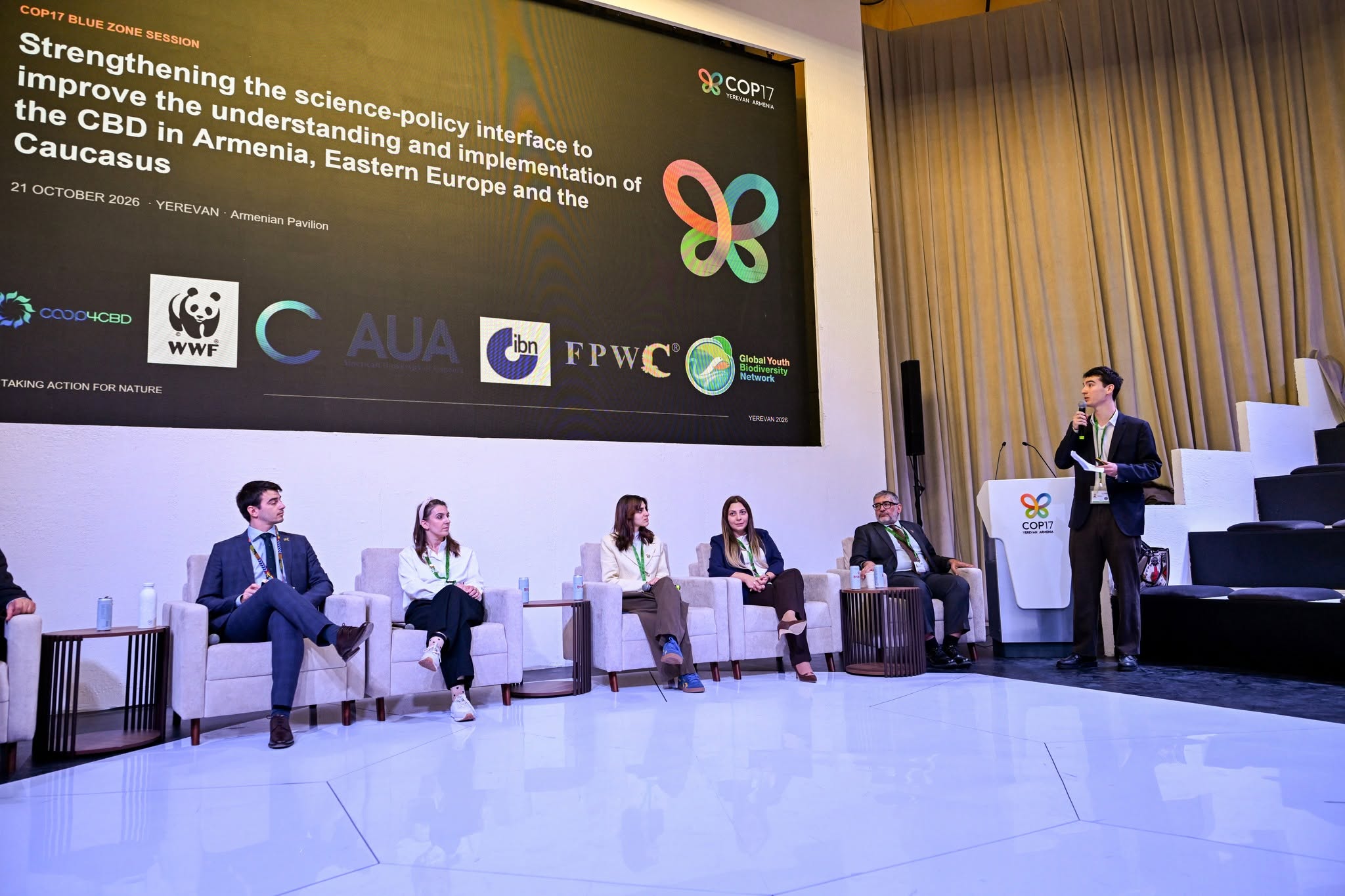
Good science is essential, yet it delivers real outcomes only when it informs policy decisions. This core principle was at the heart of the discussion held on October 21 within the framework of COP17, titled “Strengthening the Science-Policy Interface to Improve the Understanding and Implementation of the CBD in Armenia, Eastern Europe and the Caucasus.” The event was co-hosted by CO-OP4CBD, the AUA Acopian Center for the Environment, WWF Armenia, the International Union for Conservation of Nature (IUCN), IbN, the Foundation for the Preservation of Wildlife and Cultural Assets (FPWC), and the Global Youth Biodiversity Network (GYBN).
During the discussion, IUCN representative Tommaso Demozzi highlighted three primary ways through which the Union helps bridge the gap between scientific knowledge and practical action. The first pillar is providing robust scientific evidence: from the IUCN Red List of Threatened Species to the newly launched IUCN Global Standard for Effective and Equitable Protected and Conserved Areas, the organization supplies the evidence, tools, and standards that guide conservation decisions. At the same time, it was emphasized that science requires sustained investment, and scientists must be directly involved in policy conversations if research is to translate into tangible action.
The second key direction is supporting the shaping of environmental policy. IUCN works across countries and regions to help implement global biodiversity commitments. This work includes support provided through the United Nations Biodiversity Technical and Scientific Cooperation Support Centres, as well as advancing nature conservation in the Western Balkans through the coordination of the Nature and Biodiversity Pillar of the Green Agenda for the Western Balkans, alongside the recently endorsed Western Balkans Six Biodiversity Strategic Plan 2030 and the Forest Landscape Restoration Plan.
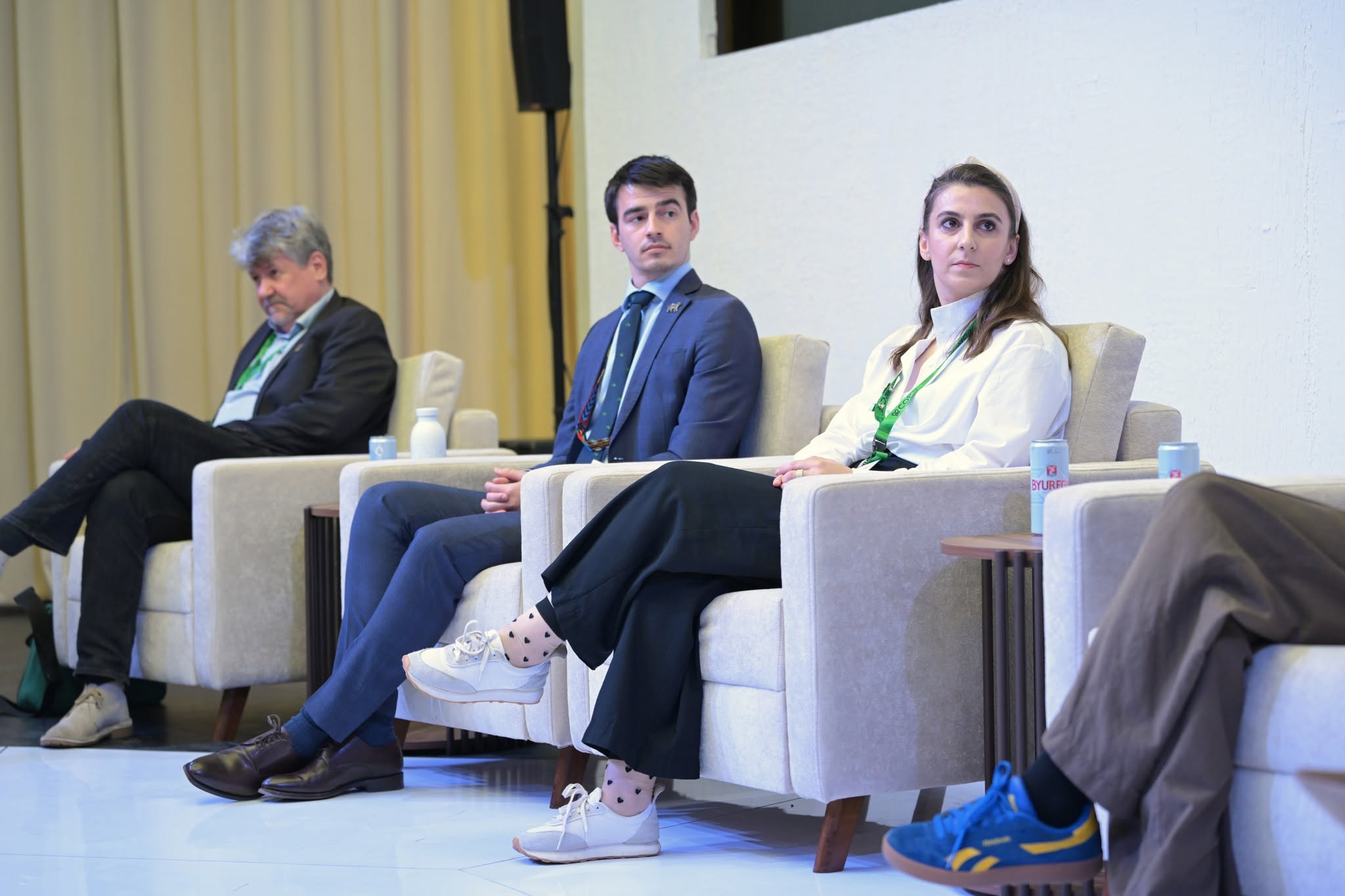
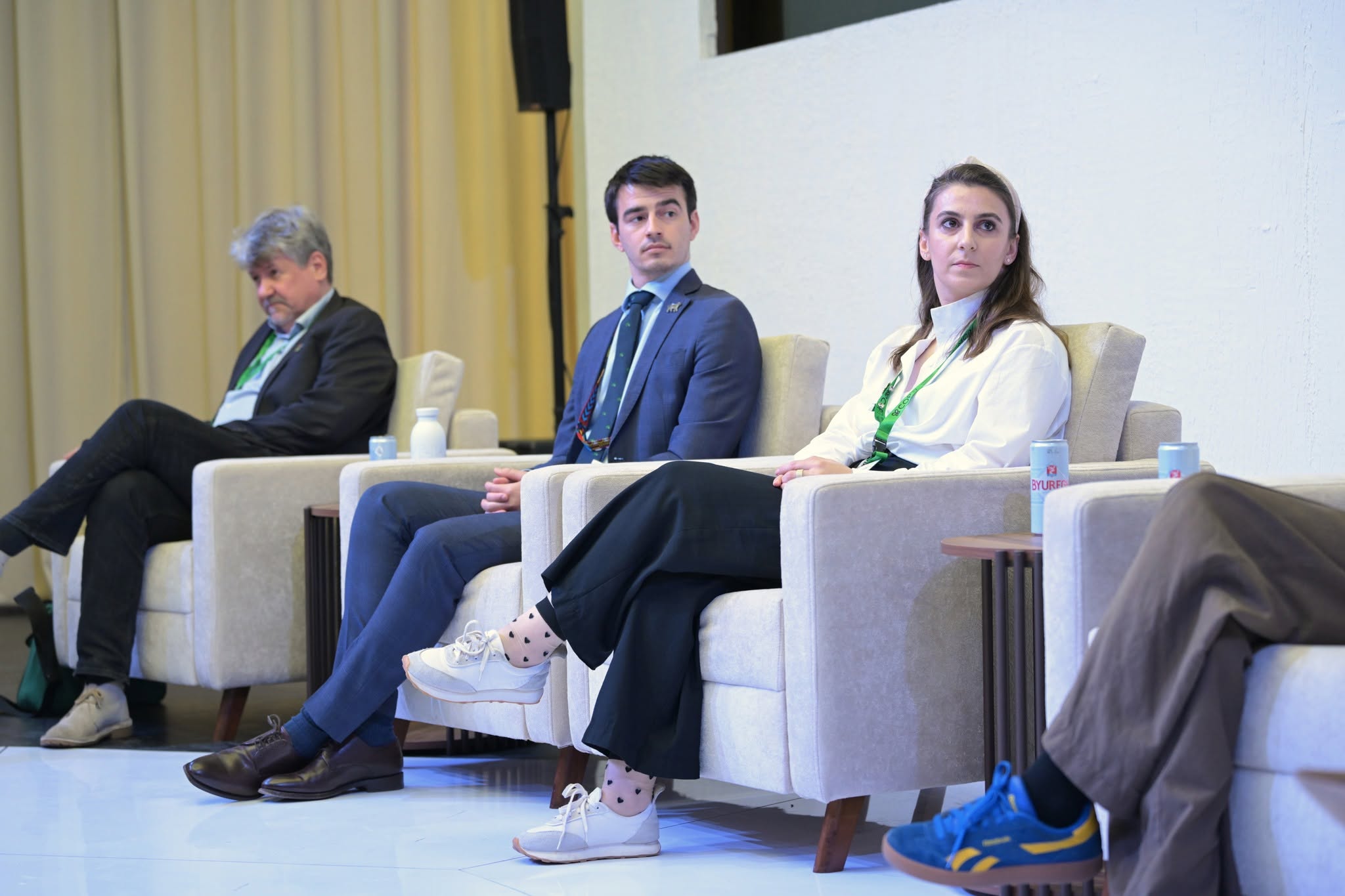
The third essential component is bringing people and institutions together, as effective biodiversity policy depends on the actors who shape and implement it. The event and the composition of the panelists reflected the breadth of IUCN’s membership, uniting representatives of the Armenian government, civil society organizations, and the City of Yerevan. Through this collaboration, IUCN supports its members in strengthening nature conservation in Armenia and bringing their own experience and perspectives into the international conservation dialogue.