

Published on 17/11/2026
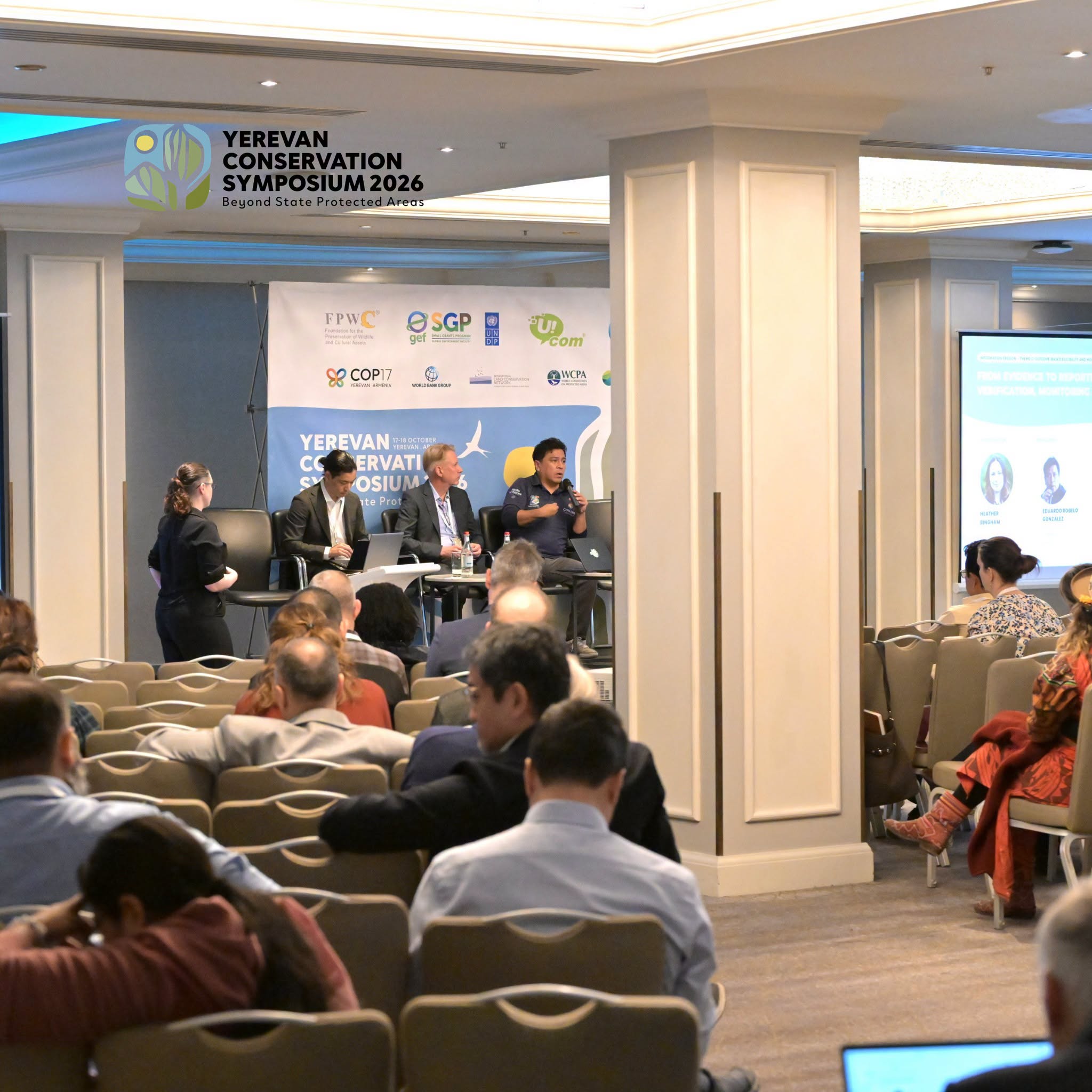
Ahead of the 17th meeting of the Conference of the Parties to the Convention on Biological Diversity (CBD COP17), a thematic panel discussion (Theme C) was held within the framework of the "Yerevan Conservation Symposium 2026" (YCS 2026), dedicated to one of the most pivotal questions in global conservation: how to ensure that protected areas and Other Effective Area-based Conservation Measures (OECMs) do not merely exist on paper, but deliver measurable and real ecological outcomes.
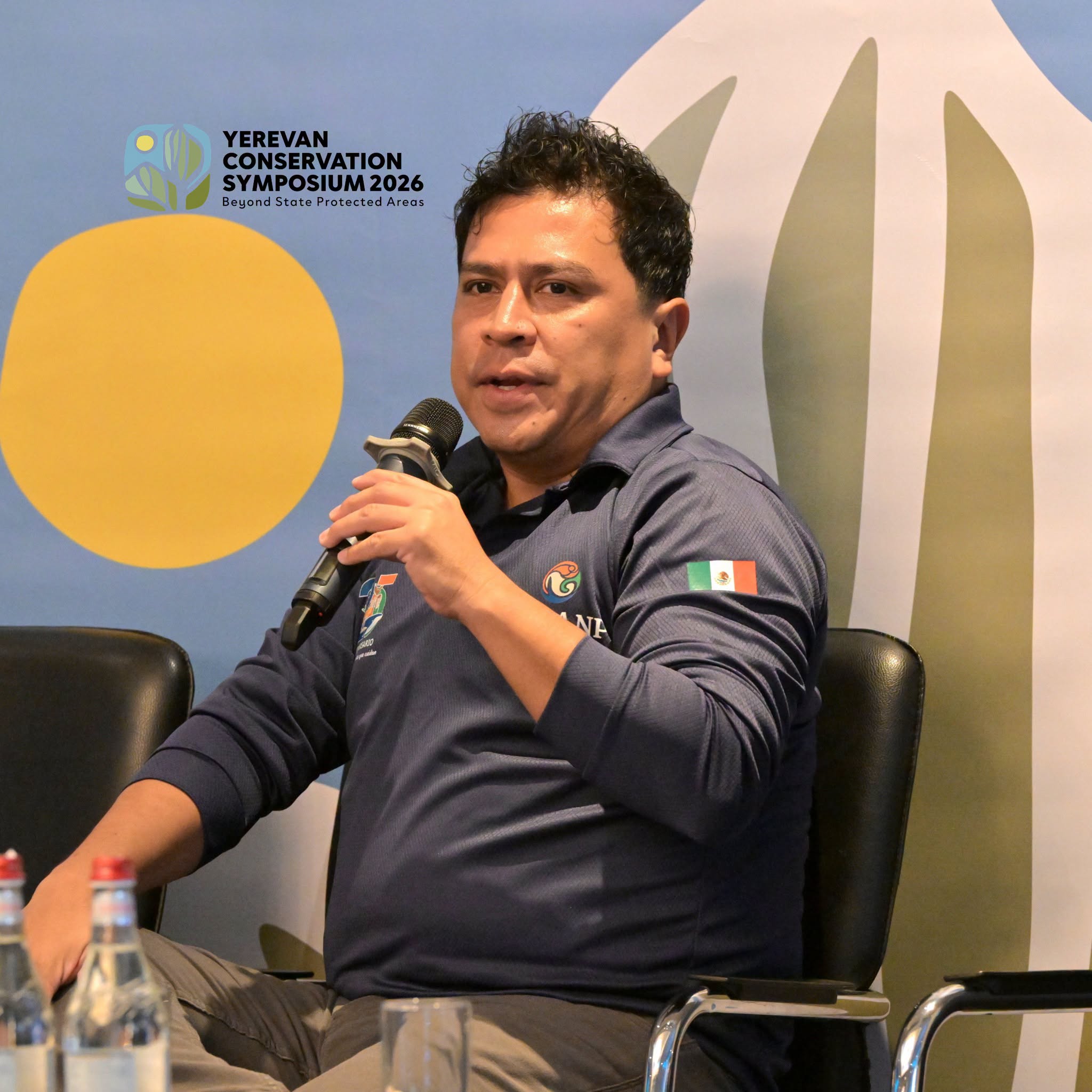
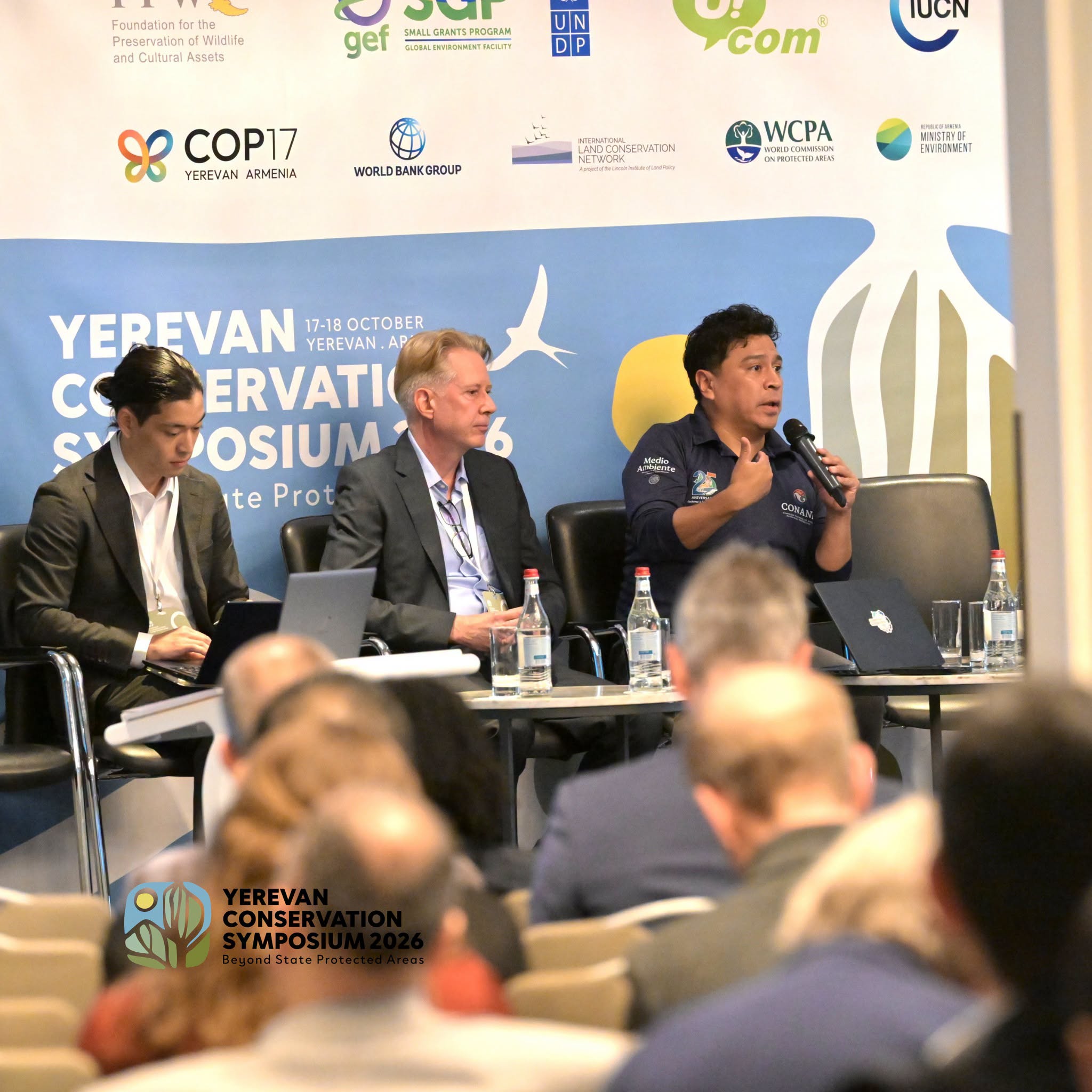
During the discussion, international experts presented successful experiences and innovative monitoring mechanisms from various countries. Specifically, Eduardo Robelo González, representing Mexico's National Commission of Natural Protected Areas (CONANP), addressed the system of Voluntarily Designated Conservation Areas (ADVC) operating in his country. He emphasized that this experience clearly demonstrates how community and private landowners can be effectively integrated into the official conservation system while preserving their property rights and encouraging locally conducted monitoring.
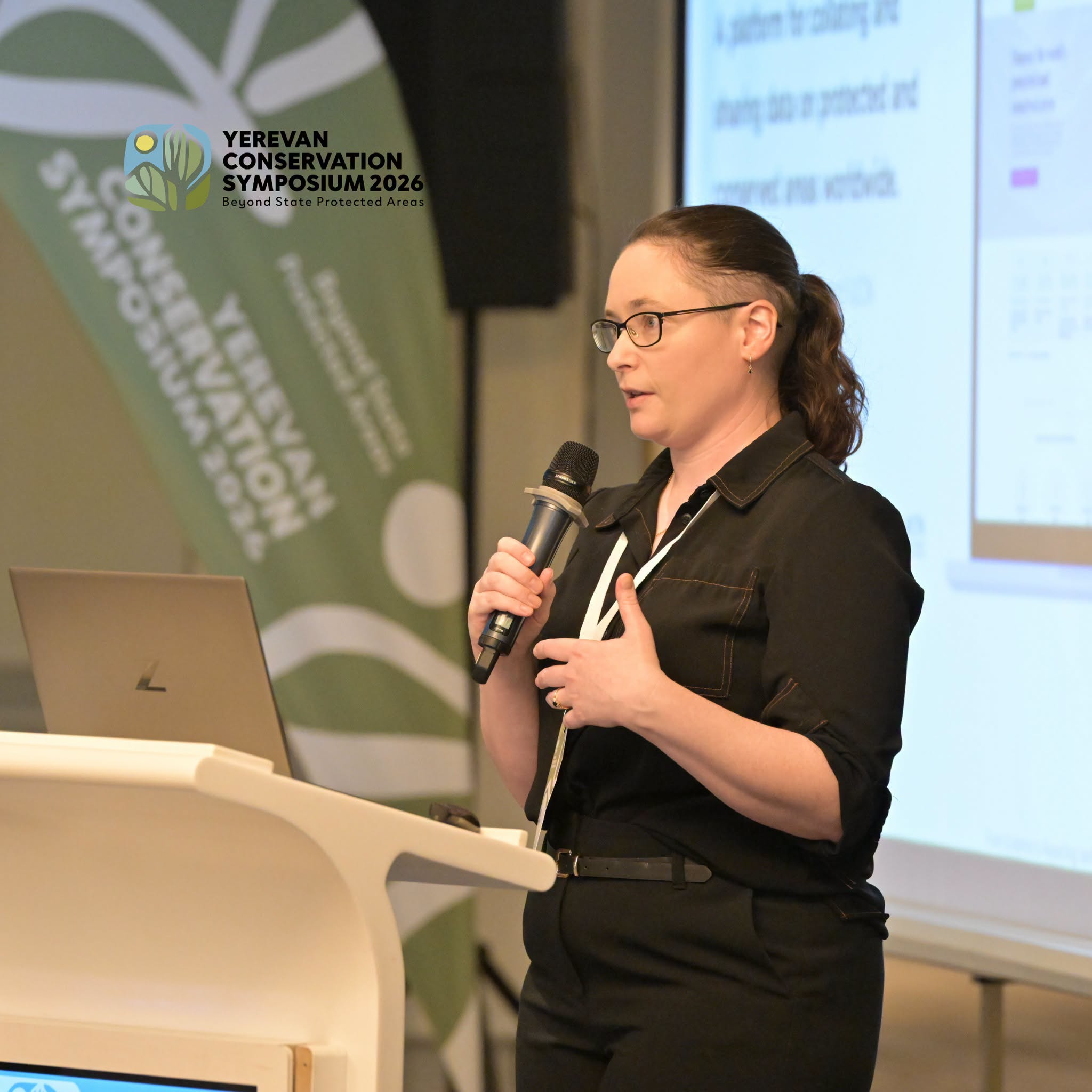
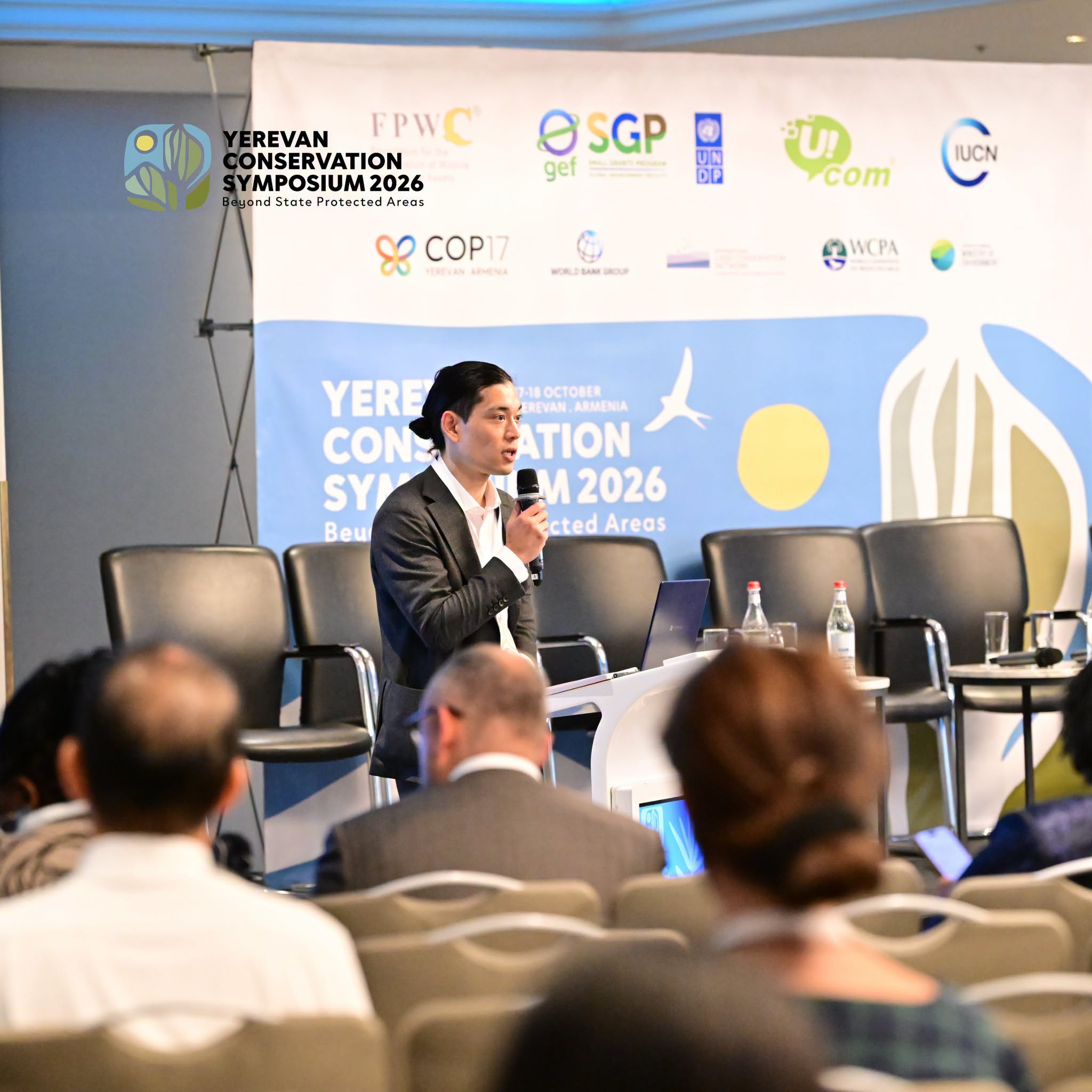
The potential of local monitoring is further expanded when combined with modern digital technologies and private sector engagement. In this context, Kiname Kohei from Japan's Ministry of the Environment presented Japan's "Kyosei sites" model and the application of the "Biome Inc." digital app. According to him, these tools prove that involving the private sector and citizen science in biodiversity data collection yields scalable and sustainable results.
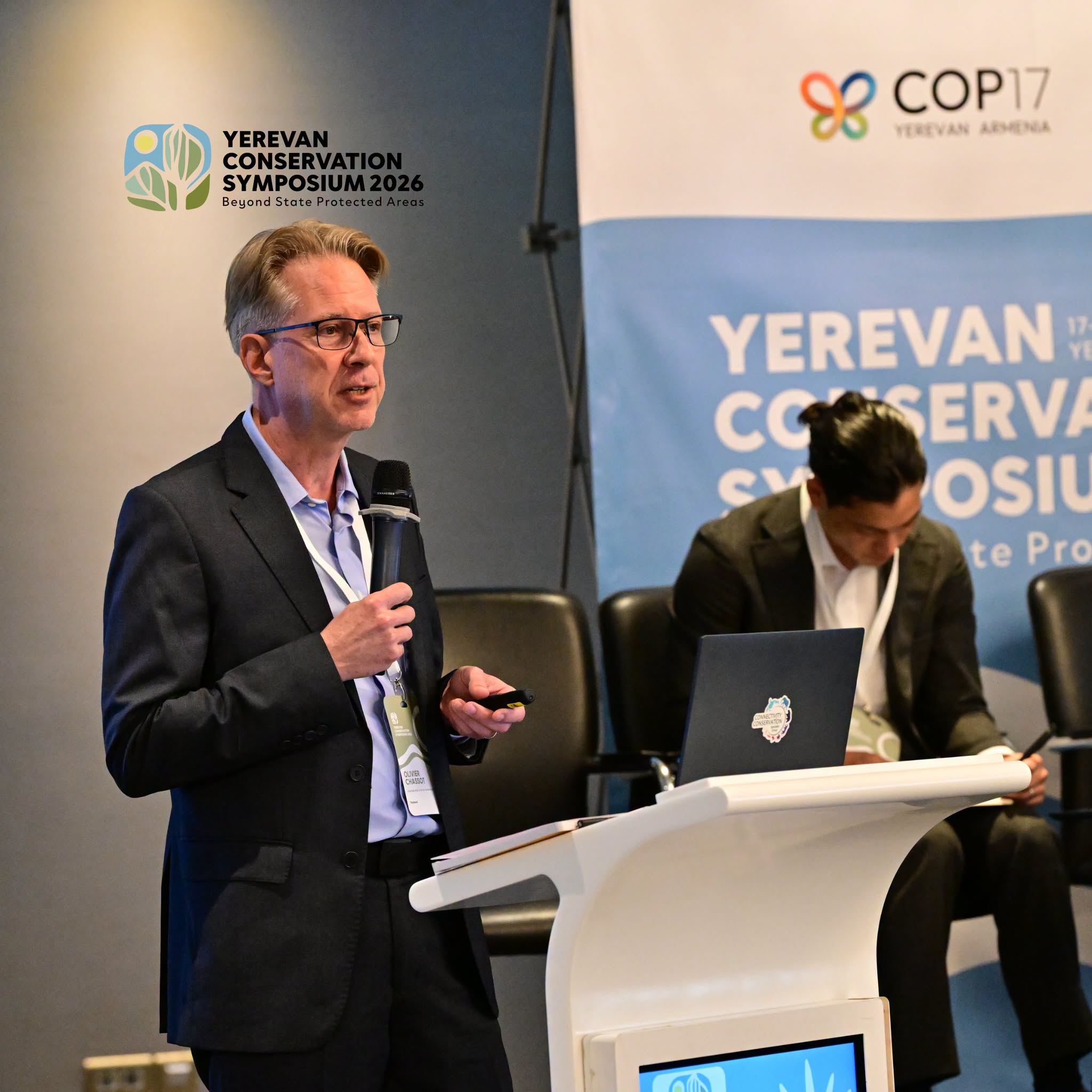
The reliability of collected data and its alignment with international standards are, in turn, decisive for achieving global targets. Olivier Chassot, representing the Asia Regional Office of the International Union for Conservation of Nature (IUCN Asia Regional Office), referring to IUCN's "From Coverage to Confidence" report, stressed that achieving Target 3 of the Kunming-Montreal Global Biodiversity Framework requires moving from simple quantitative area coverage to confidence in outcomes. This can be achieved through evidence-based monitoring and the application of clear OECM criteria.
Panel participants agreed that it is impossible to effectively conserve what is not measured; reliable monitoring and verification serve as the vital bridge connecting local conservation efforts to global financing and international recognition.