
Published on 21/05/2026
The educational and awareness campaign for local communities has officially launched within the framework of the project "Strengthening Resilience and Promoting Coexistence in Areni Community through Mitigating Human-Wildlife Conflict and Sustainable Resource Use."
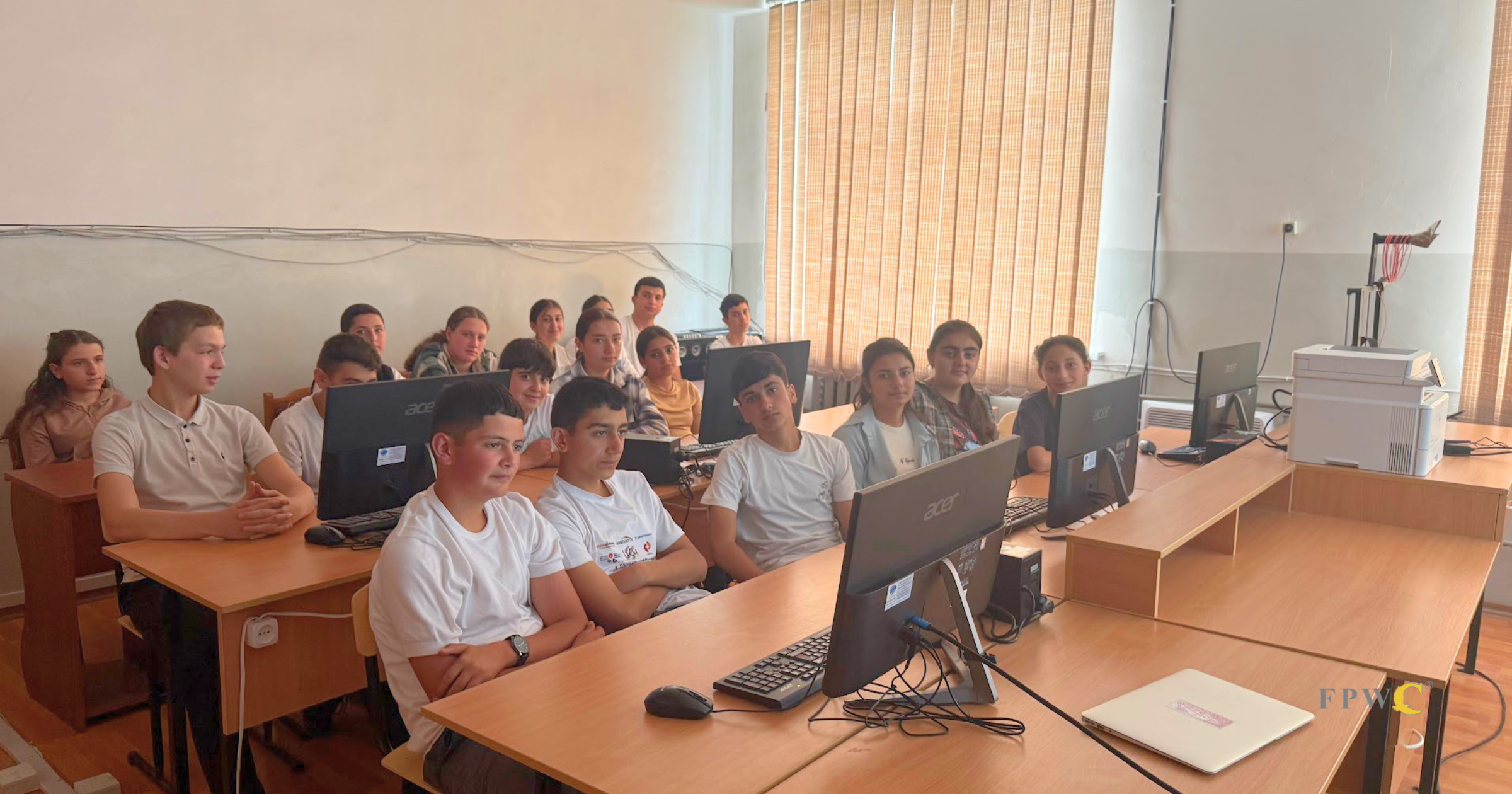
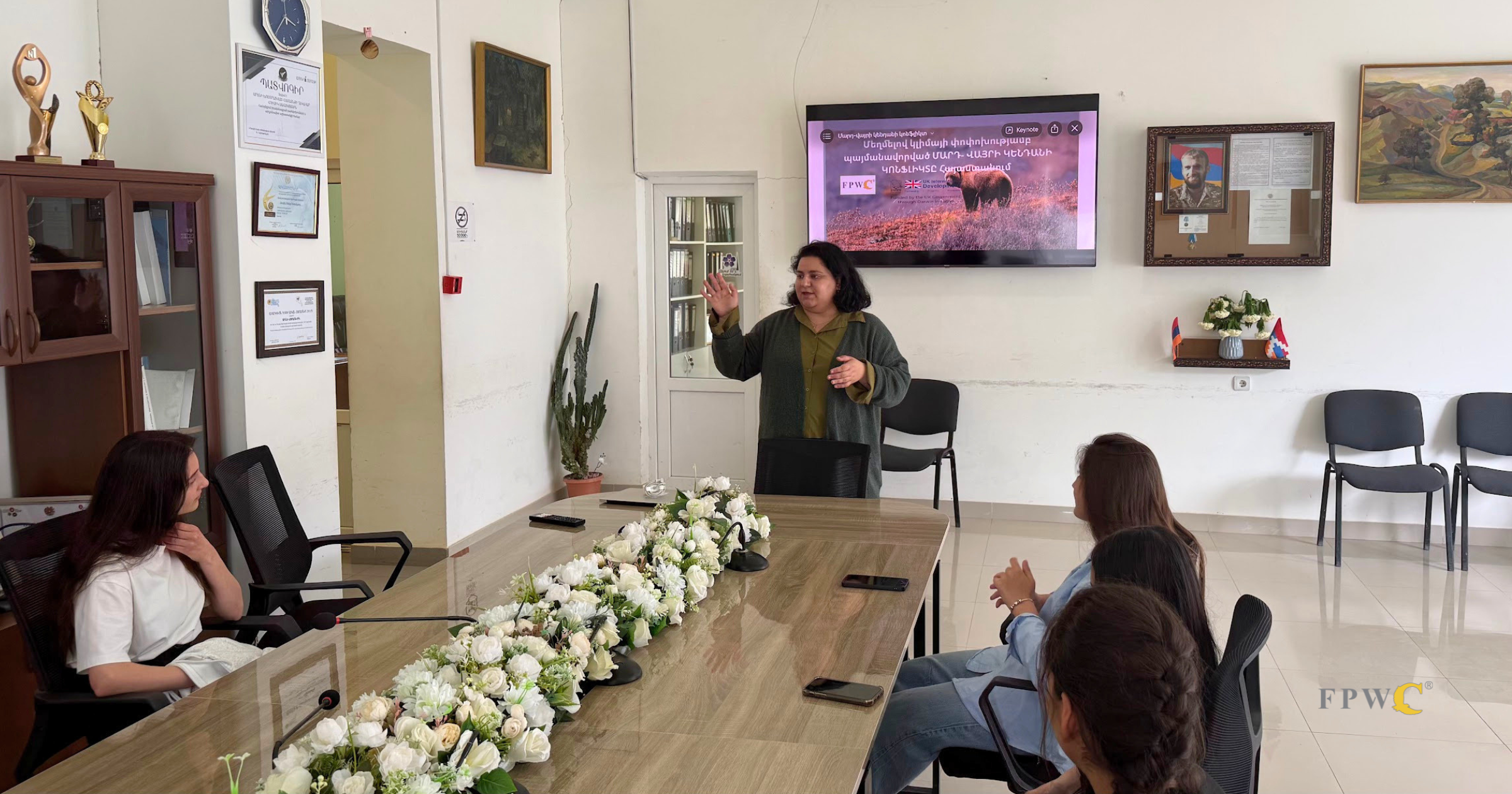
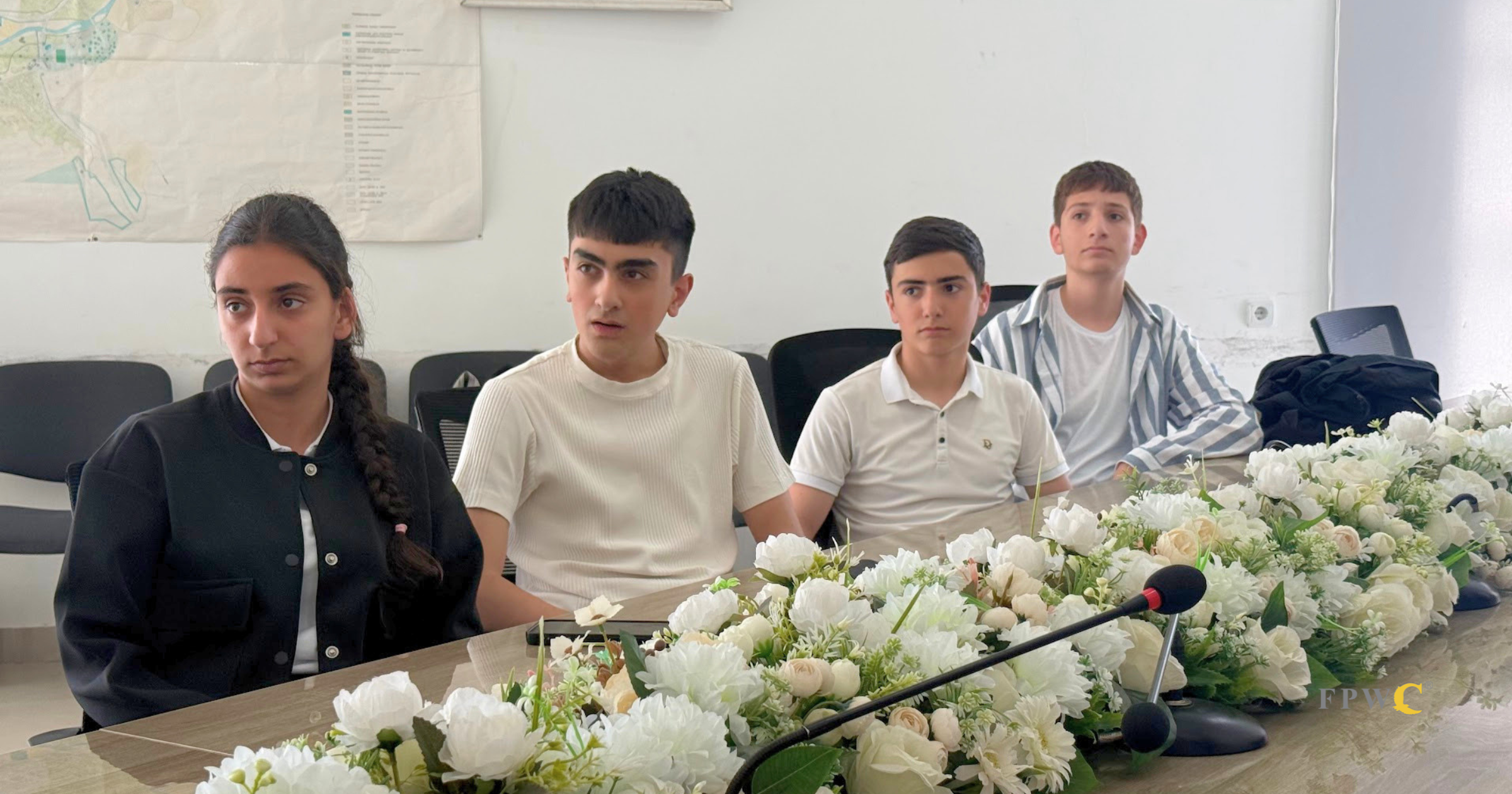
Recently, the professional team of the Foundation for the Preservation of Wildlife and Cultural Assets (FPWC) held meetings with school students in the Areni and Yelpin settlements. As a reminder, this important initiative is implemented with the financial support of the H. Hovnanian Family Foundation.
Following productive working discussions with active community representatives, the Foundation has now targeted the younger generation, as they are the true torchbearers of the future sustainable development of their communities and harmonious coexistence with nature.
The meetings with students focused heavily on the cause-and-effect relationships of human-bear conflict. During the active and interactive dialogue, the following key topics were discussed:
The Impact of Humans and Communities: How human economic activity affects the natural habitats of wildlife, and why the appearance of bears in residential areas has become a serious socio-economic challenge for communities.
Ways to Resolve the Conflict: Students were introduced to modern technical solutions, such as the use of electric fences, which allow the protection of local residents' crops and livestock without harming wildlife.
The school students engaged in the discussions with great interest and enthusiasm, highlighting real-world issues in their settlements, sharing their own observations, and proposing innovative solutions.
The FPWC reaffirms that strengthening community resilience is only possible through a comprehensive approach, where education and capacity building at the local level—including raising awareness among youth—hold strategic importance.