
Published on 17/11/2026
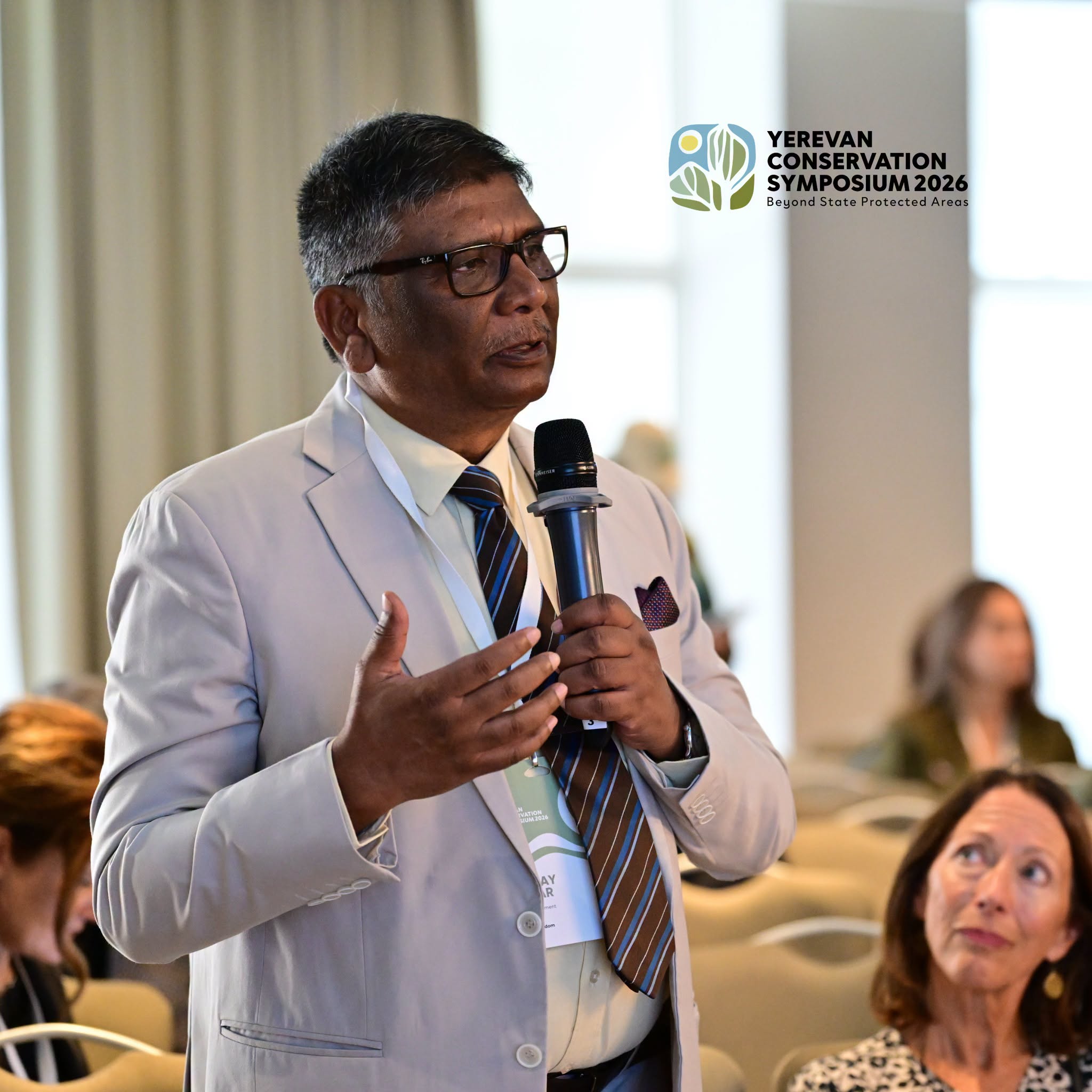
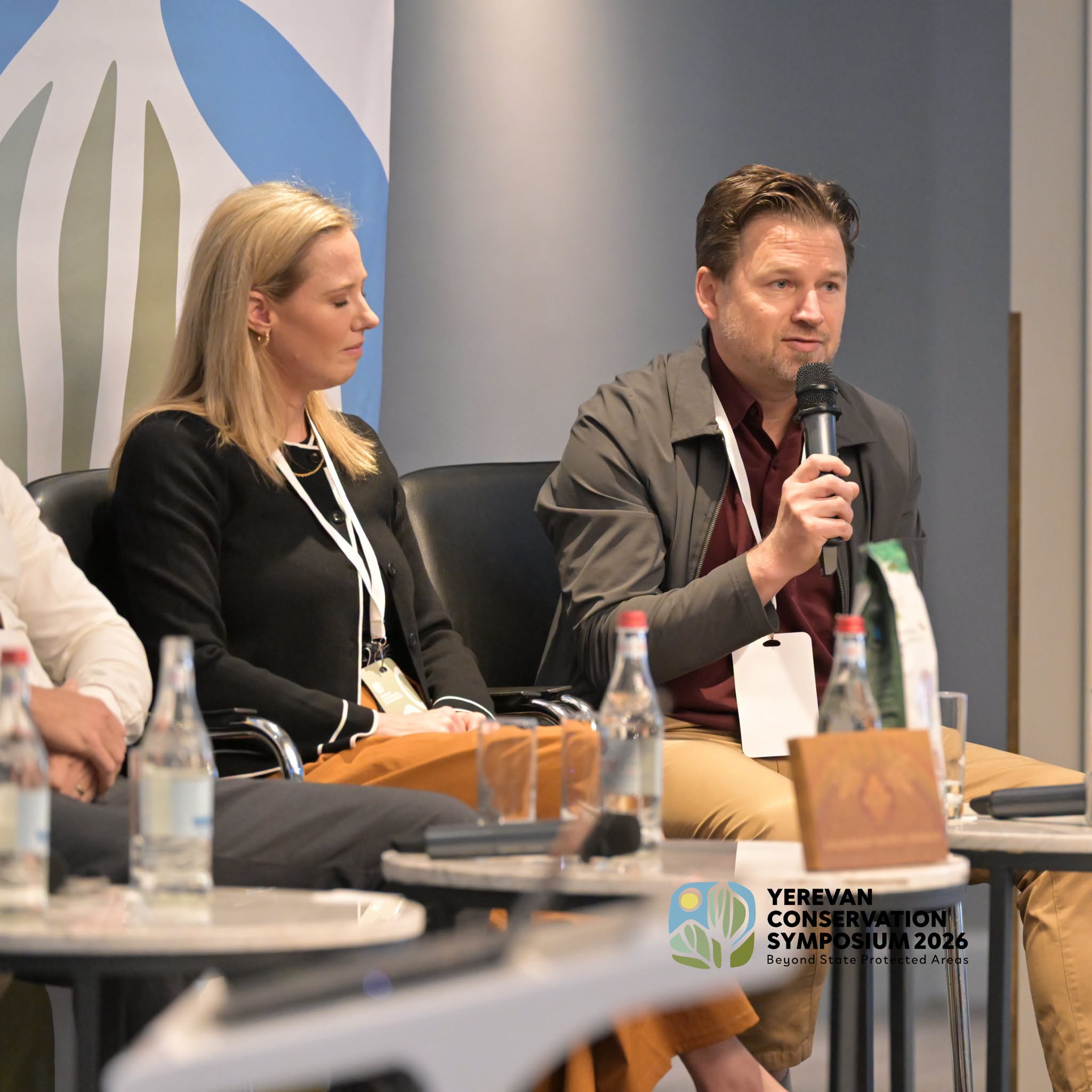
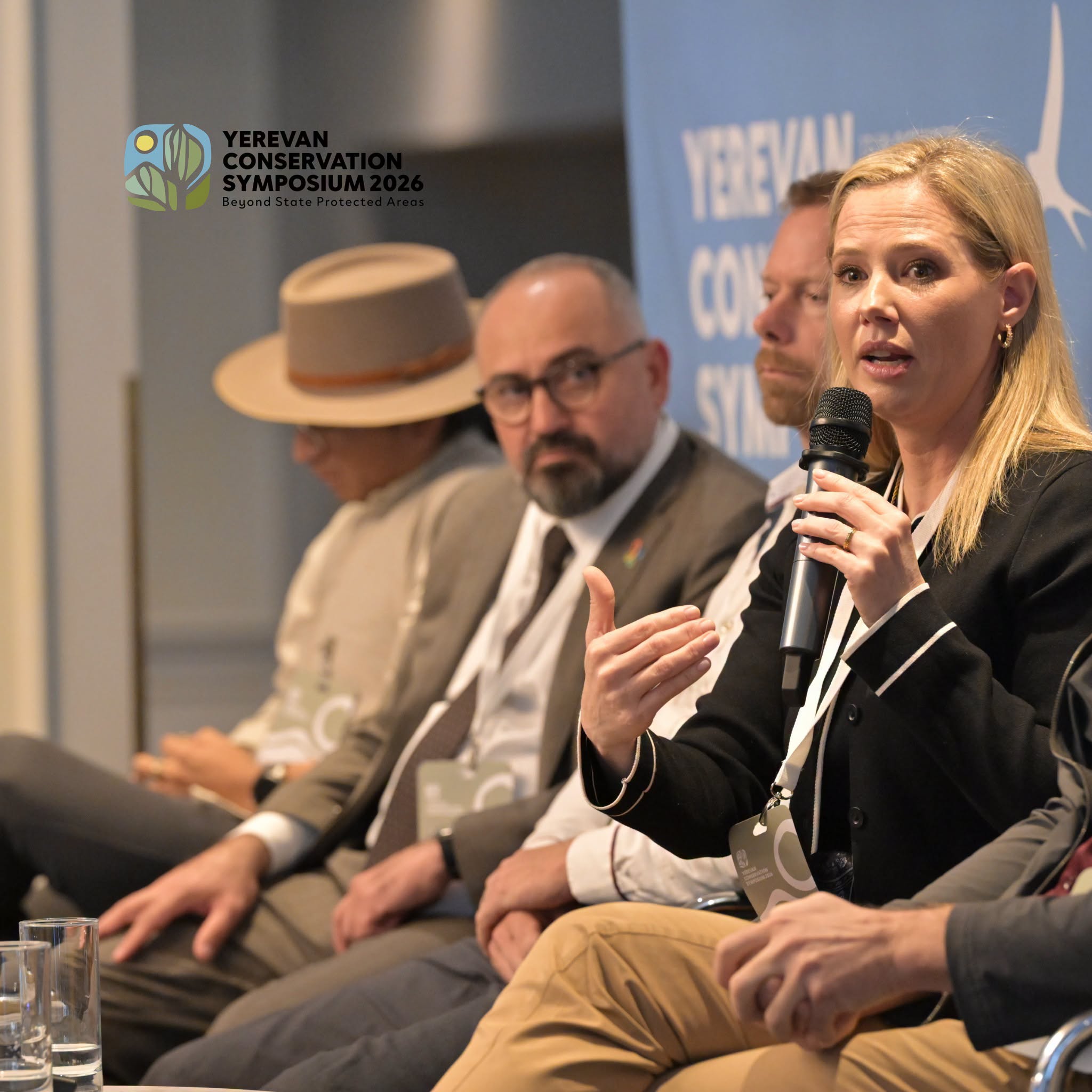
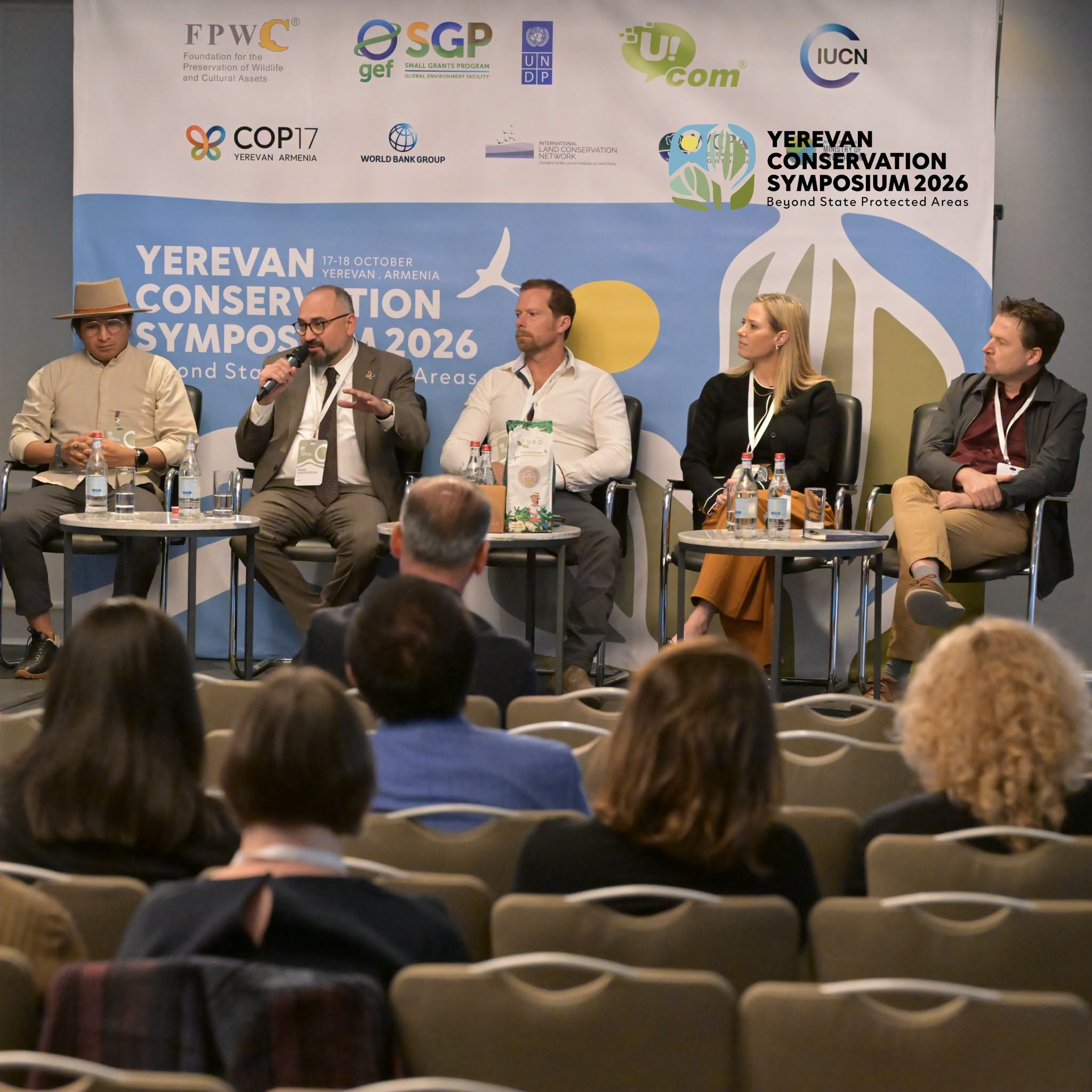
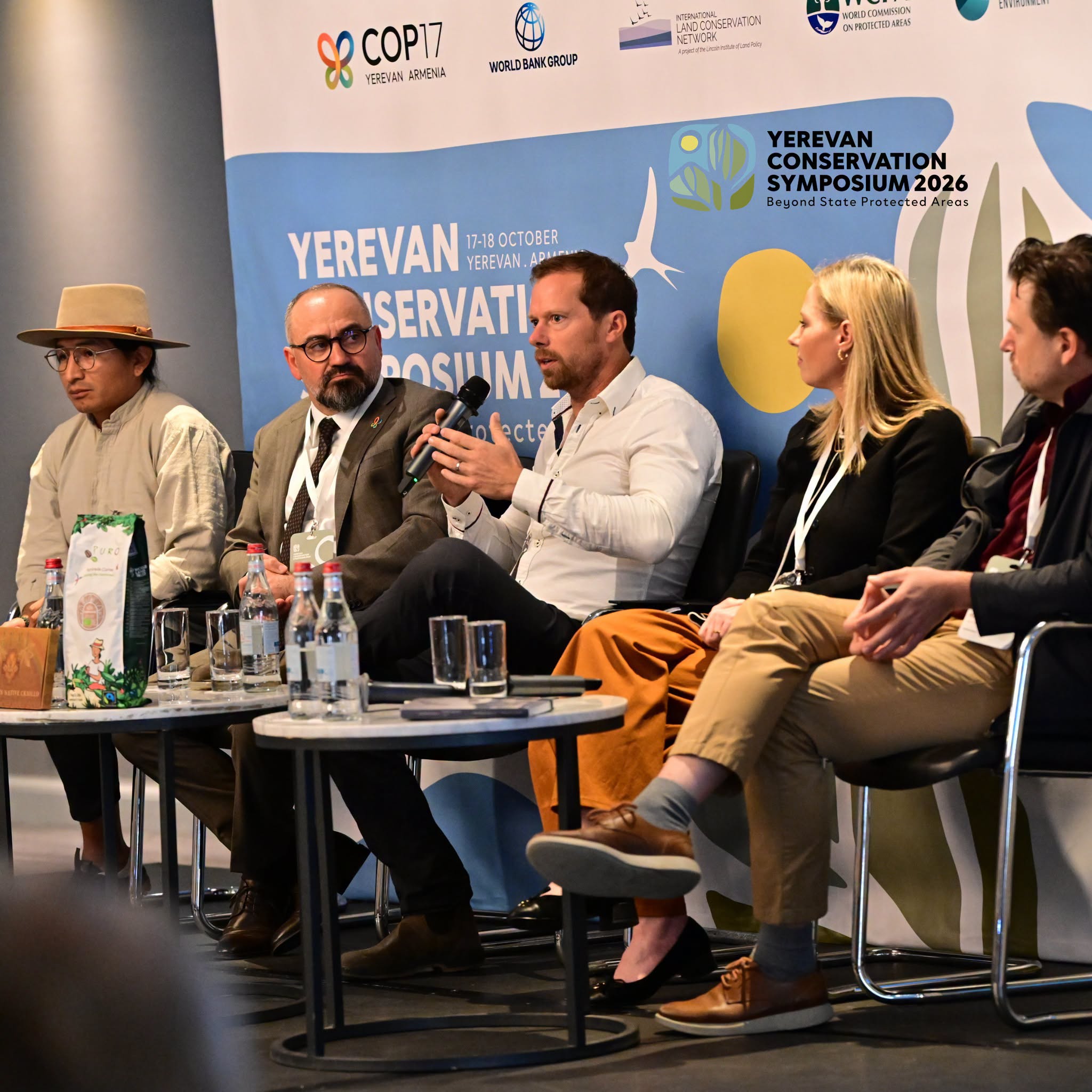
Within the framework of the "Yerevan Conservation Symposium 2026" (YCS 2026), a panel discussion titled "Financing Conservation Beyond State Protected Areas" took place. Moderated by Onno van den Heuvel of the UNDP Planet Hub, the session brought together international organizations, the business sector, and environmental leaders to discuss practical models for sustainable financing and incentivizing ecosystems located outside state protected areas.
At the heart of the discussion, first and foremost, was the fair allocation of financial resources and accounting for the real needs of local communities. Warīnkwī Flores of IEC addressed the need to overcome stereotypes prevalent on international platforms: “There is still a misconception on international platforms that Indigenous Peoples and local communities do not need financial resources because they live in harmony with nature and their work is 'voluntary.' However, local communities have real needs for education, healthcare, and livelihoods; conservation finance must account for local informal economies and fairly compensate for this conservation.”
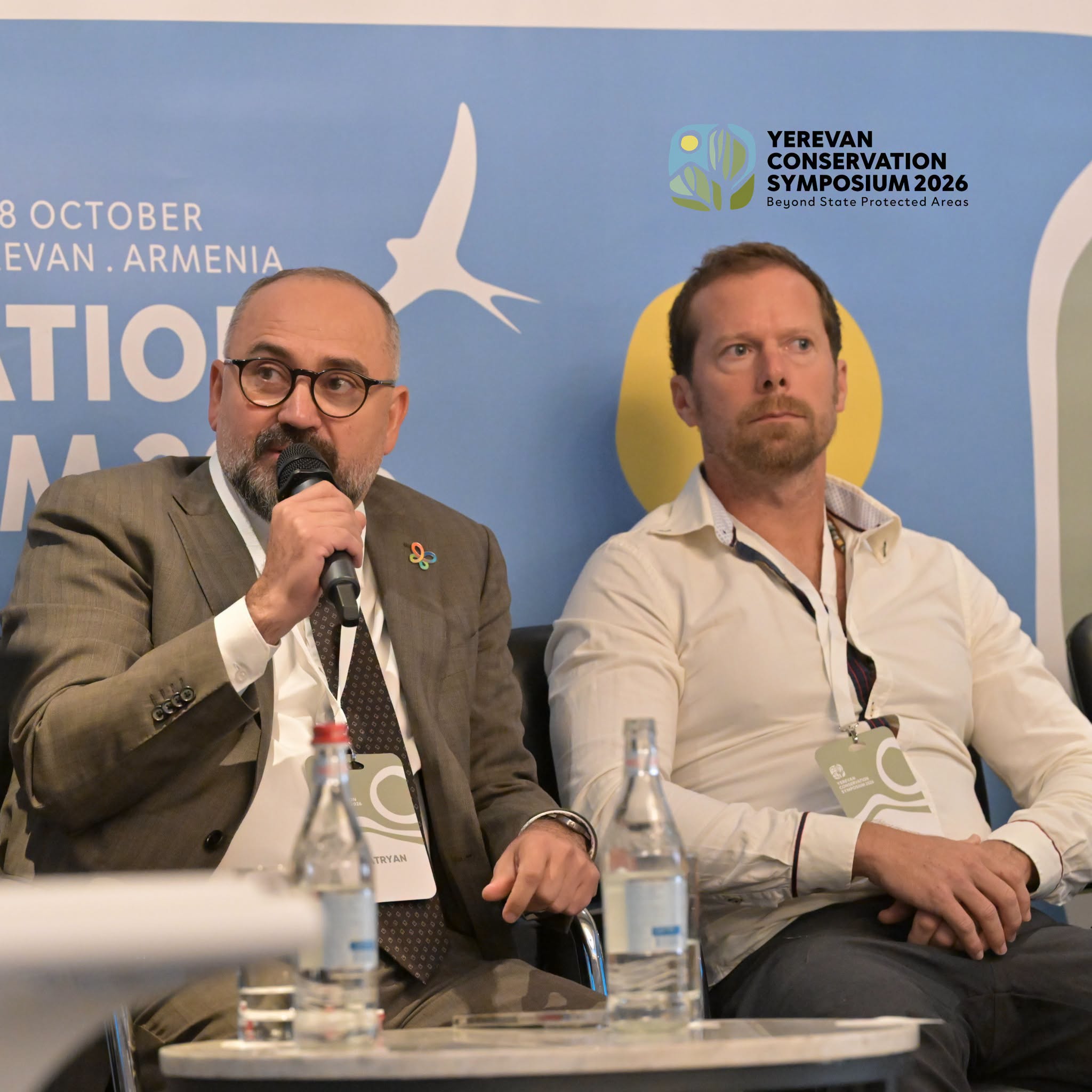
To ensure sustained support for local communities and fieldwork, innovative institutional and tax solutions are required to stimulate private sector engagement. In this context, Ruben Khachatryan, Founder and Director of the Foundation for the Preservation of Wildlife and Cultural Assets (FPWC), presented Armenia's successful experience: “Years ago, together with our partners at IUCN, we tried to advance a 0.25% tax deduction mechanism in Armenia directed toward environmental initiatives. Although there were numerous legislative and organizational obstacles along the way, today, thanks to the platform established with green businesses, that 0.25% is channeled into financing real environmental projects and conservation.”
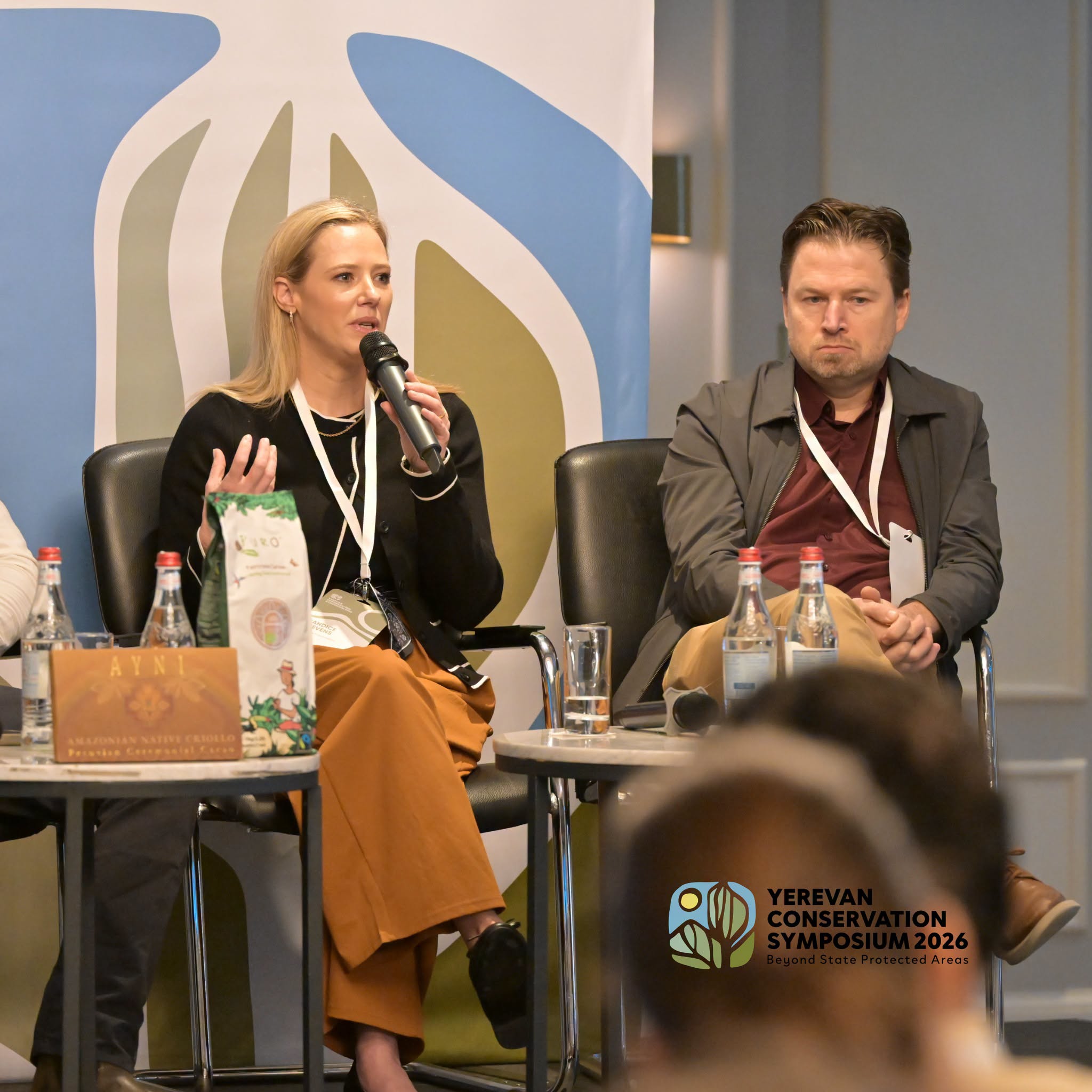
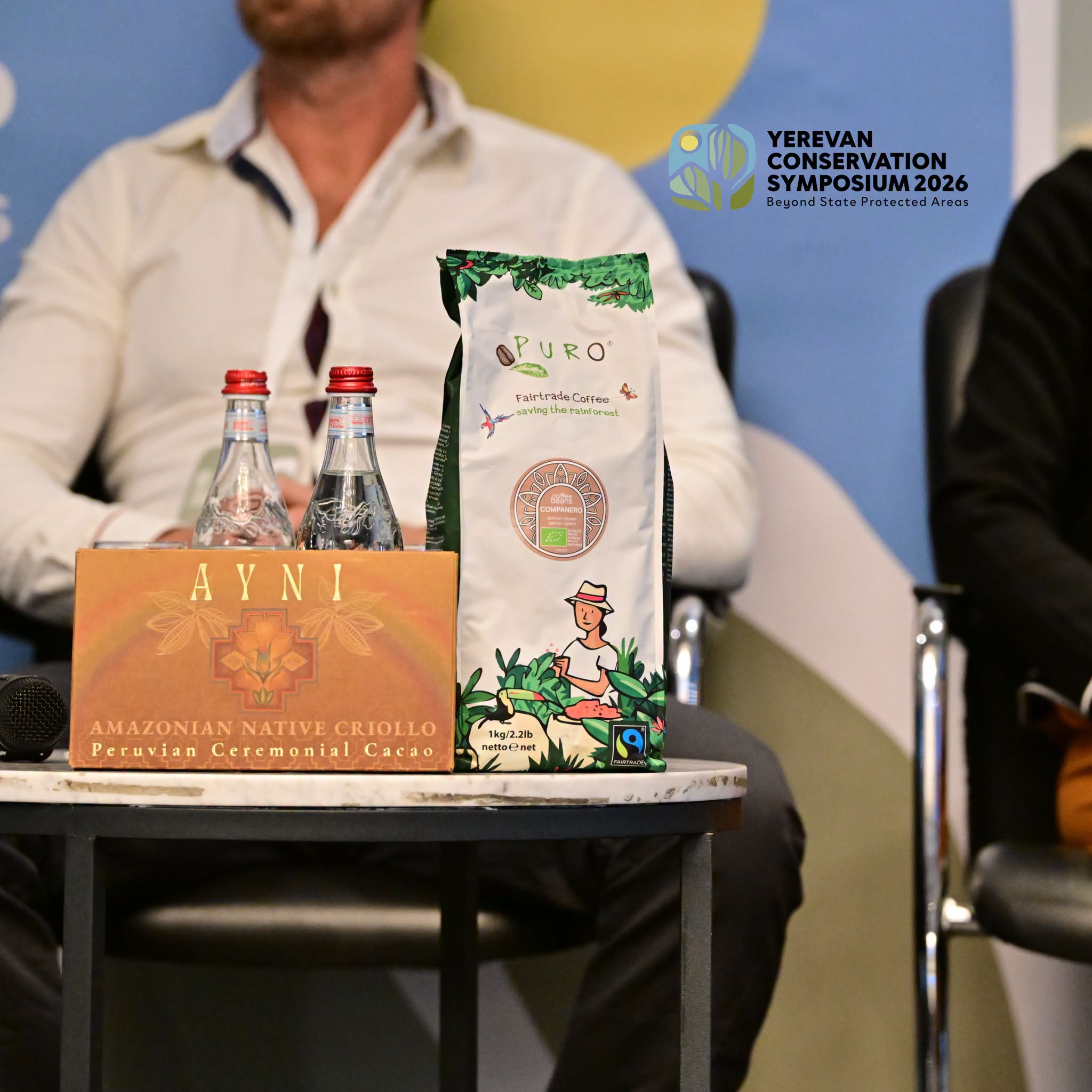
Alongside state and tax mechanisms, direct engagement from the business sector can also deliver long-term and predictable results. Andy Orchard of PURO Coffee shared their business model, which directly links the consumer market to nature conservation: “Amid shrinking corporate funding, PURO Coffee has created a long-term, product-based model. With proceeds from every cup of coffee sold, we directly fund the conservation of FPWC’s more than 3,000-hectare refuge, supporting the dedicated people who carry out this incredible work on the ground.”
Scaling up such diverse initiatives demonstrates that increasing access to financial resources globally requires a flexible approach. Candice Stevens of the Sustainable Finance Coalition emphasized the importance of selecting financial tools tailored to local realities: “We often hear from our partners in Africa and around the world: 'We know financial resources exist, but we don't know what the specific key is to unlock them.' There is no universal 'silver bullet'; just as conserved ecosystems and governance forms are diverse, a diversity of financial instruments is needed to match real local needs.”
This diversity of financial instruments becomes even more effective in practice when risks for local initiatives are reduced and direct access to funds is ensured. Summarizing the discussion, Terence Hay-Edie of UNDP-GEF presented the experience of the Small Grants Programme: “The experience of the GEF Small Grants Programme shows that providing communities and local organizations with direct access to financial resources is decisive. Through the SATOYAMA and COMDEKS initiatives, we apply a landscape approach and credit guarantees that reduce risks for community enterprises and multiply environmental impact.”
The panel discussion once again underscored the participants' shared vision—to shape sustainable, inclusive, and innovative financial solutions for the effective and long-term conservation of nature beyond state protected areas.