
Published on 30/06/2026
The second day of the two-day field visit for the COP17 Media School participants was dedicated to an in-depth exploration of the most pressing environmental, legal, and publicly resonant issues. While the first day of the journey introduced the journalists to the alternative management models and technological capabilities of the Caucasus Wildlife Refuge (CWR), the second day's agenda focused on animal welfare, bodying the illegal wildlife trade, and the practical application of media tools.
The day kicked off early in the morning with an optional hike to the magnificent 10th-century historical monument, Tapi Fort (Gevorg Marzpetuni Fortress). The purpose of this hike was to demonstrate to the media representatives the unbreakable link and harmony between cultural-historical heritage and the natural landscape.
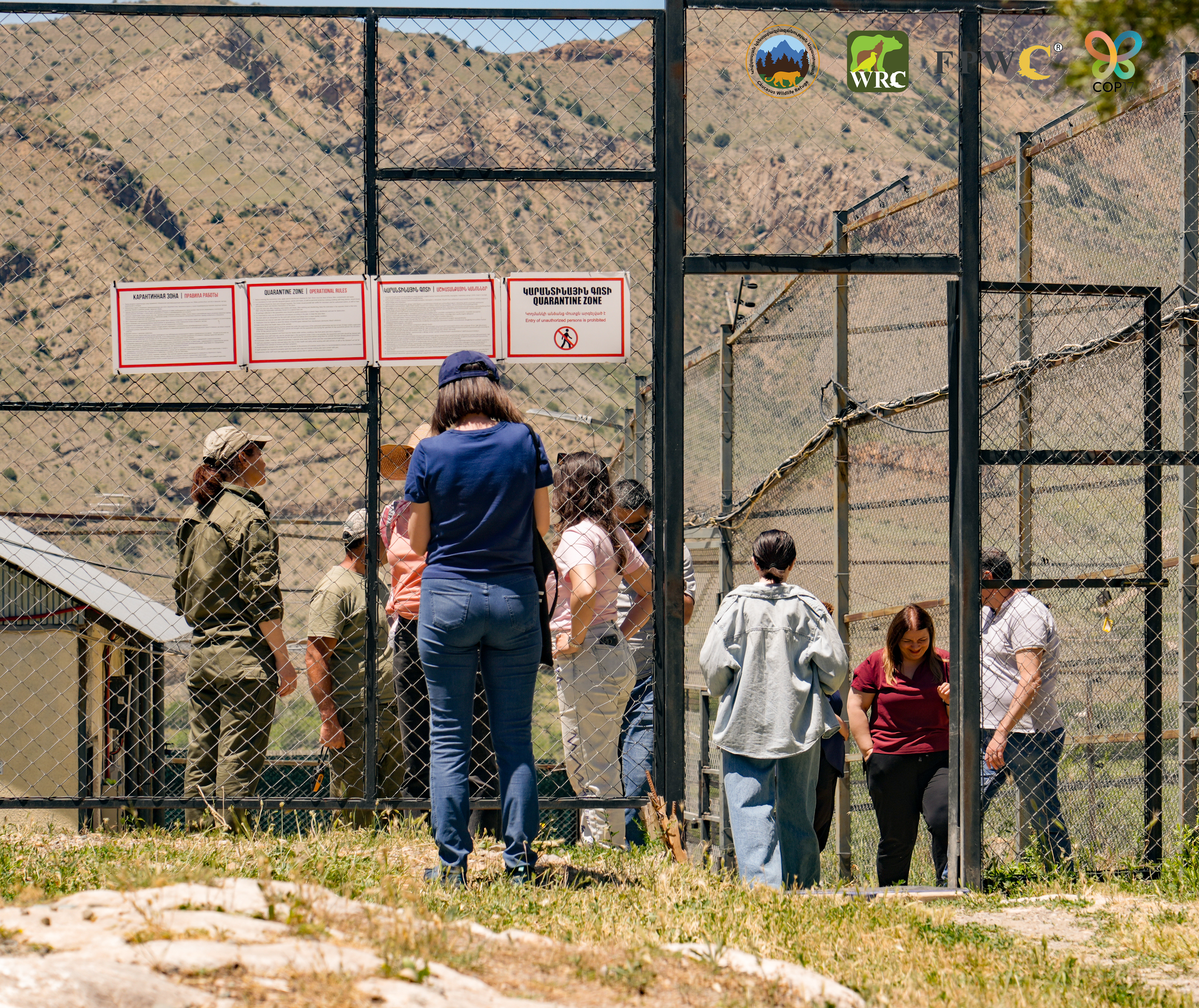
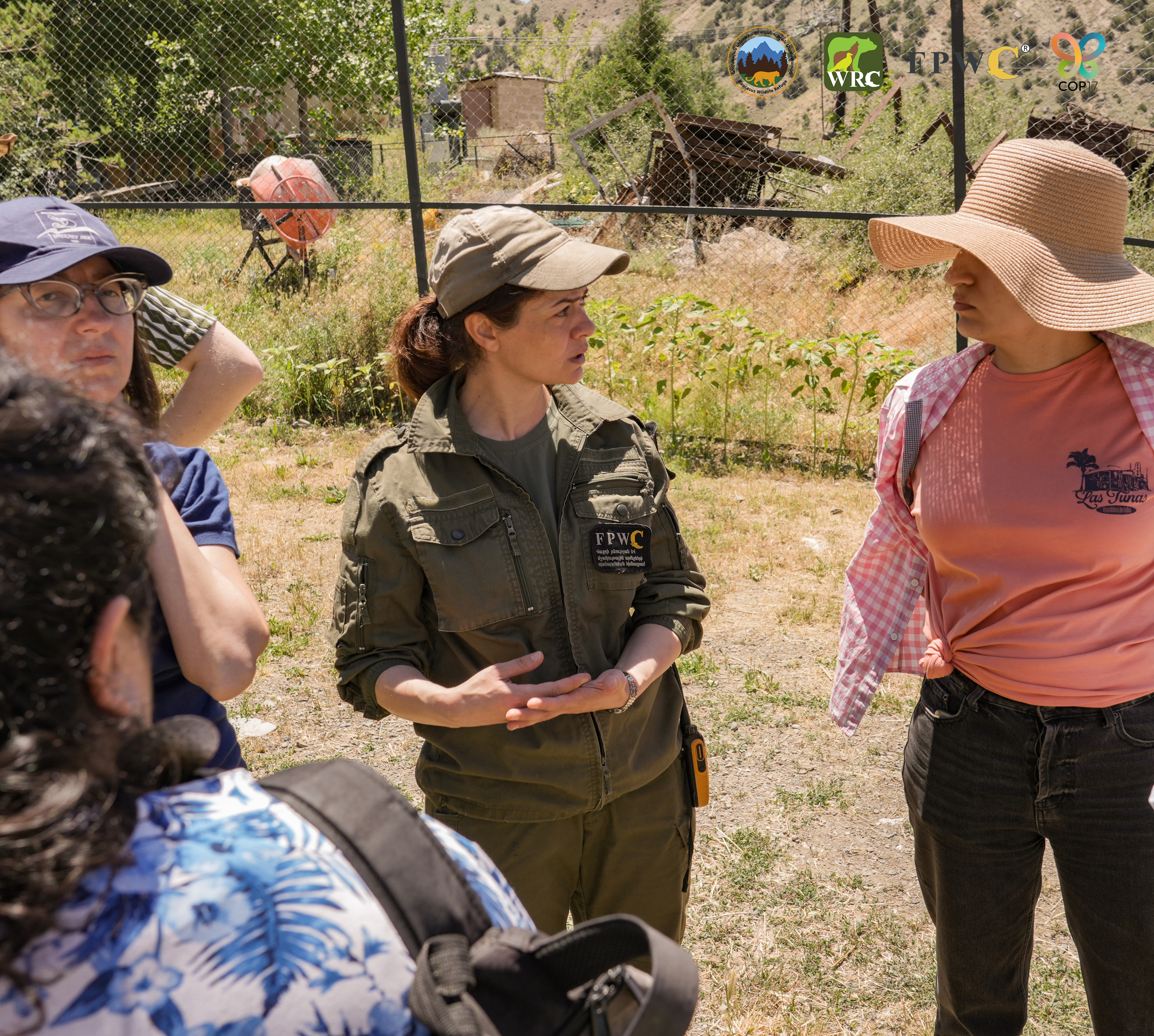
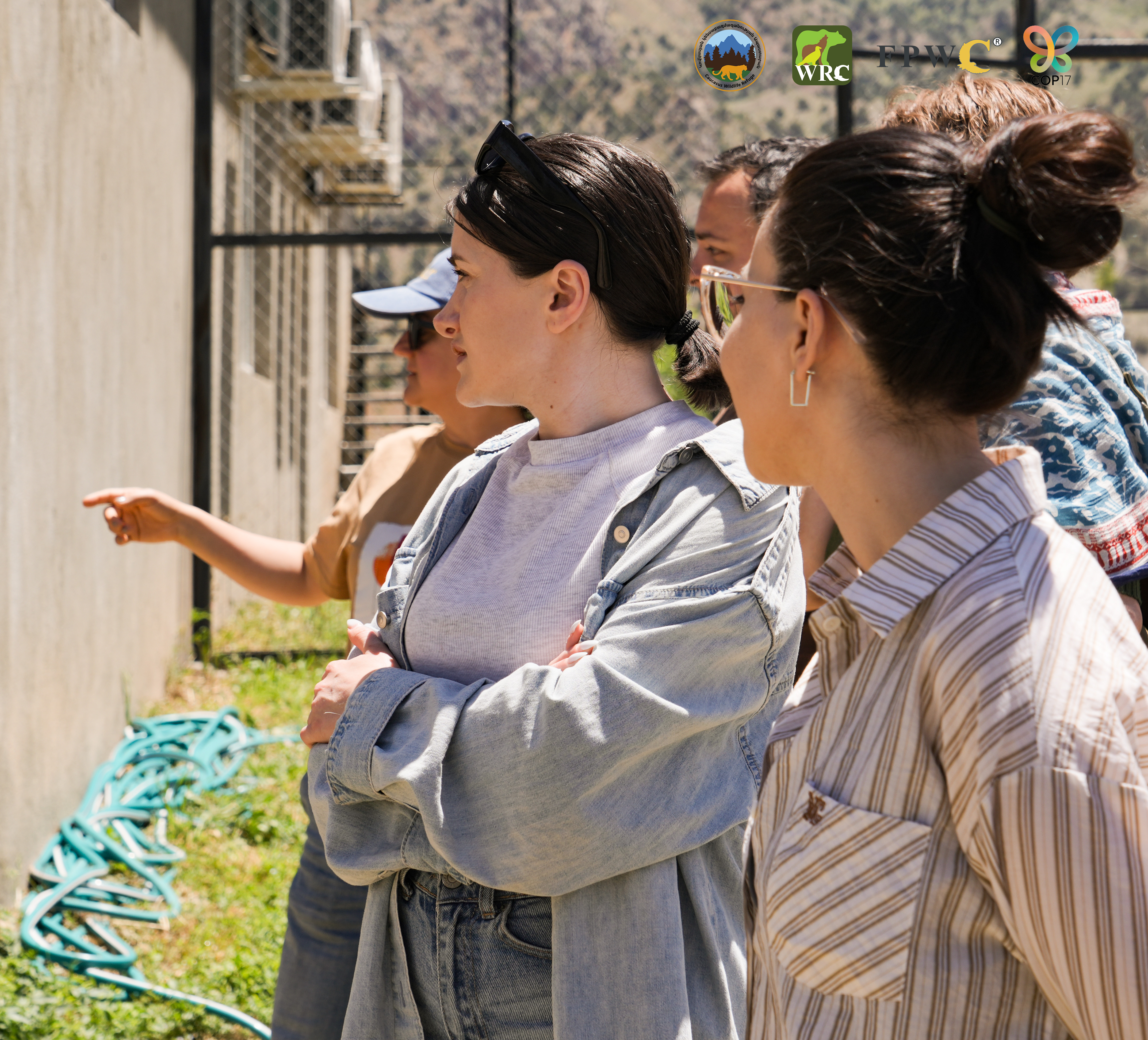
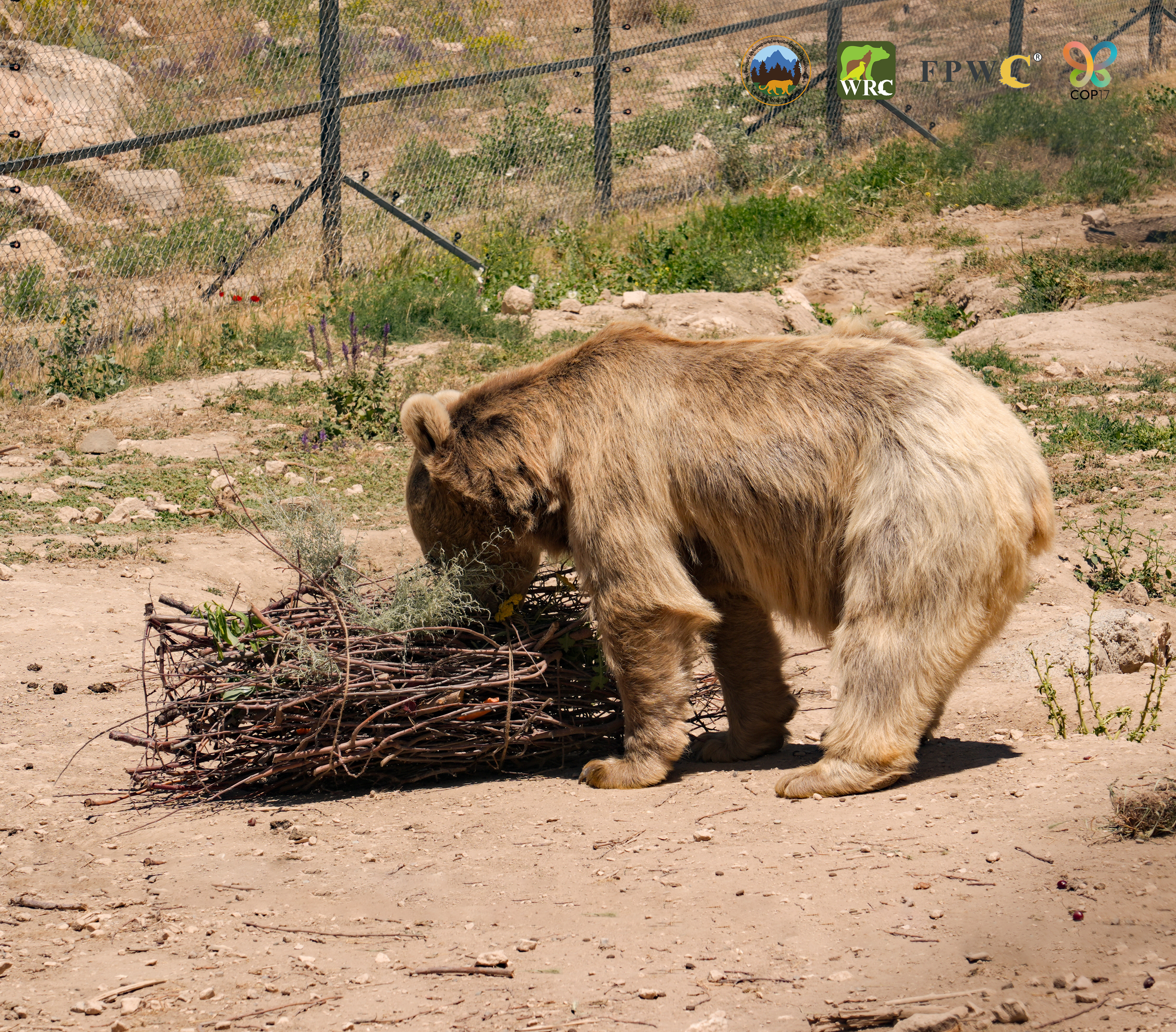
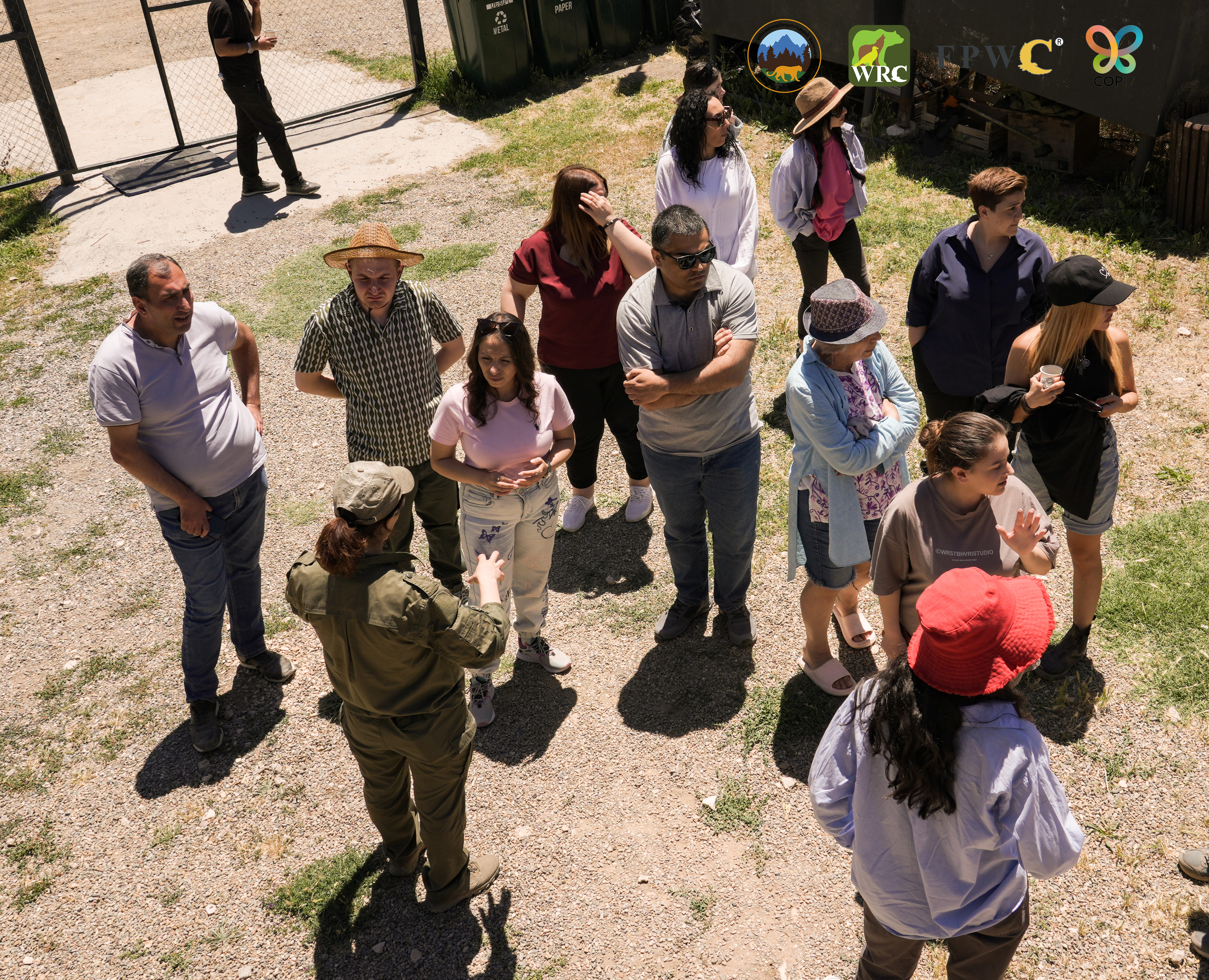
The key and perhaps most impressive phase of the day was the visit to the Wildlife Rescue Center (WRC). Narine Piloyan, the WRC Animal Care Coordinator, presented the journalists with the center's complex and responsible activities, the bear rescue program, and the mission of the cub rehabilitation center.
The journalists learned in detail about international animal care and welfare standards, and, in the case of orphaned cubs born in the wild, the complex, multi-stage process of releasing them back into nature. During the tour, a unique manifestation of exceptional professional dedication occurred when the speaker, Narine Piloyan, could not hide her genuine emotion while sharing the stories of bears that had suffered for years in captivity and harsh conditions, but were rehabilitated and given a second life thanks to the center. This subtle yet deeply emotional reflection allowed the participants to view the issue not just through dry statistics or theoretical rules, but through the prism of highest ethics and humanitarian compassion.
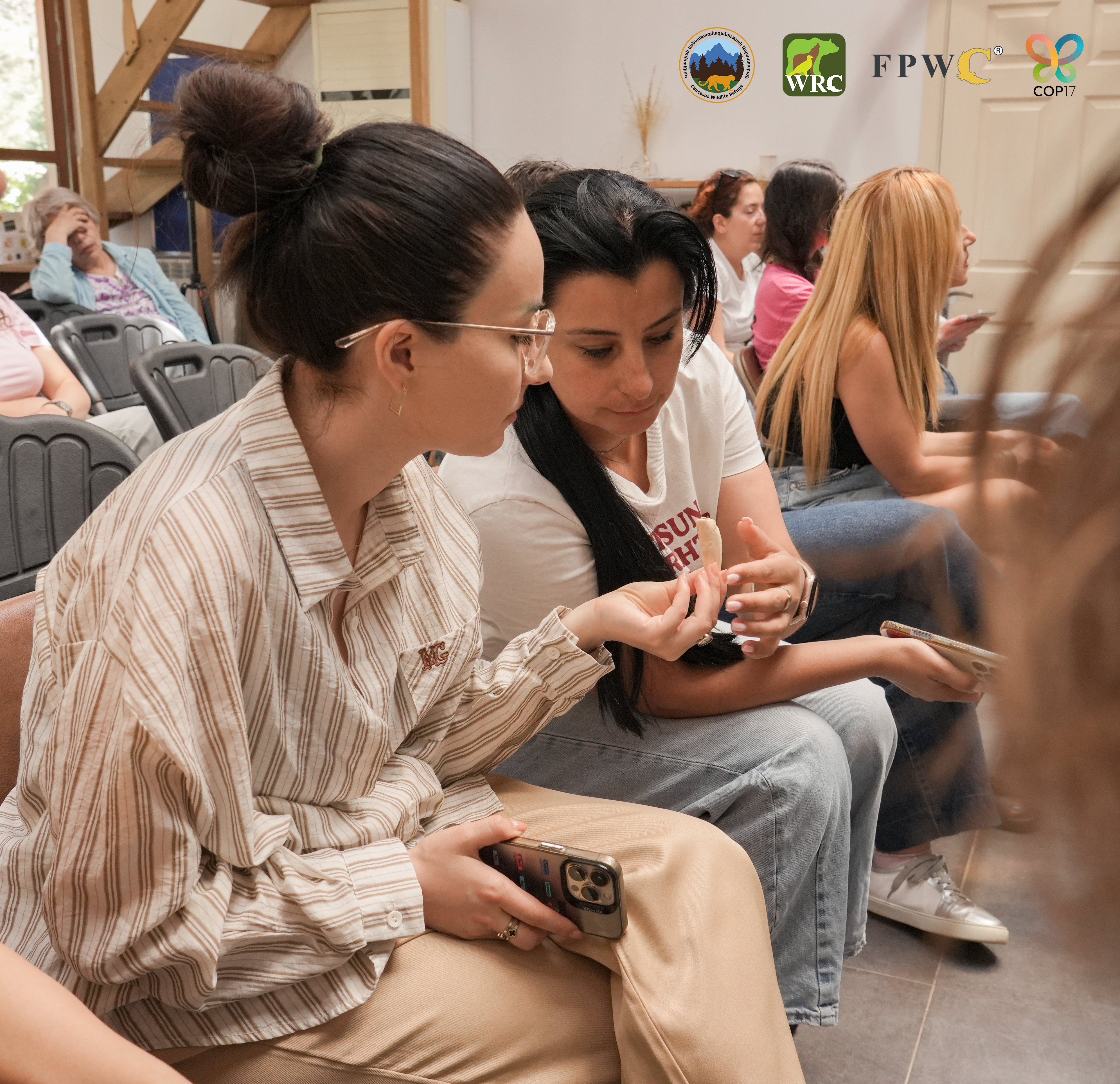
The next theoretical and practical session of the field visit was dedicated to one of the most acute international eco-crimes: the illegal wildlife trade. Independent journalist Mariam Tashchyan presented the global trends and local challenges of the sector.
The speaker dove deep into the nuances of investigative journalism, showing the participants how this illegal chain directly links to the COP17 agenda and CITES regulations. During the session, the most impactful media tools for public coverage were analyzed, which can contribute to raising public awareness and finding legal solutions to the issue.
The final stage of the field visit marked the official launch of the media contest for original journalism pieces on the topic "The Future of Biodiversity: Alternative Conservation Models."
The journalists' visit was organized by the Foundation for the Preservation of Wildlife and Cultural Assets (FPWC) within the framework of the COP17 Media School.
The COP17 Media School was organized by the Ministry of Environment of the Republic of Armenia, the United Nations Office in Armenia, and GIZ, with the support of the European Union (EU) and the Federal Ministry for the Environment, Climate Action, Nature Conservation and Nuclear Safety of the Federal Republic of Germany (BMUKN).