
Published on 17/11/2026
Within the framework of the "Yerevan Conservation Symposium 2026" (YCS 2026), a panel discussion titled "Designing Finance for Effective and Equitable Conservation" took place. Moderated by Martin Cadena Salgado of the UNDP Biodiversity Finance Initiative (UNDP BIOFIN), the session centered on equity in conservation finance, long-term sustainability, and the strategic engagement of the private sector.
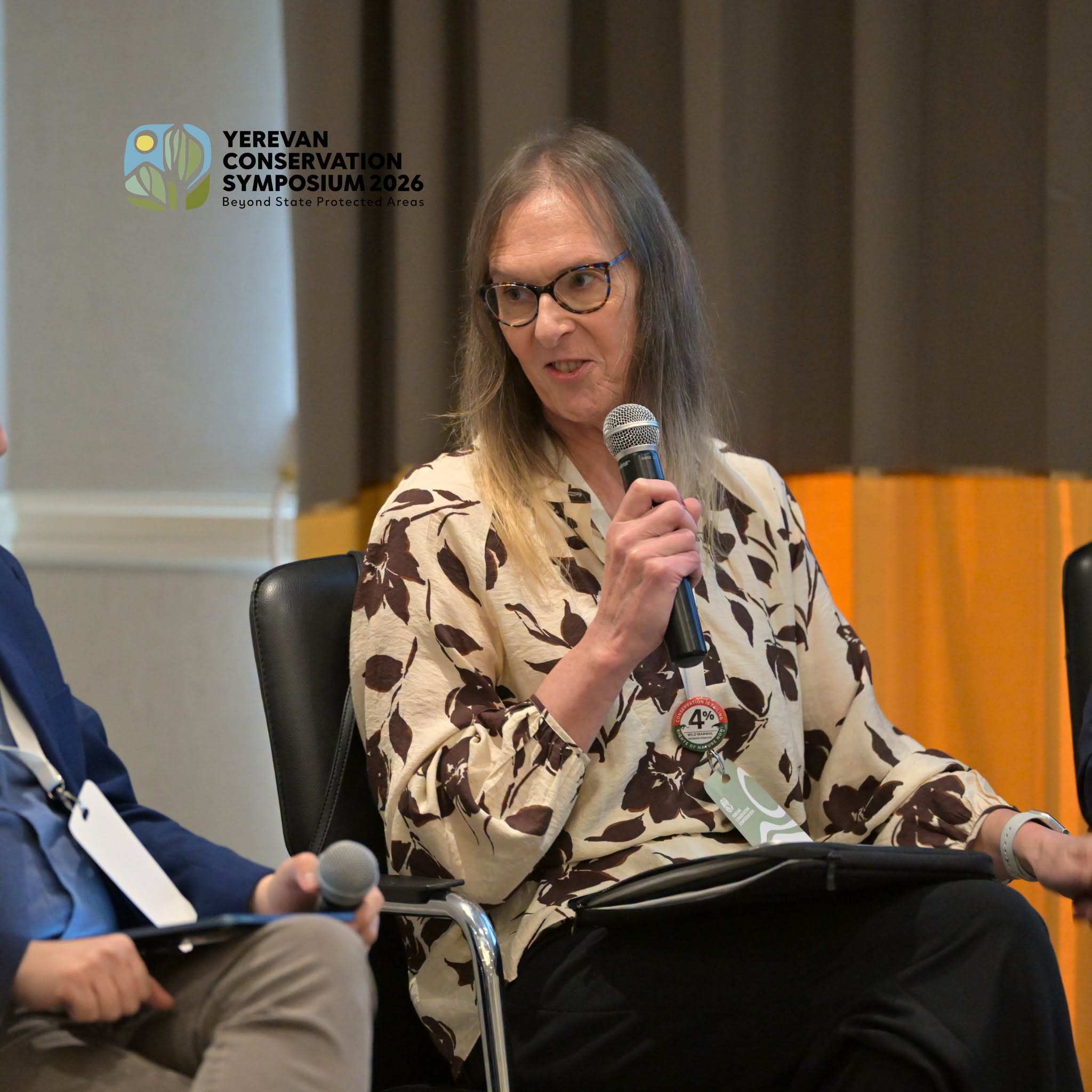
During the discussion, Catherine Barnard of the World Land Trust addressed the importance of effective dialogue between international donors and local organizations: “Our role is to serve as a bridge between international donors and local partners, reconciling global financial priorities with local real needs. Achieving global conservation targets requires flexible, long-term funding models and a readiness to take risks on innovative projects.”
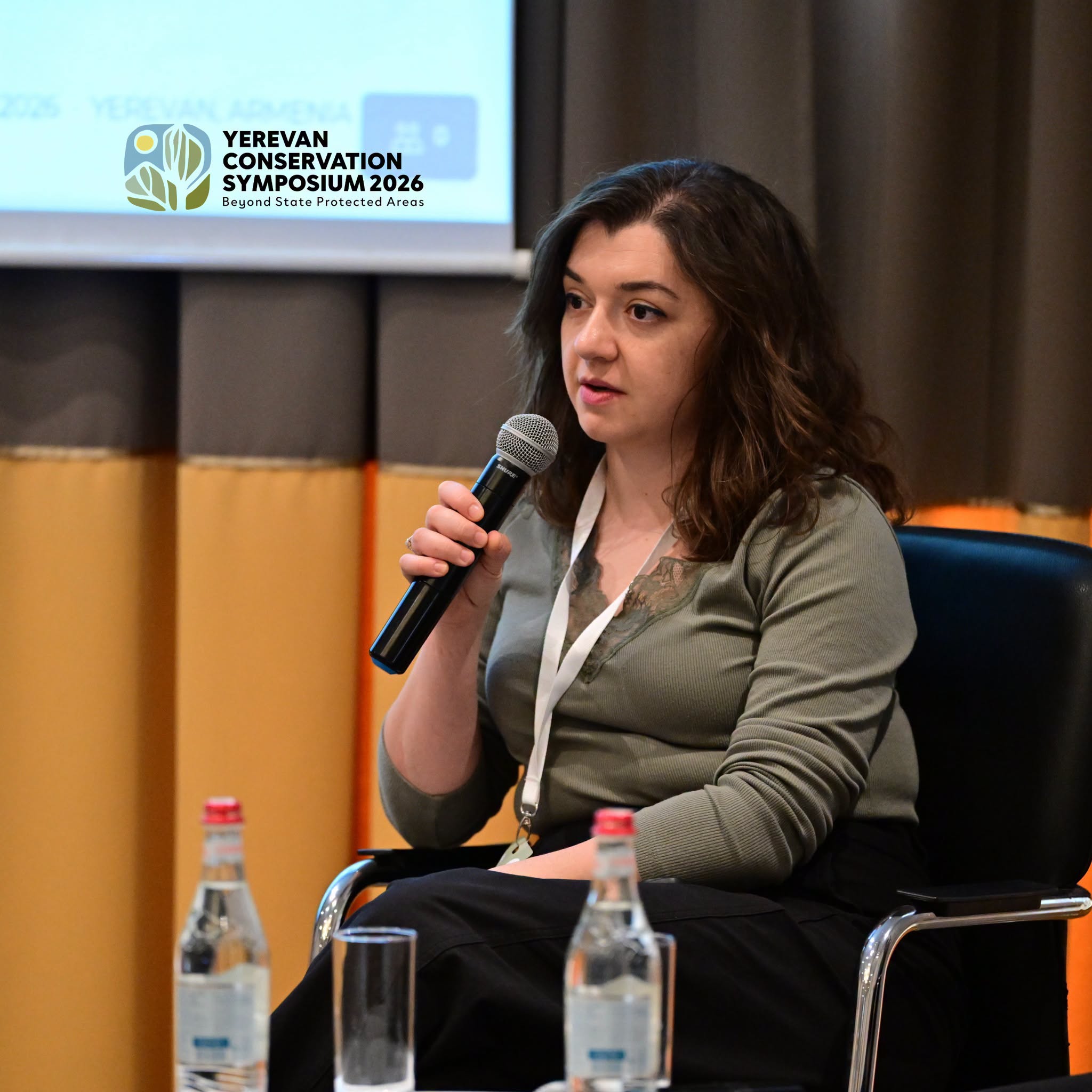
A vivid example of the practical success of such long-term partnership was presented by Sona Kalantaryan of the Foundation for the Preservation of Wildlife and Cultural Assets (FPWC), reflecting on the growth trajectory of the Caucasus Wildlife Refuge (CWR): “The Caucasus Wildlife Refuge started from just 500 hectares and, thanks to long-term collaboration with World Land Trust and our partners, has expanded to cover over 1% of Armenia's territory. Our main challenge is aligning long-term community needs with evolving international donor priorities.”
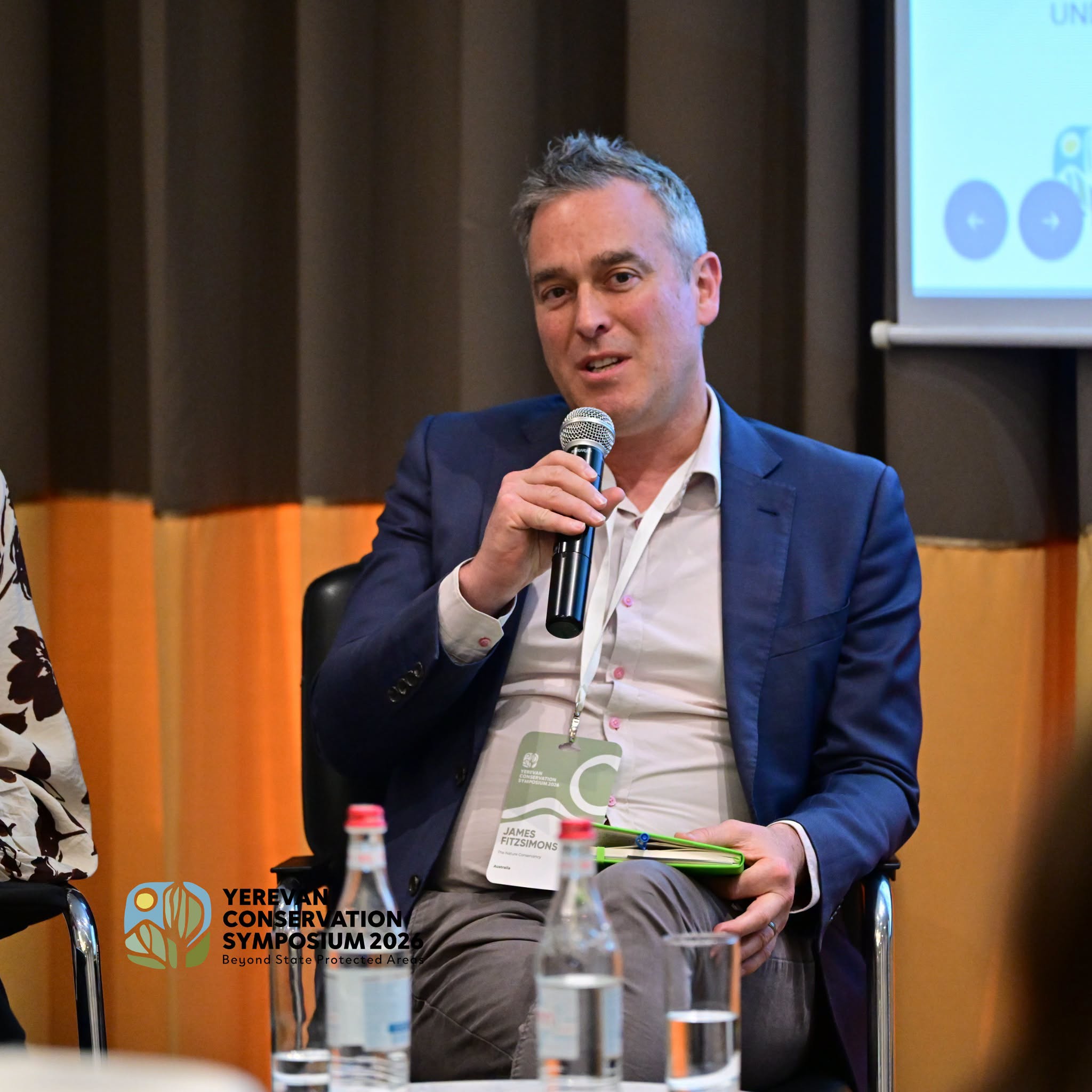
Perspectives on attracting new financial flows to expand privately protected areas were shared by James Fitzsimons of The Nature Conservancy and the IUCN World Commission on Protected Areas (WCPA): “Privately Protected Areas (PPAs) are of crucial importance for reaching the global 30x30 target. In Australia, we are supporting the establishment of the first national biodiversity market, which opens new opportunities to direct private capital toward nature conservation.”
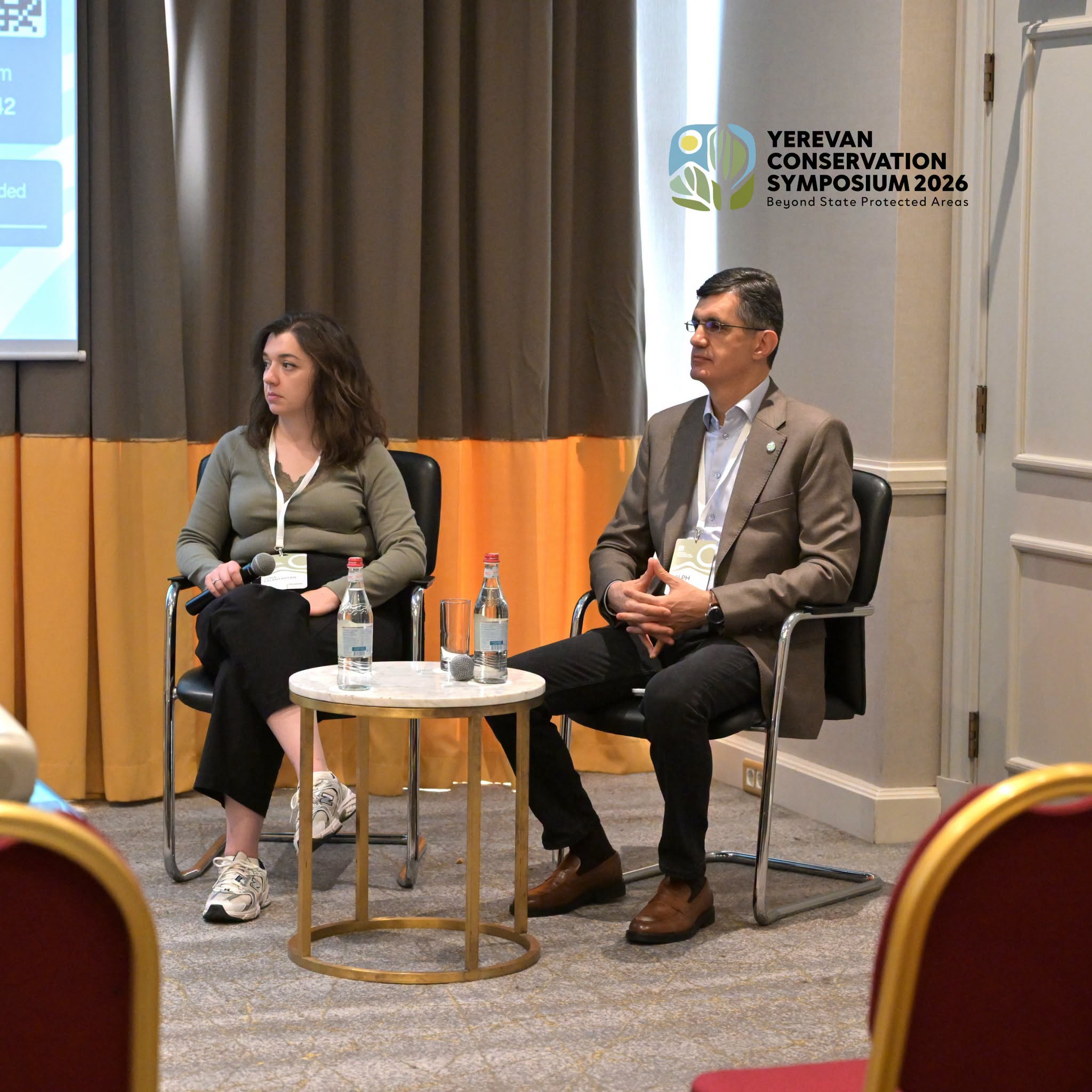
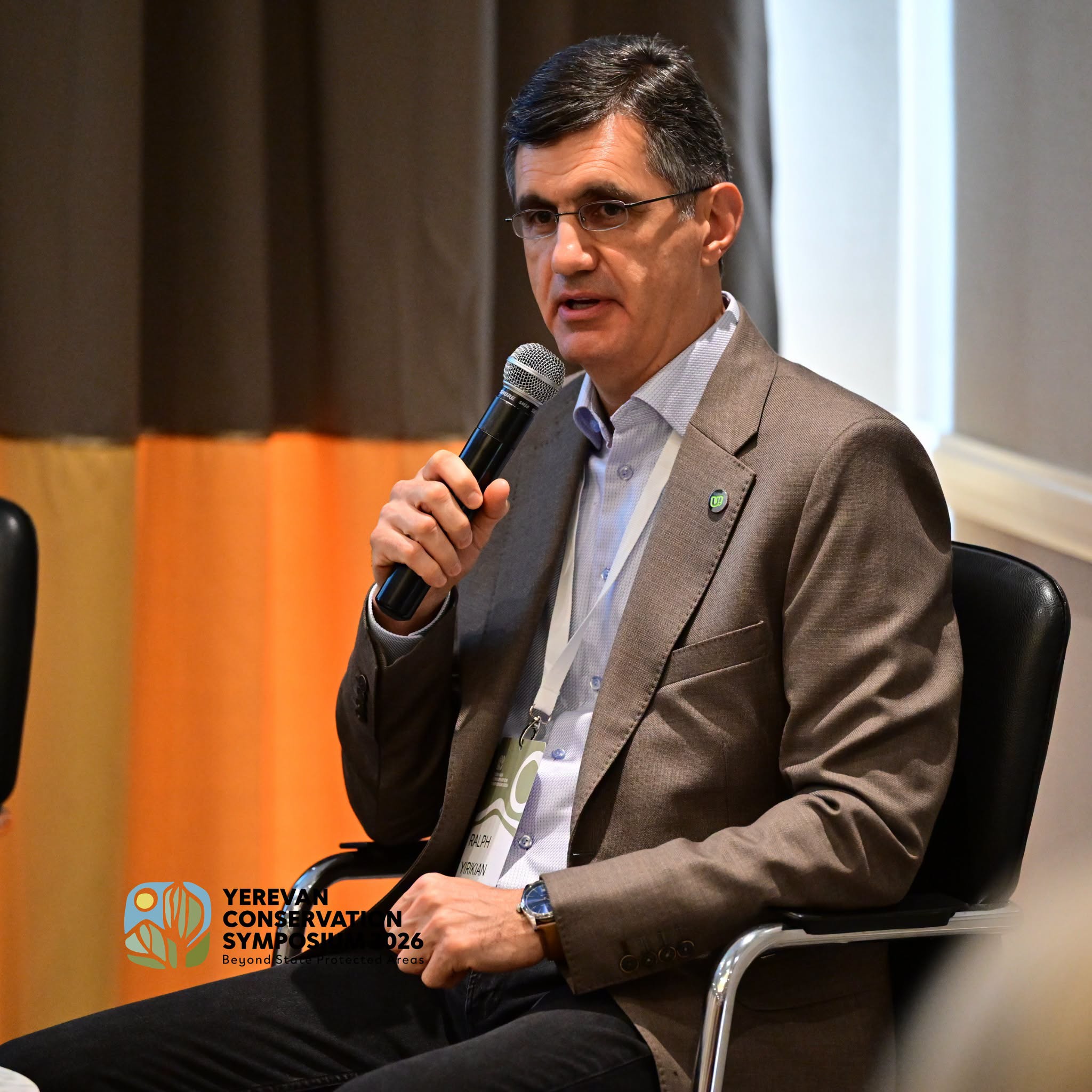
The theme of strategic private sector engagement was concluded by Ralph Yirikian, CEO of the symposium's strategic partner Ucom, emphasizing the importance of sustained investment: “As a Strategic Partner of the Symposium, Ucom views environmental protection not as short-term charity, but as strategic Corporate Social Responsibility (CSR). Systemic changes require years of consistent effort, and we remain committed to the vision of long-term sustainability.”
The panel discussion once again reaffirmed the participants' shared vision—to shape equitable, strategic, and long-term financial mechanisms for the effective conservation of biodiversity.