

Published on 26/10/2026
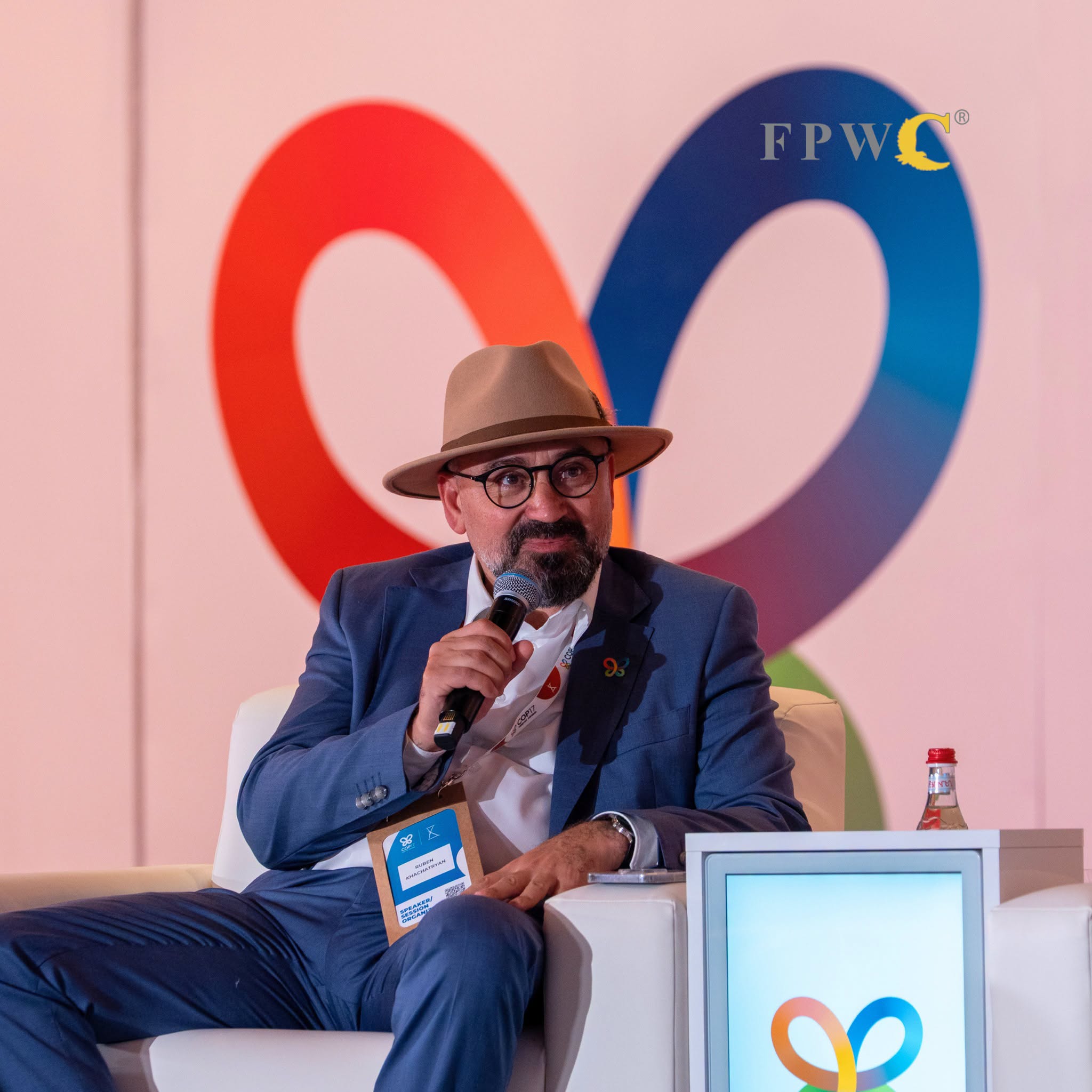
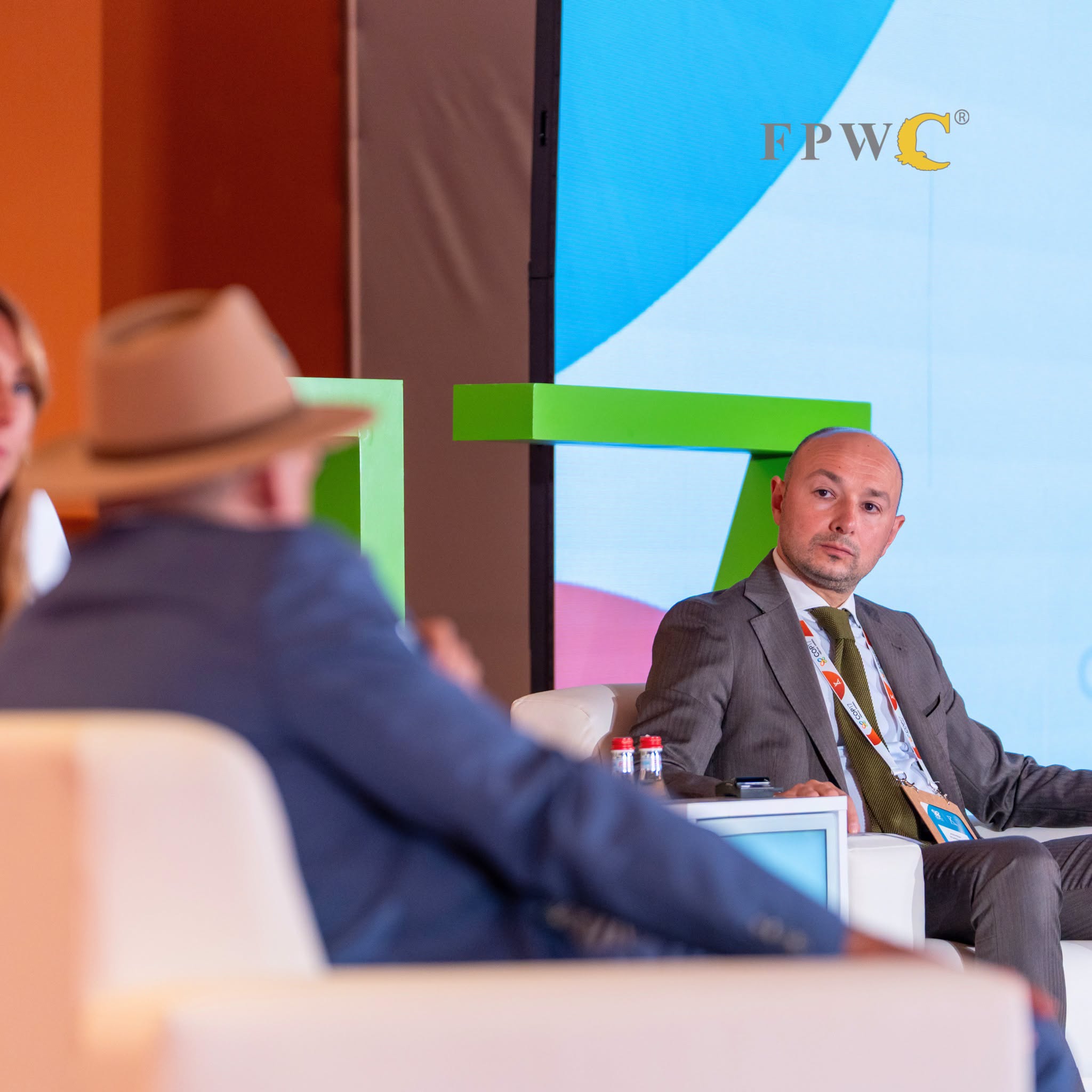
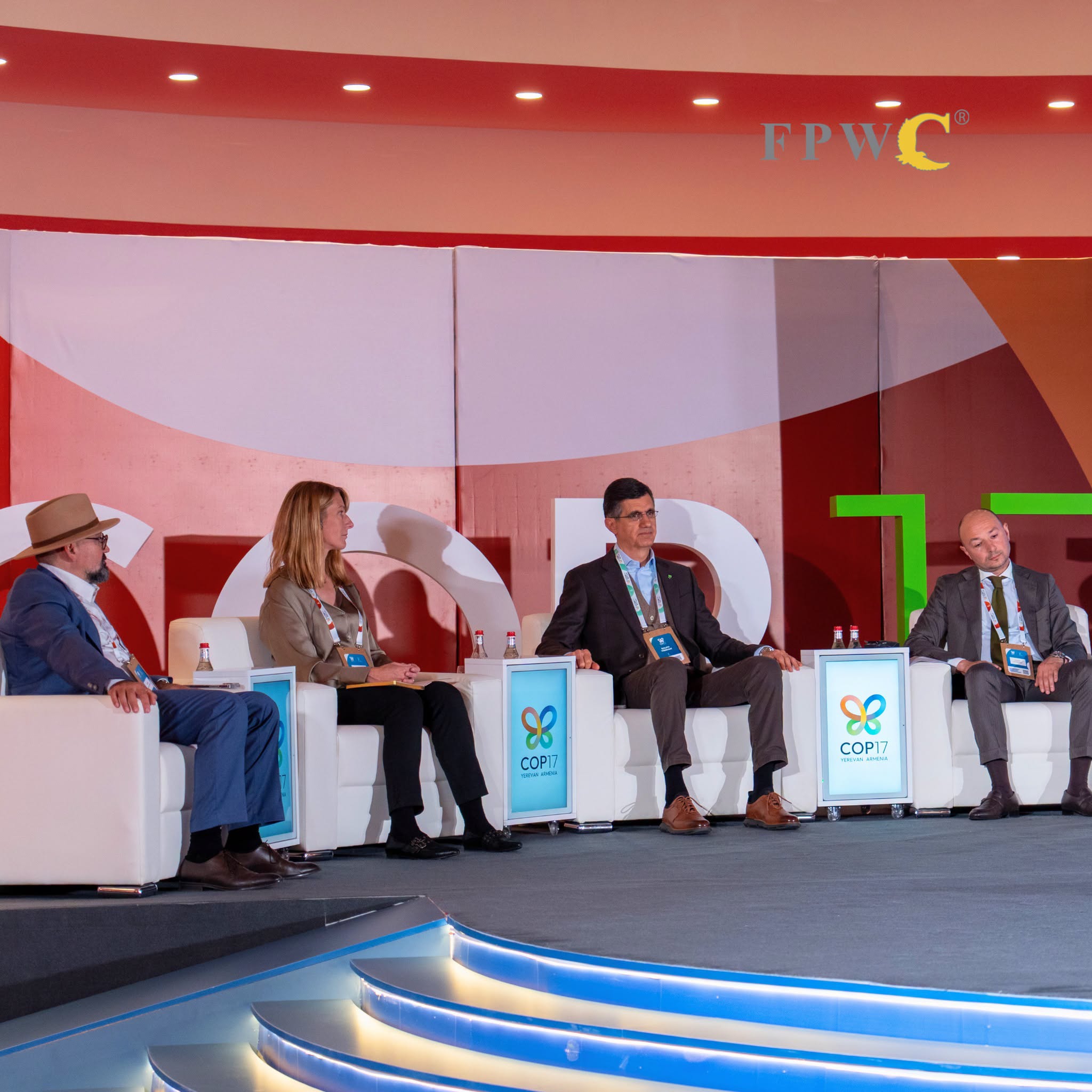
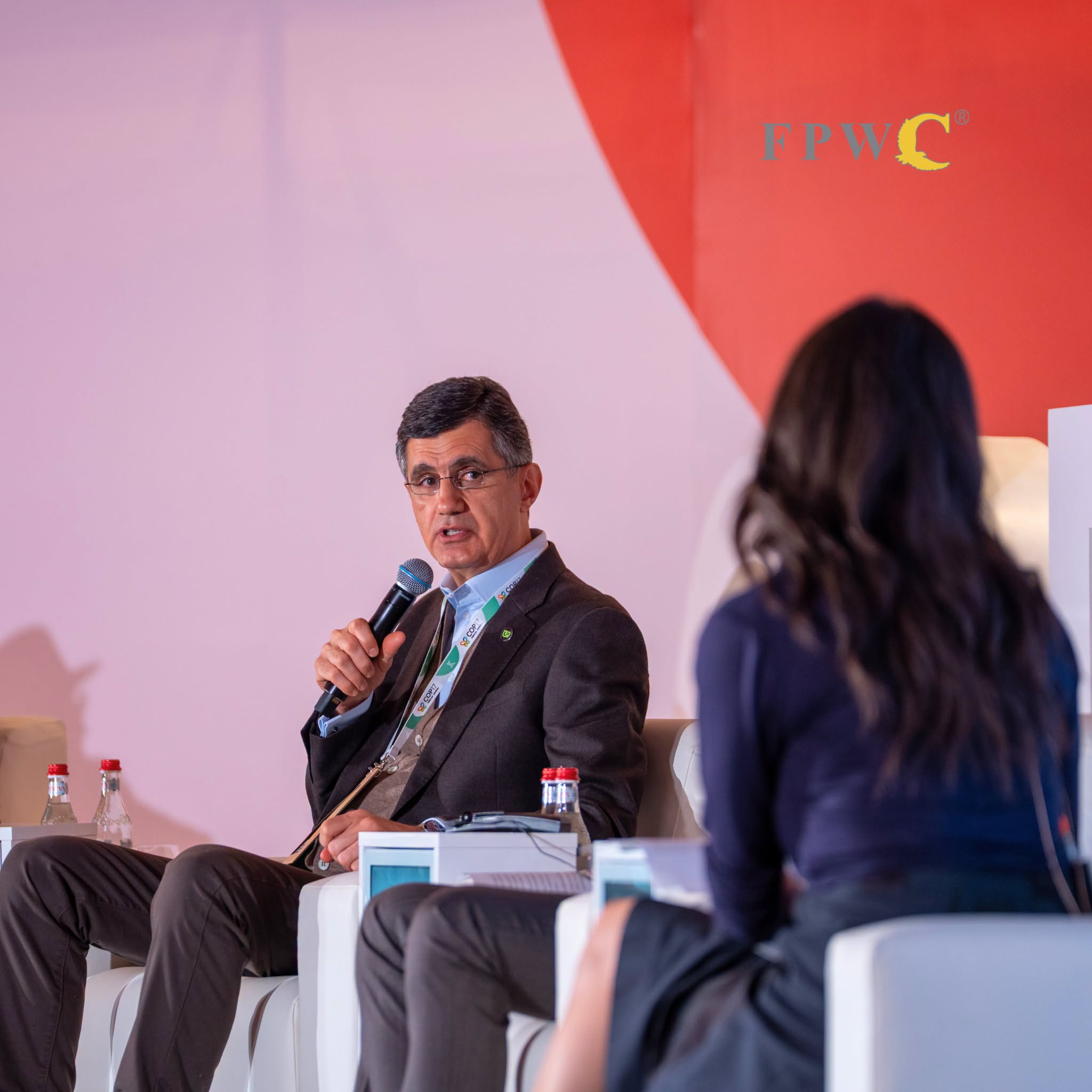
In the Green Zone of the 17th meeting of the Conference of the Parties to the Convention on Biological Diversity (COP17), a panel discussion titled “Connectivity as Conservation Infrastructure: Who Funds Coverage in Unpopulated Areas?” took place at the initiative of the Foundation for the Preservation of Wildlife and Cultural Assets (FPWC) and Ucom. The session centered on the challenges and practical solutions for ensuring uninterrupted network coverage in ecologically valuable yet unpopulated territories. Presenting the importance of connectivity from the perspective of field operations, Ruben Khachatryan, Founder and Director of FPWC, emphasized that reliable communication is vital both for ensuring the safety of rangers and for responding swiftly and effectively to environmental violations.
Sophie Maxwell of CCF substantiated the significance of technological infrastructure with successful international experience. According to her, experience across more than 50 protected areas in Africa demonstrates that the introduction of modern communication tools has reduced poaching incidents by up to 96%, while simultaneously creating effective mechanisms to prevent potential human-wildlife conflicts.
Addressing the commercial and regulatory aspects of providing connectivity in such territories, Ralph Yirikian, CEO of Ucom, noted that while building a network in unpopulated areas is a complex commercial decision, Ucom values the role of responsible business in nature conservation. In the context of making such initiatives systemic, Armen Hunanyan of the Public Services Regulatory Commission (PSRC) underscored the need to expand regulatory approaches, stating that beyond coverage obligations for populated settlements, it is time to discuss extending similar regulatory mechanisms to conservation areas as well.
The discussion once again highlighted the importance of joint efforts among state regulatory bodies, the private sector, and environmental organizations in turning telecommunications infrastructure into an effective tool for nature conservation.