
Published on 18/11/2025
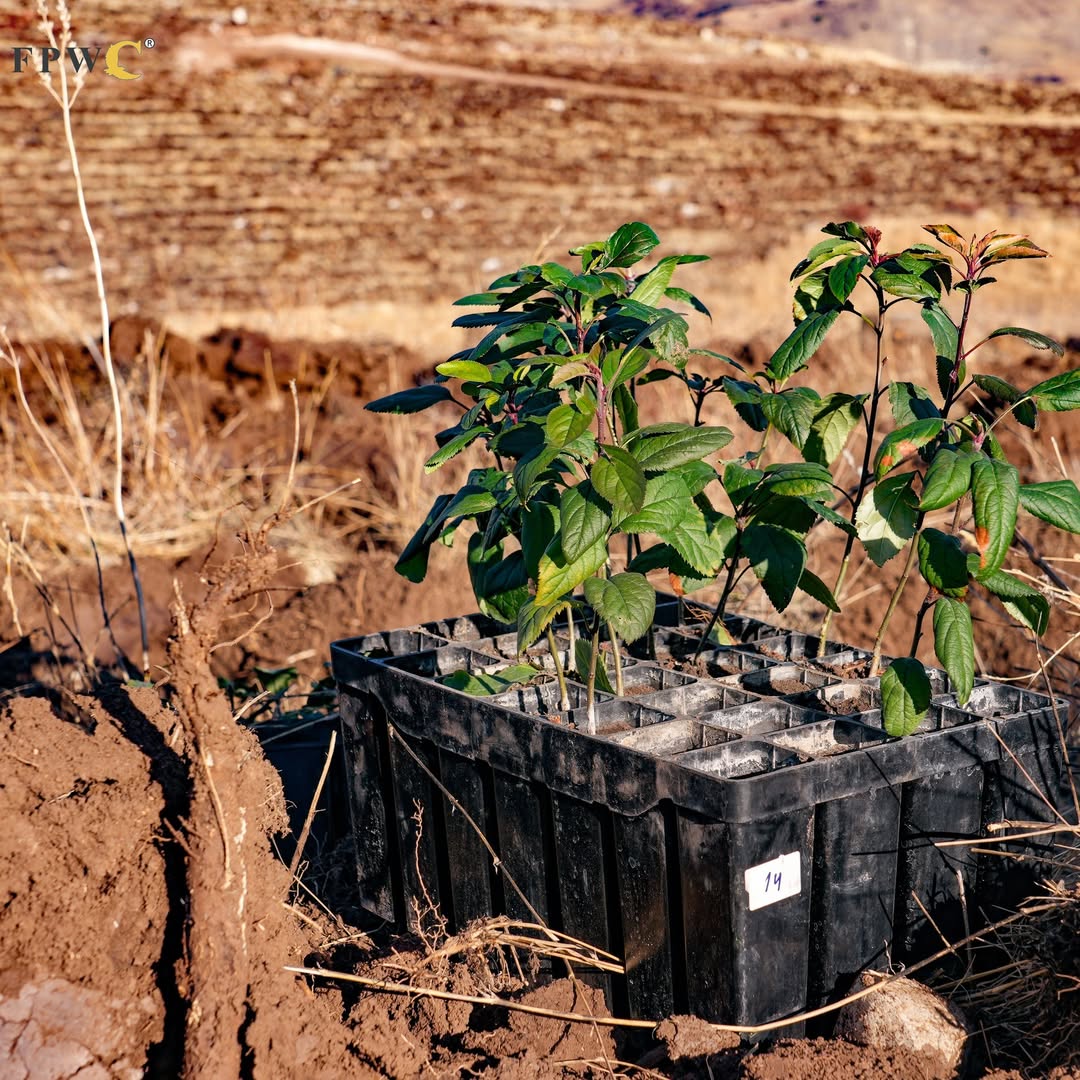
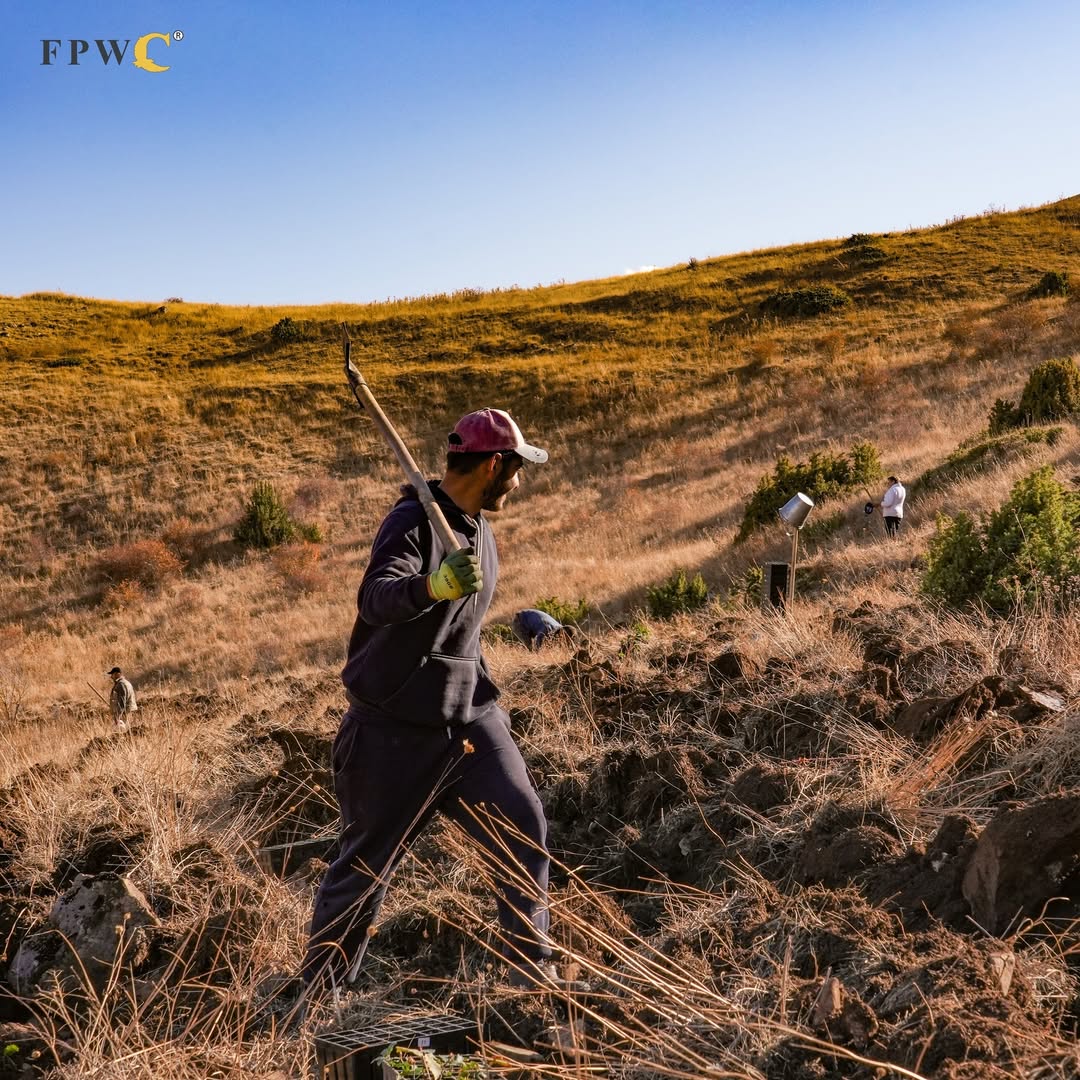
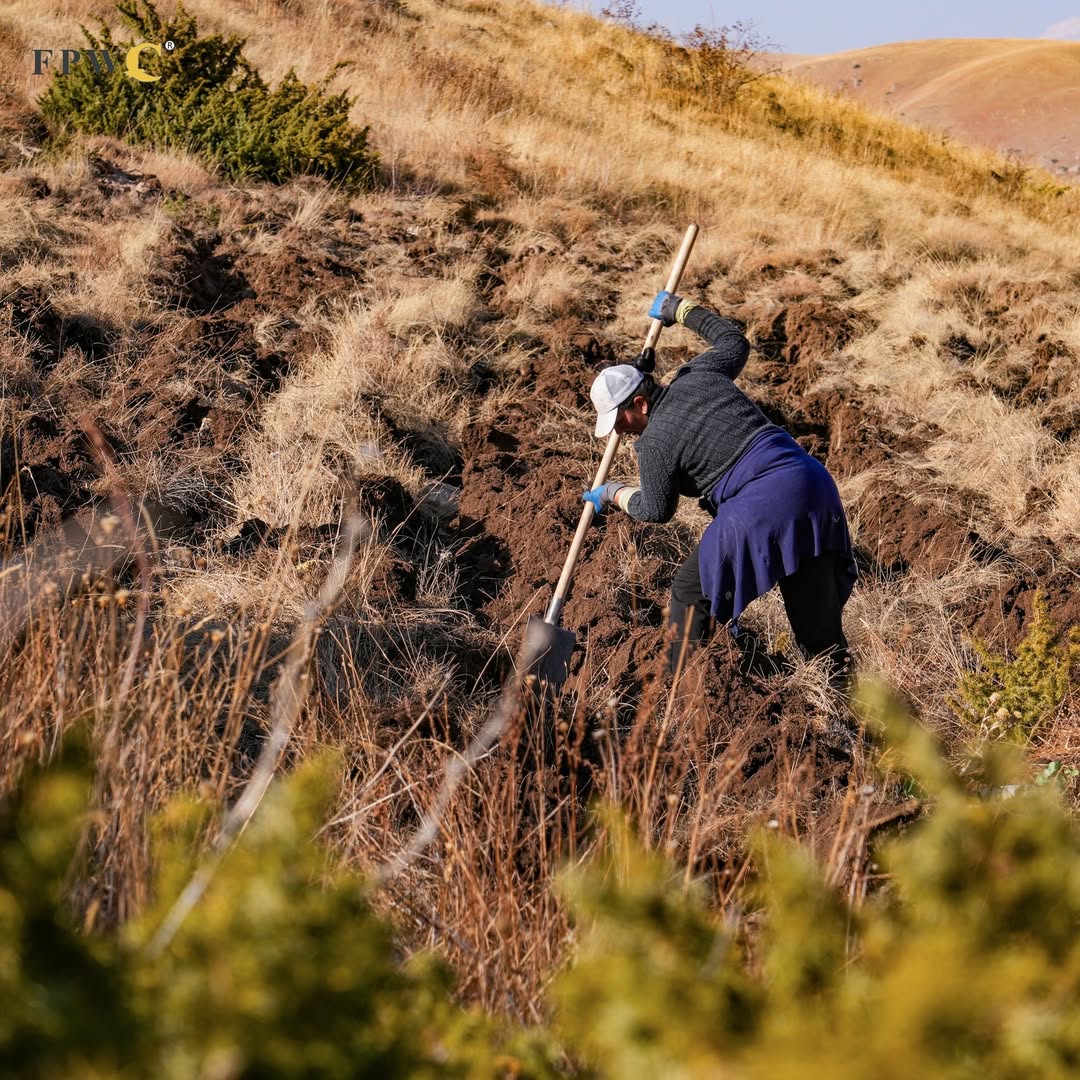
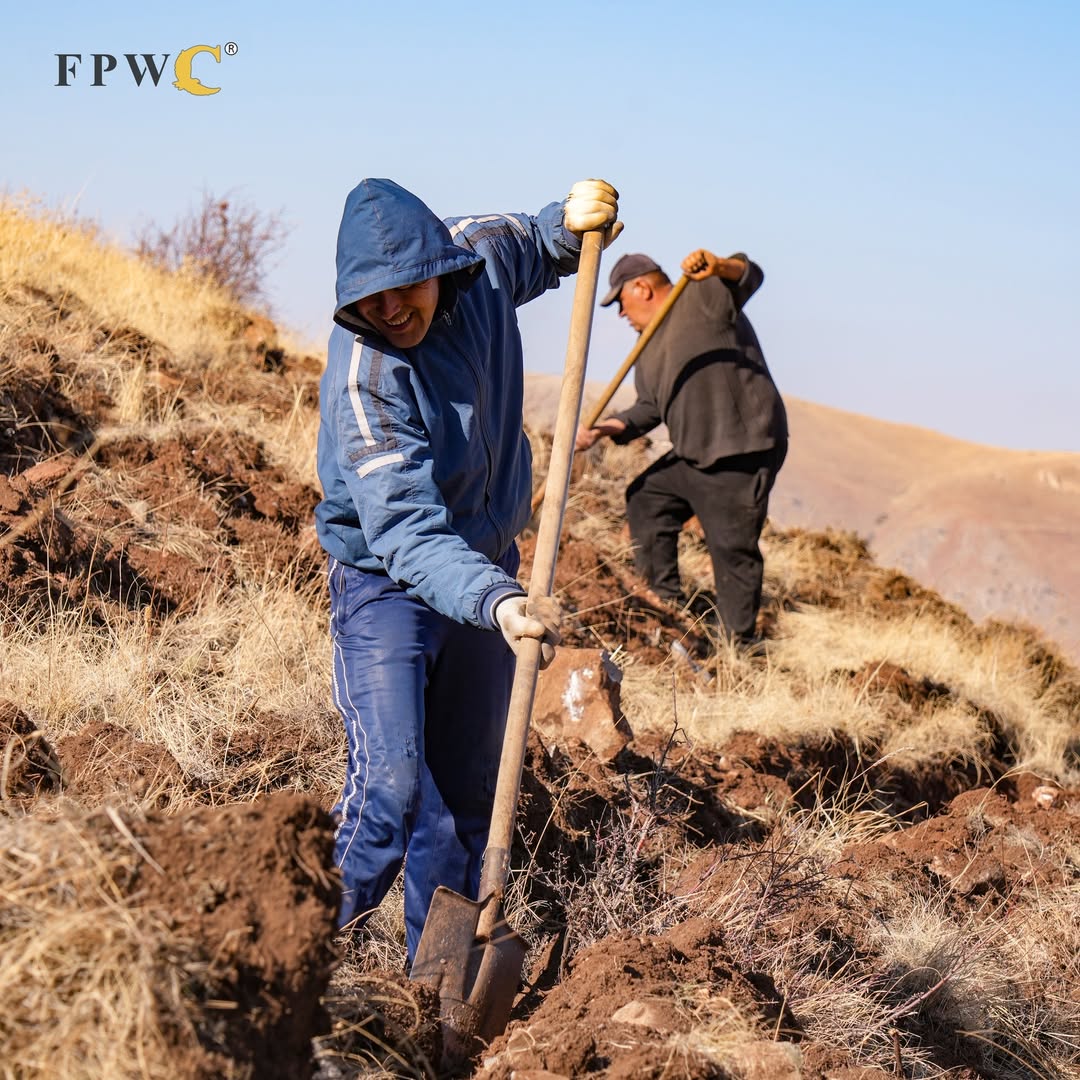
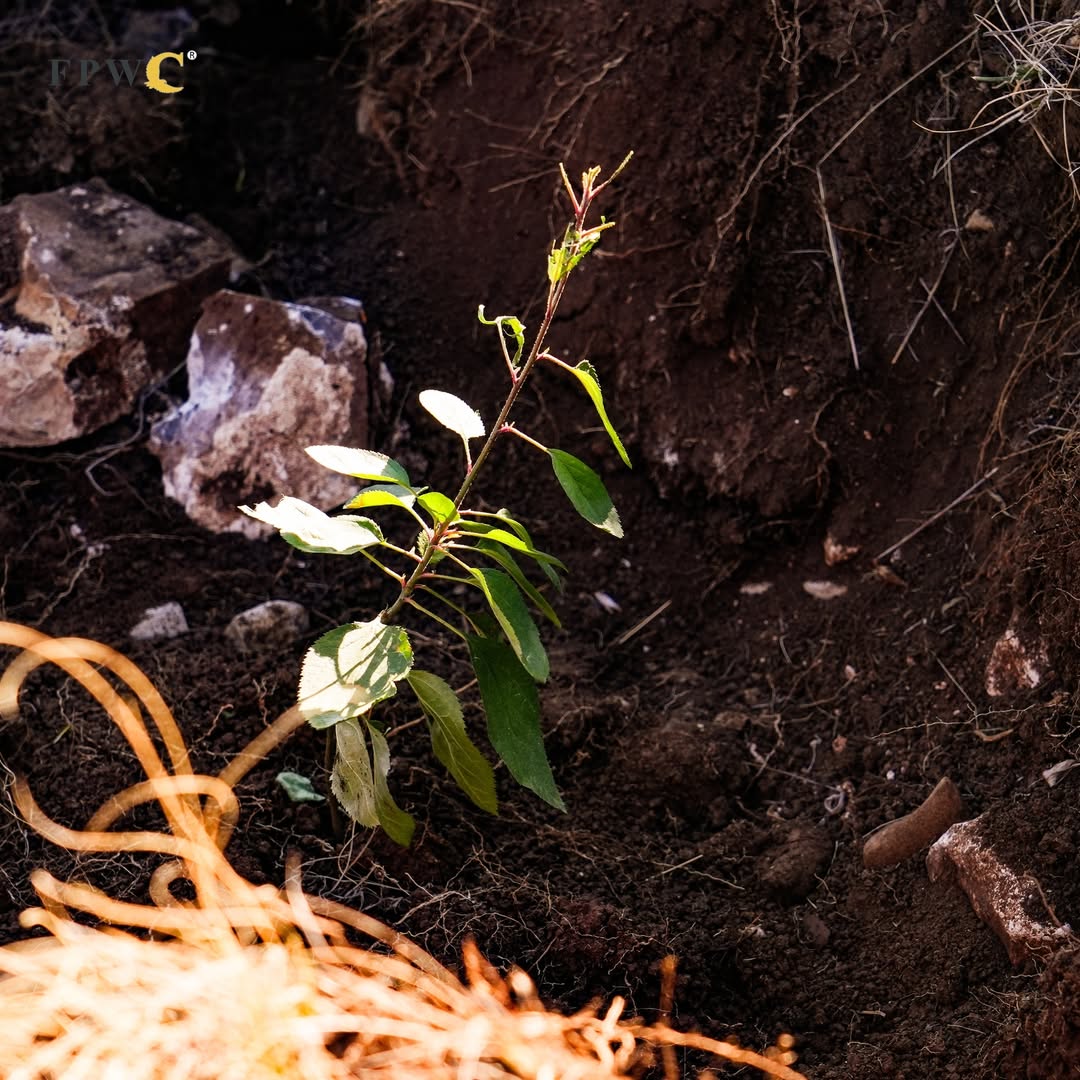
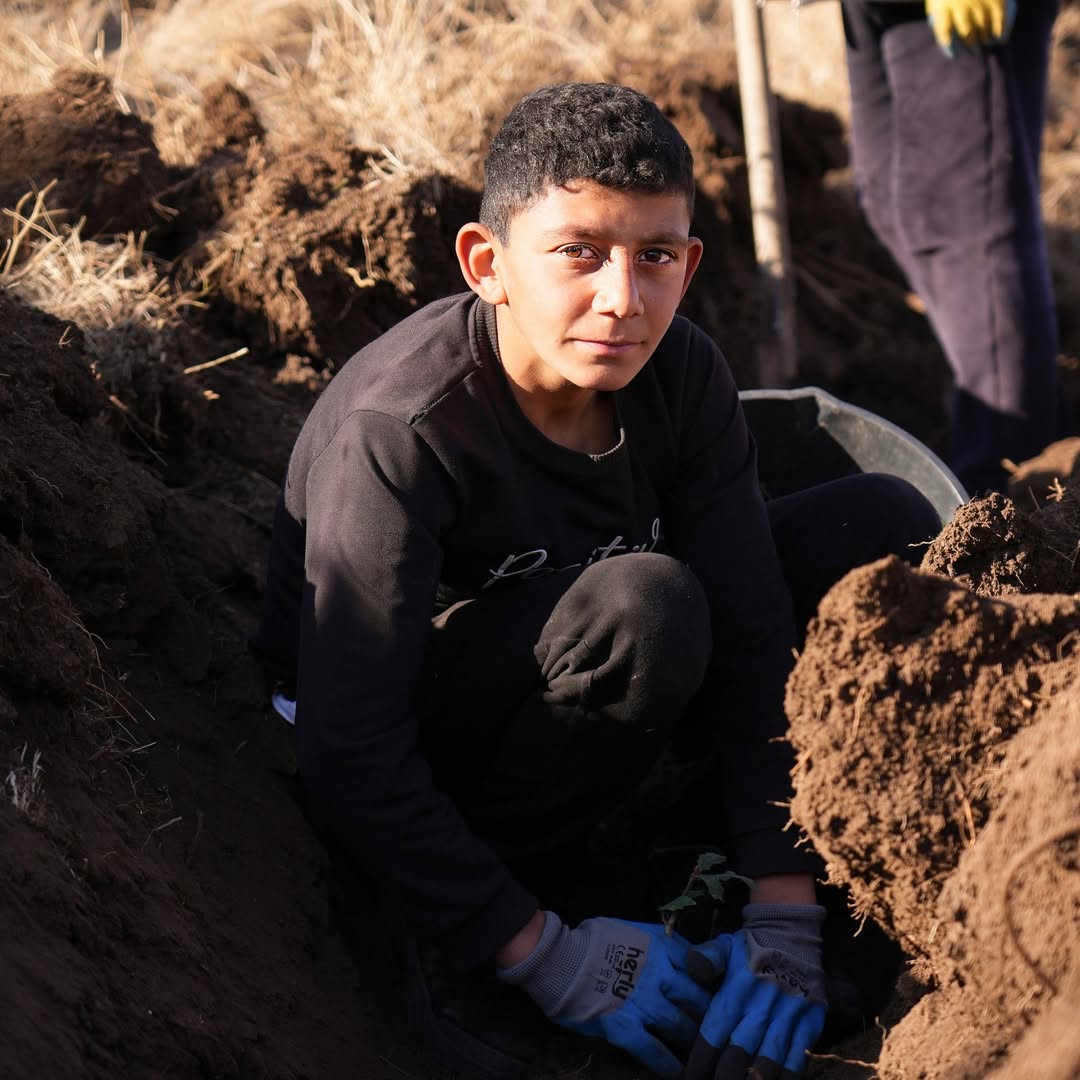
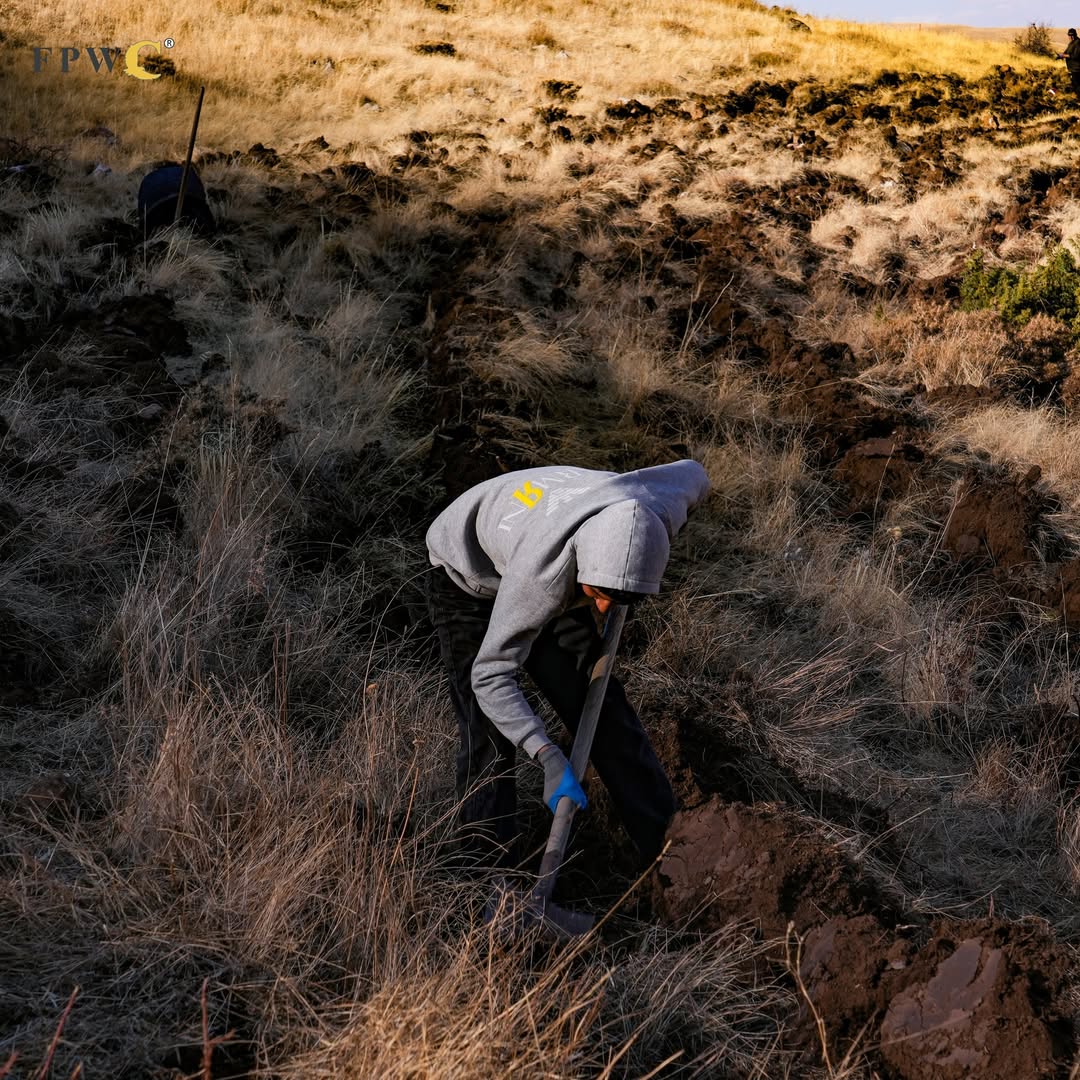
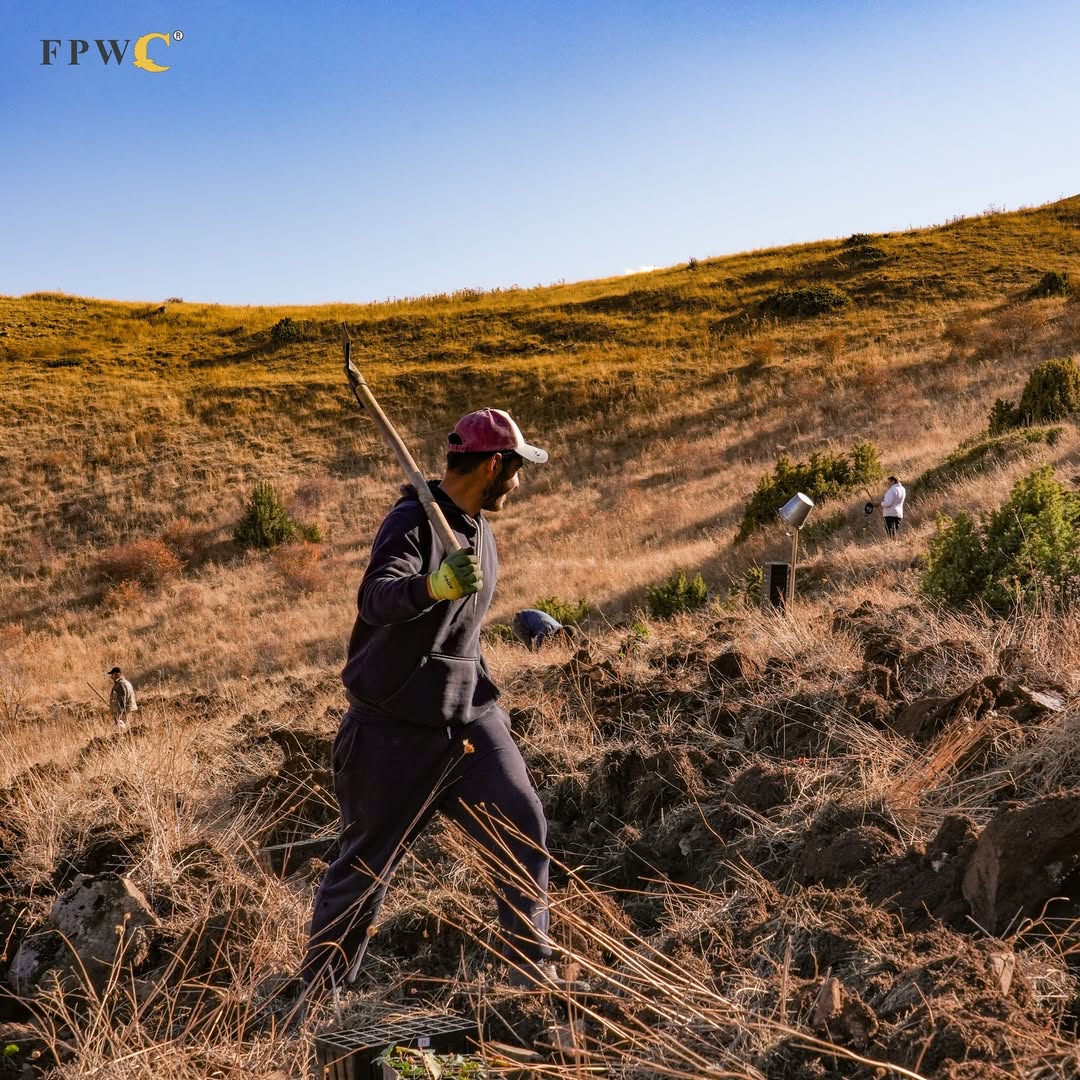
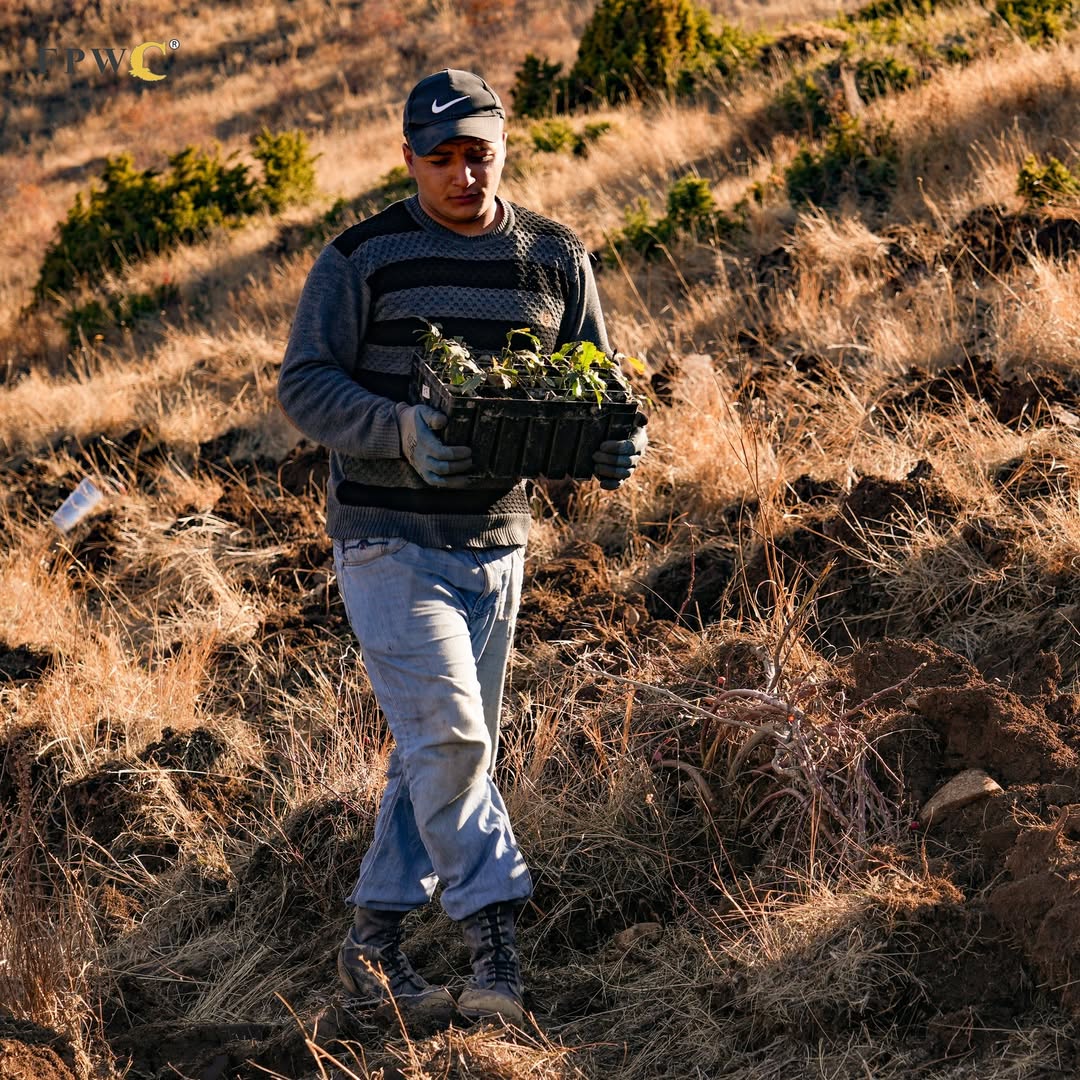
In autumn 2025, the Foundation for the Preservation of Wildlife and Cultural Assets (FPWC) successfully completed its seasonal tree-planting campaign, with more than 200,000 saplings planted across Armenia’s natural landscapes.
FPWC’s reforestation work prioritizes quality, scientific planning, and long-term impact, rather than numbers alone. All planting activities are implemented using the Target Plant Concept (TPC)—a methodology designed to ensure the highest possible establishment and survival rates for trees.
Our approach includes:
Seed selection: Using seeds from endemic (native) plant species specific to each target landscape.
Adaptation: Growing and nurturing saplings in FPWC nurseries under conditions that mirror their final planting sites.
High survival rates: Because saplings are pre-adapted to local climate and soil conditions, their establishment rates are exceptionally high.
Beyond forest restoration, this work contributes to the creation of wild edible forests. These landscapes provide critical food sources for wildlife—such as bears, wild boars, and wild goats—helping to reduce animal movement into human settlements and supporting long-term human–wildlife coexistence.
Through science-based reforestation, FPWC continues to restore ecosystems, strengthen biodiversity, and build resilient natural landscapes across Armenia.