
AT COP17

The Convention on Biological Diversity (CBD) is one of the world's most important international environmental treaties, with 196 signatory nations committed to conserving biodiversity, ensuring its sustainable use, and guaranteeing the fair and equitable sharing of benefits from genetic resources. Adopted at the Rio Earth Summit in 1992, it remains the global legal framework for protecting life on Earth.
The Conference of the Parties is the CBD's governing body — the assembly of all signatory nations that meets every two years to assess progress, set new targets, and make binding decisions on biodiversity protection. Think of it as the world's parliament for nature.
COP17 in Yerevan will be the first global review of collective progress under the Kunming-Montreal Global Biodiversity Framework (KMGBF) — the landmark agreement adopted in 2022 that set ambitious targets to halt biodiversity loss by 2030, including protecting 30% of the planet's land and oceans. The review will determine whether the world is on track, and where urgent acceleration is needed.
Armenia sits at the crossroads of Europe and Asia, within one of the world's most biodiverse regions. The Caucasus is recognized as a global biodiversity hotspot, home to thousands of plant and animal species found nowhere else on Earth. By hosting COP17, Armenia signals that small nations can lead on nature — and that the Caucasus is central, not peripheral, to the global biodiversity story.
The Foundation for the Preservation of Wildlife and Cultural Assets (FPWC) is Armenia's leading wildlife conservation organization and the country's official BirdLife International Partner. As host of the Caucasus Wildlife Refuge — the South Caucasus's largest privately protected area — FPWC has spent two decades proving that communities, science, and committed conservation can restore even the most threatened landscapes.
At COP17, FPWC steps forward as Armenia's civil society anchor: convening global experts, showcasing community-led conservation models, connecting international delegates with Armenia's living natural heritage, and advocating for the legal recognition of privately protected and community-conserved areas within national biodiversity frameworks.
FPWC's work at and around COP17 spans four interconnected roles: thought leadership through the Yerevan Conservation Symposium 2026; environmental culture through the SunChild Environmental Film Festival; conservation action through wildlife rescue, reforestation, and ecotourism; and policy advocacy for OECMs and private conservation.
Contribute to biodiversity restoration and nature recovery in Armenia while attending COP17. Your support helps fund reforestation, wildlife conservation, and habitat restoration projects that deliver measurable benefits for biodiversity and support climate resilience.
FPWC's flagship reforestation and wildlife habitat restoration program. Through tree planting in degraded Armenian landscapes, we sequester carbon while rebuilding ecosystems that support hundreds of species. Sponsor a tree — or an entire grove — and watch Armenia's forests come back to life.
Armenia's bears deserve a life in the wild. FPWC operates the country's only bear rescue and rehabilitation centre, caring for bears rescued from inhumane captivity and preparing them for eventual release. Your sponsorship covers veterinary care, enrichment, and the long road back to the wild.
Not sure where to direct your support? The FPWC Wildlife Conservation Fund puts your donation to work across our full portfolio — from raptor monitoring to anti-poaching patrols to endangered plant restoration. Every contribution directly funds conservation in the Caucasus.
In the weeks before world leaders gather for COP17, FPWC is convening the High-Level Pre-COP17 Global Symposium — a dedicated platform for conservation scientists, policymakers, indigenous leaders, and civil society to sharpen the agenda before the formal negotiations begin.
Centered on the theme 'Communities and the State: Making Conservation Whole,' the Symposium places community-conserved areas, privately protected land, and Other Effective Area-based Conservation Measures (OECMs) at the center of global biodiversity policy. The goal: ensure that the Kunming-Montreal Framework's 30x30 targets count every conservation actor — not just state-managed protected areas.
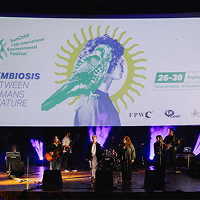
Now in its 14th edition and marking its 20th anniversary, the SunChild International Environmental Film Festival returns to Yerevan as COP17 approaches — bringing the world’s most powerful environmental storytelling to Armenian and international audiences. From frontline climate stories to wildlife portraits to indigenous voices, SunChild proves that film can move people where policy alone cannot.
COP17 delegates and visitors are invited to attend screenings, engage with filmmakers, and experience Armenia's growing culture of environmental consciousness — on screen and in the landscapes that inspired it.
Follow FPWC's work as Armenia prepares to host the world's most important biodiversity summit. From policy developments to field conservation milestones, this is where Armenia's COP17 story unfolds.
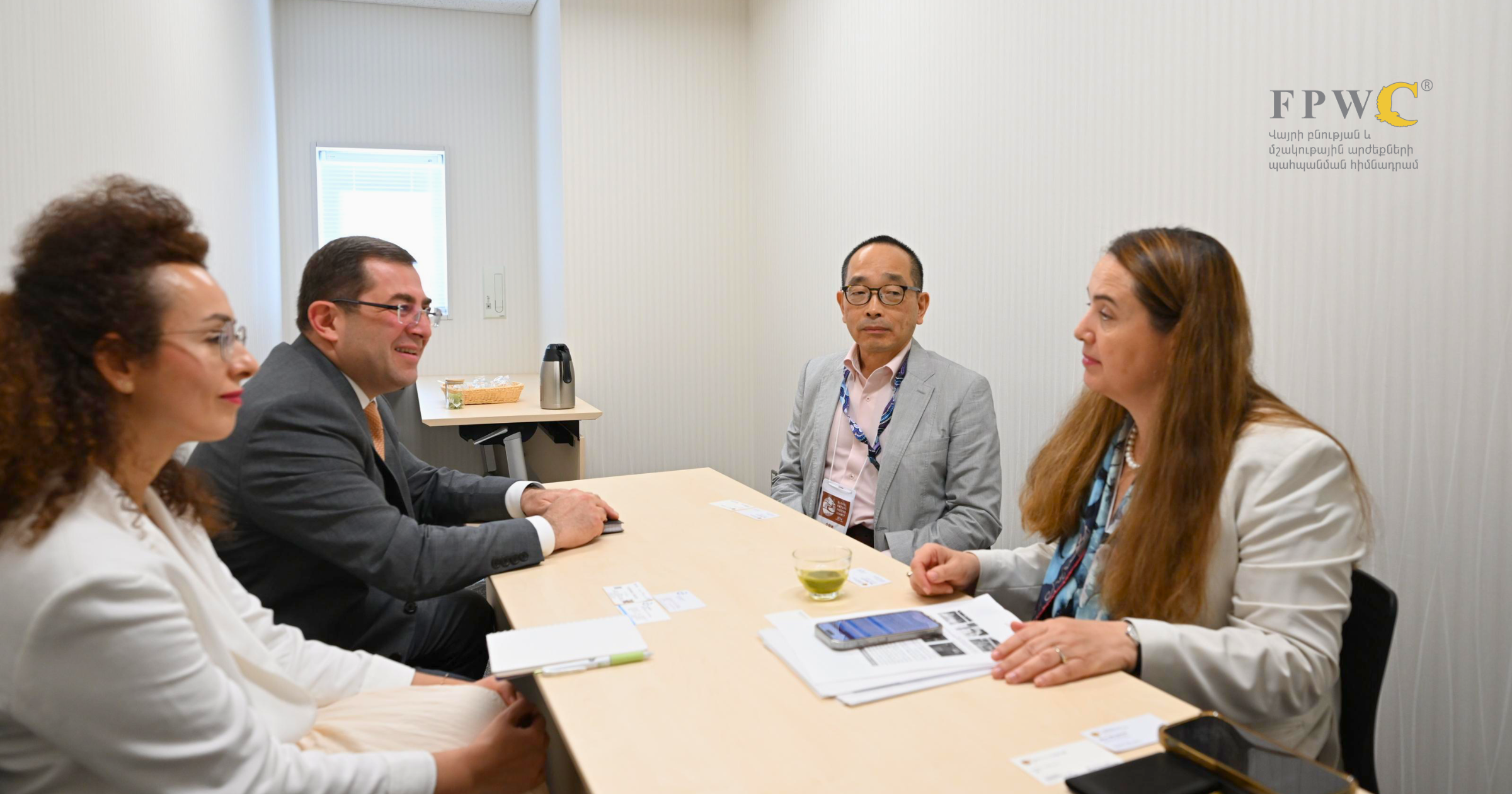
On July 15, 2026, the second Global Nature Positive Summit successfully concluded in Kumamoto, Japan, with participating organizations adopting the historic "Kumamoto Declaration." The Declaration ...
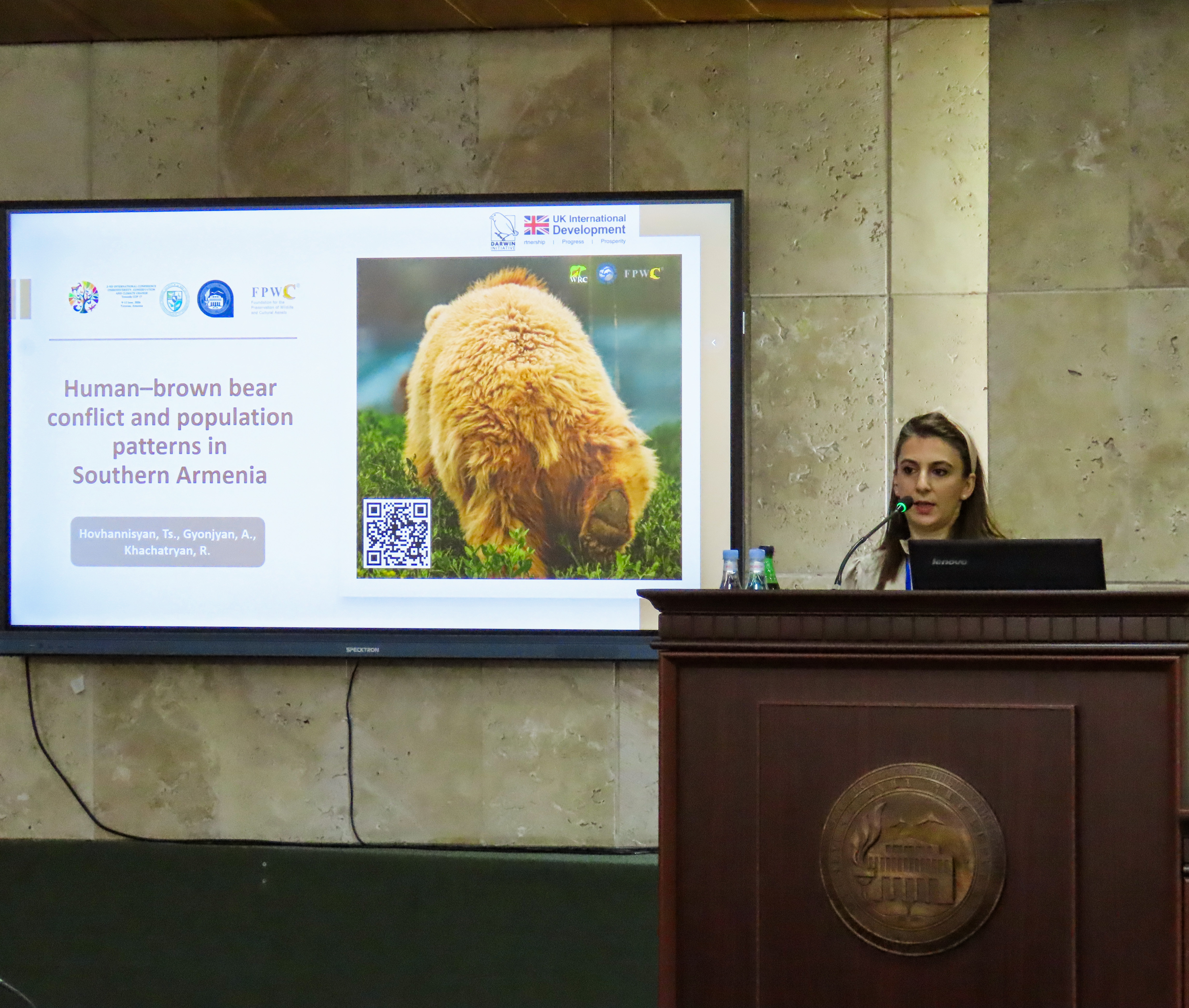
The 2nd International Conference "Biodiversity, Conservation and Climate Change (Towards COP17)" took place in Yerevan from June 9 to 12 this year. This major scientific event was organized by the ...
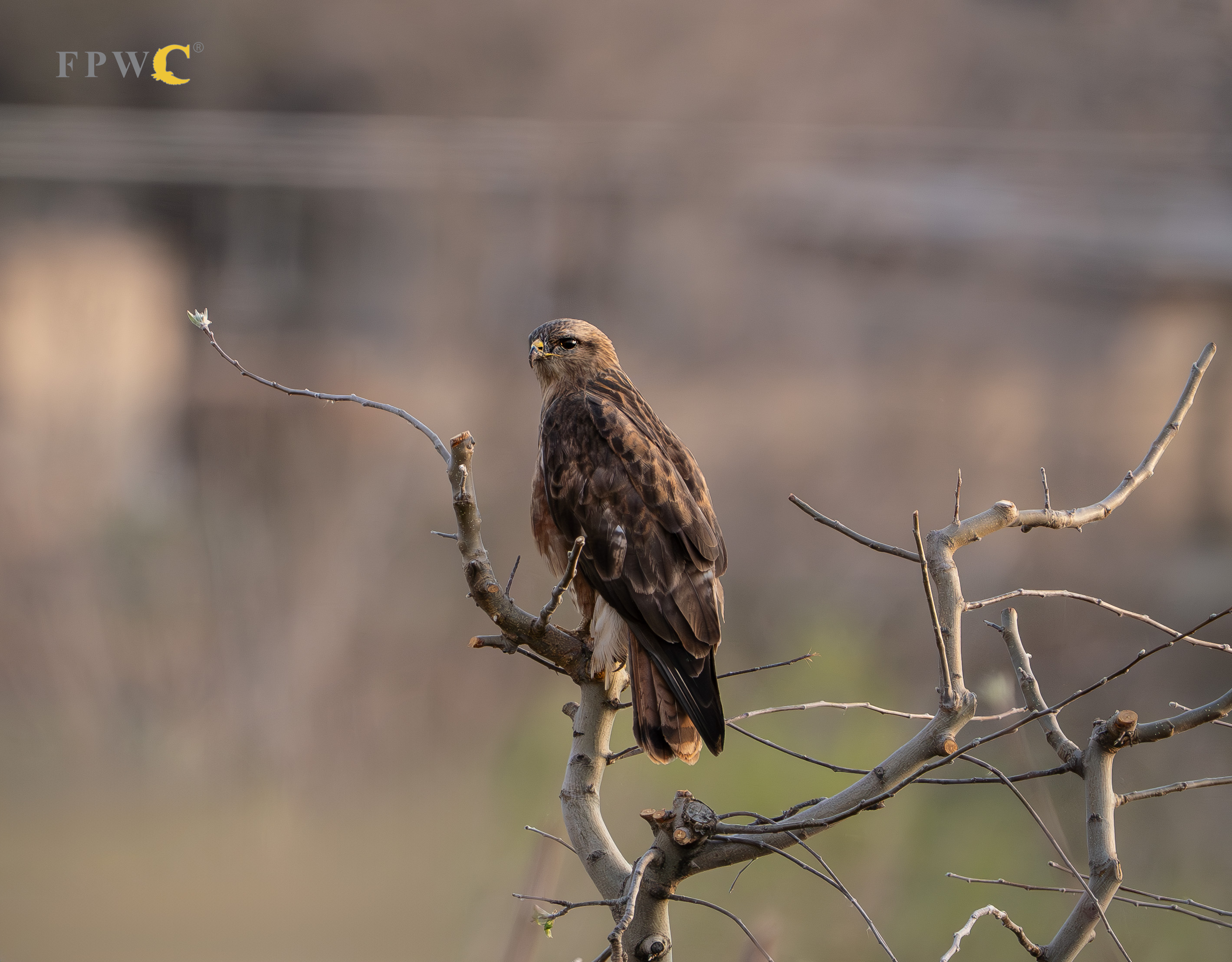
Armenia is small on the map, but when you begin to travel through it, you understand that it is measured not in kilometers, but in feelings. Every region here has its own story, its own color, its ...
Every April 22nd, people around the world come together to celebrate Earth Day—a global reminder that we all share a responsibility to protect our planet. Since its beginning in 1970, Earth D...
COP17 brings the world to Yerevan. Let FPWC take you beyond the conference hall and into the landscapes that make Armenia worth protecting. Our guided eco-tours and eco-lodges inside and around the Caucasus Wildlife Refuge offer delegates, journalists, and conservation travelers an experience that no policy document can replicate: the Caucasus, wild and alive.

