
Published on 14/06/2026
The 2nd International Conference "Biodiversity, Conservation and Climate Change (Towards COP17)" took place in Yerevan from June 9 to 12 this year. This major scientific event was organized by the Scientific Center of Zoology and Hydroecology of the National Academy of Sciences of the Republic of Armenia (NAS RA) and Yerevan State University (YSU).
Over the course of four days, the conference brought together leading local and international scientists, young researchers, experts, and partner organizations to discuss pressing issues of vital importance to our planet and region.
The Foundation for the Preservation of Wildlife and Cultural Assets (FPWC) actively participated in the conference, presenting its years of experience and scientific research achievements.
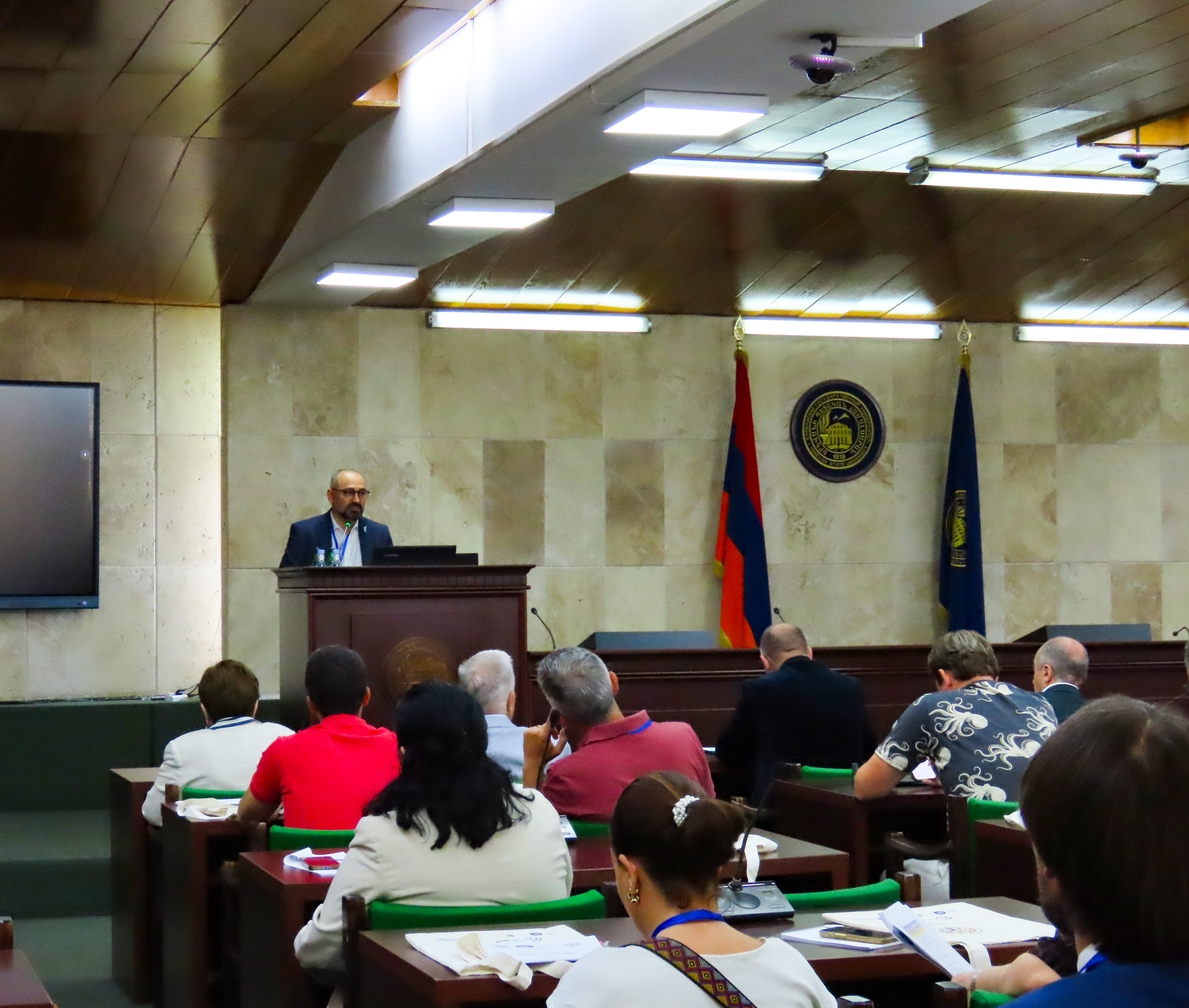
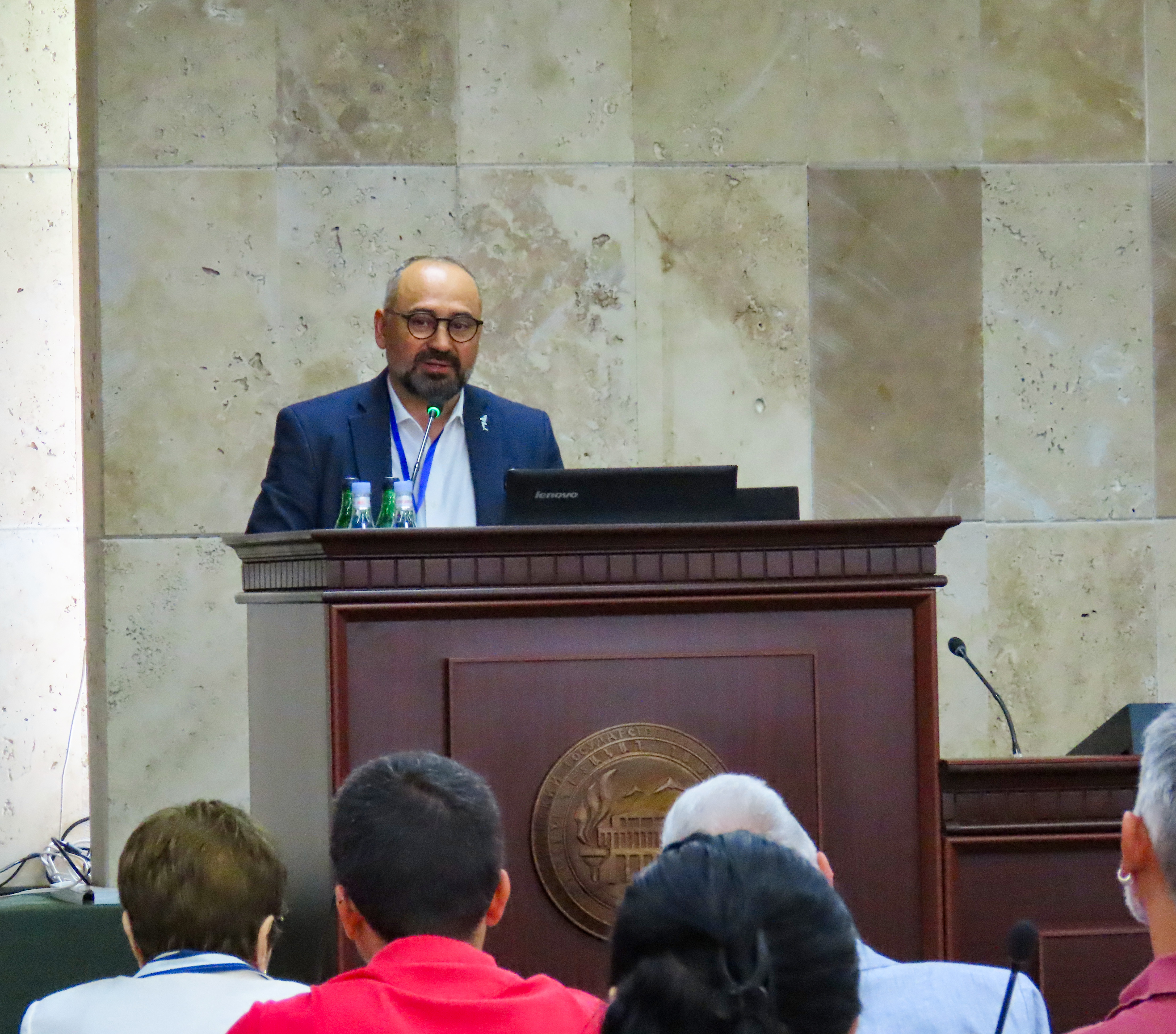
Ruben Khachatryan, the Founder-Director of FPWC, delivered the opening remarks at the conference's official launch. In his speech, he particularly emphasized the integration of science-based solutions into practical conservation:
"In the face of contemporary ecological crises and climate change, nature conservation cannot be limited to emotional steps alone. Any environmental intervention and strategy must have a solid scientific foundation. The integration of science and practical field work is the only way we can achieve sustainable results as we head towards COP17," stated Ruben Khachatryan.
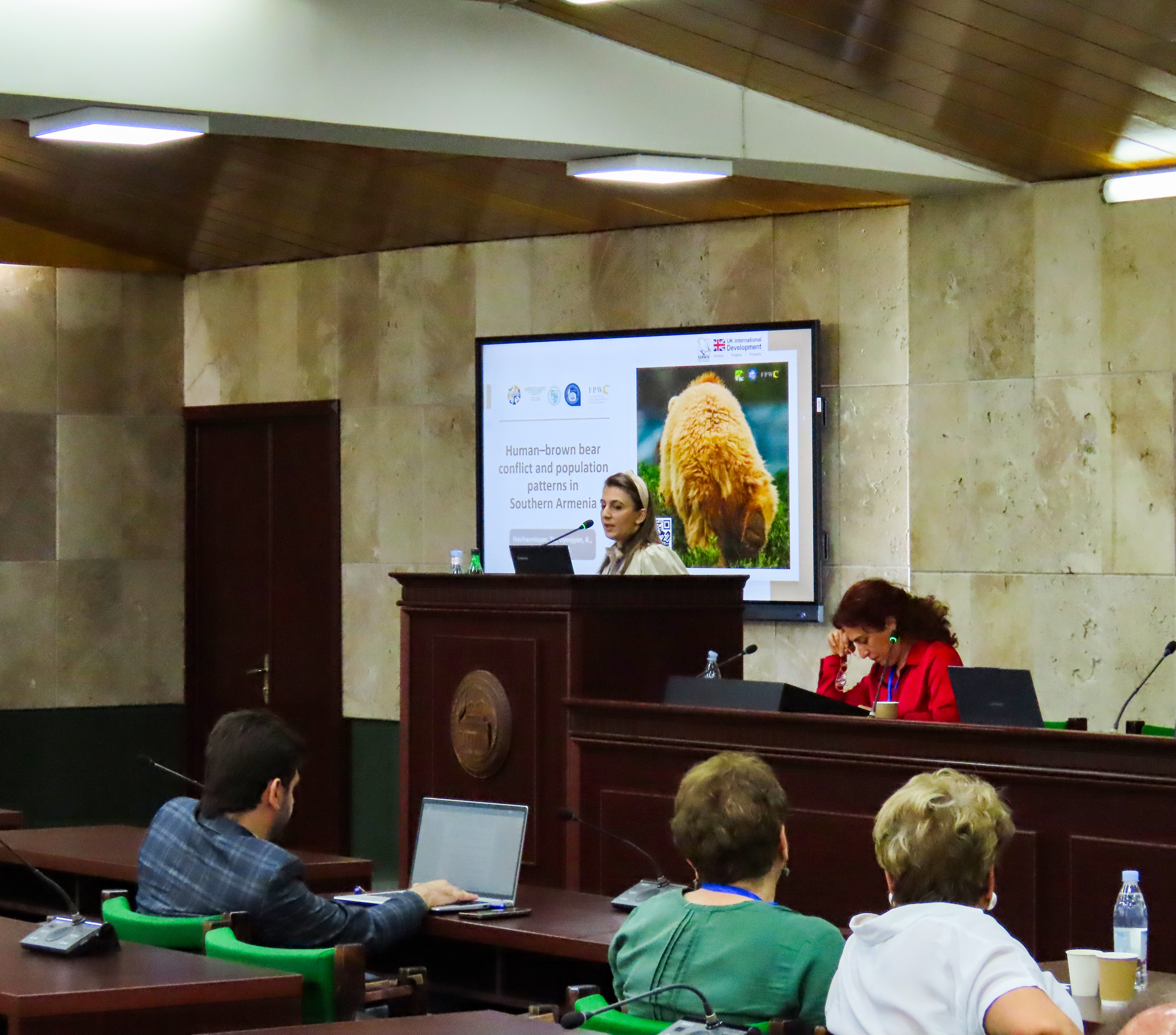
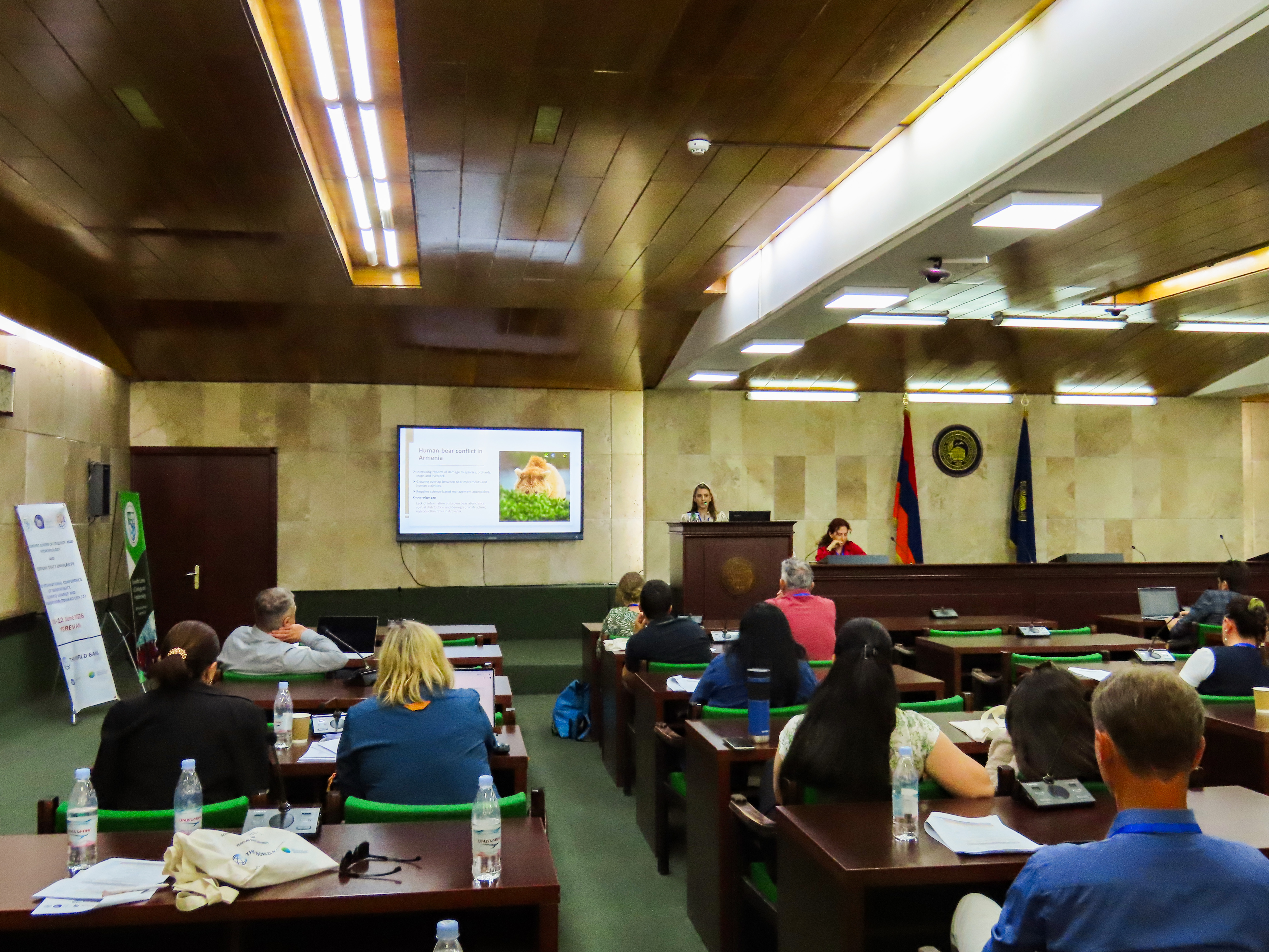
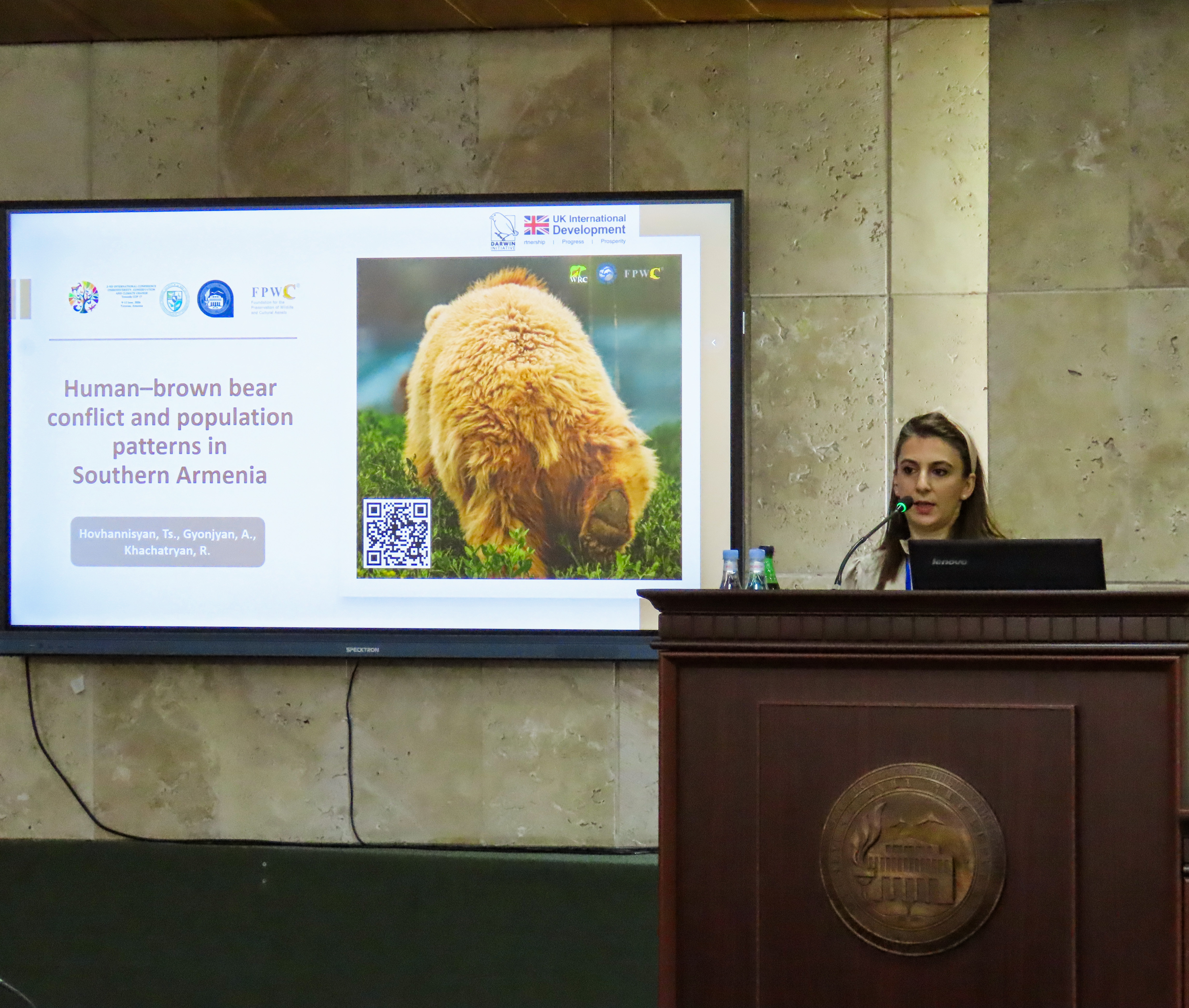
During the conference, Tsovinar Hovhannisyan, the Environmental Projects Manager at FPWC, delivered a noteworthy presentation. She showcased the extensive studies conducted by the foundation over recent years, dedicated to the issues and mitigation mechanisms of human-bear conflict.
Tsovinar Hovhannisyan scientifically justified all the environmental actions the foundation is currently implementing and plans to deploy in the future. At the core of the presented strategy is the systematic collection, mapping, and in-depth analysis of scientific data, which allows for the prediction of animal behavioral shifts and the development of safe, effective models for coexistence.
Throughout the four days of intensive work, numerous plenary, oral, and poster presentations were delivered. The scientific discussions centered around the following fields:
-Biodiversity conservation and ecology
-The impact of climate change on ecosystems
-Conservation of aquatic ecosystems
-Application of the interdisciplinary "One Health" approach
-Current issues in parasitology
A portion of the presented data was collected within the framework of the "Decreasing climate change accelerated human-wildlife conflict in Armenia" project, which is funded by the UK Government through the Darwin Initiative.