
Published on 06/11/2026
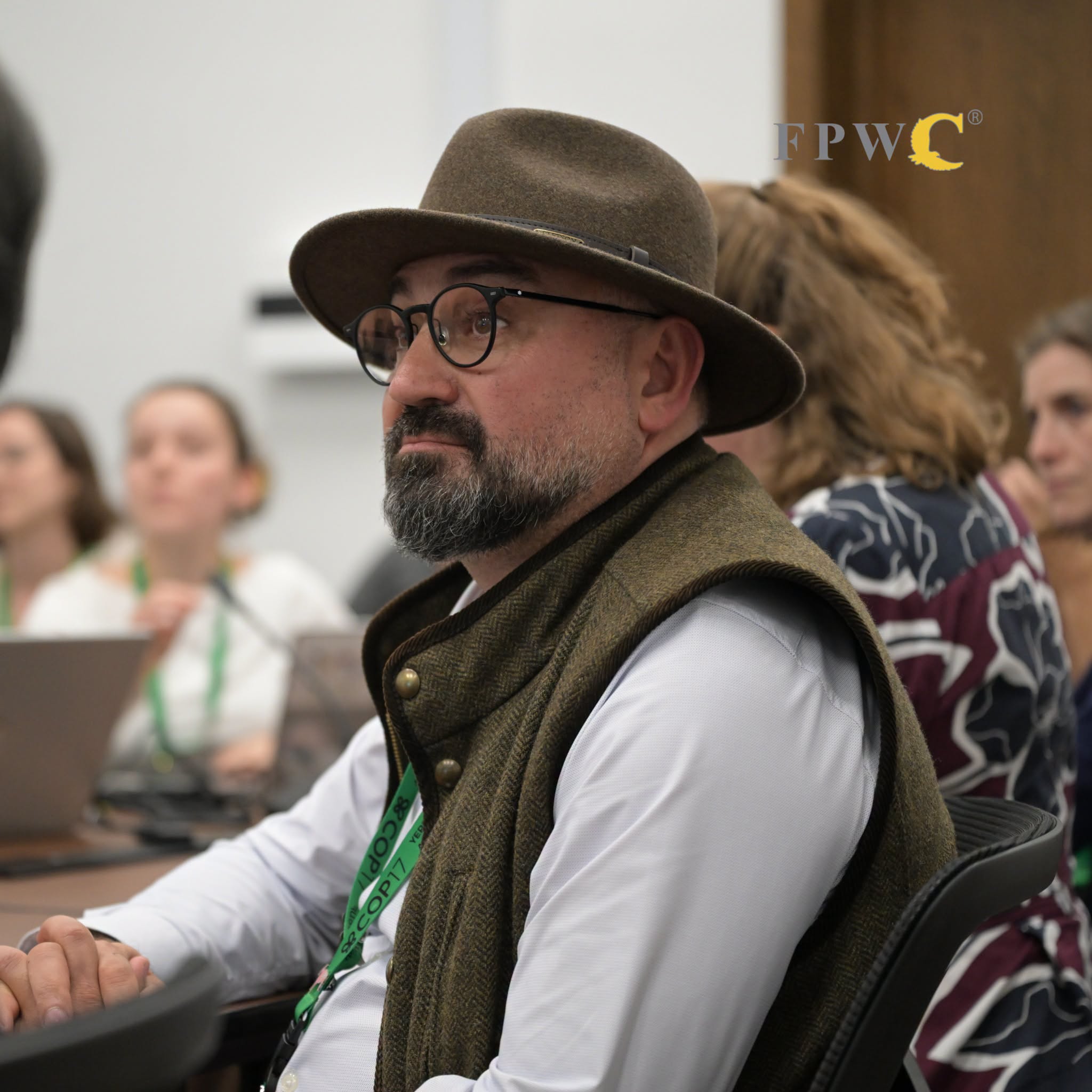
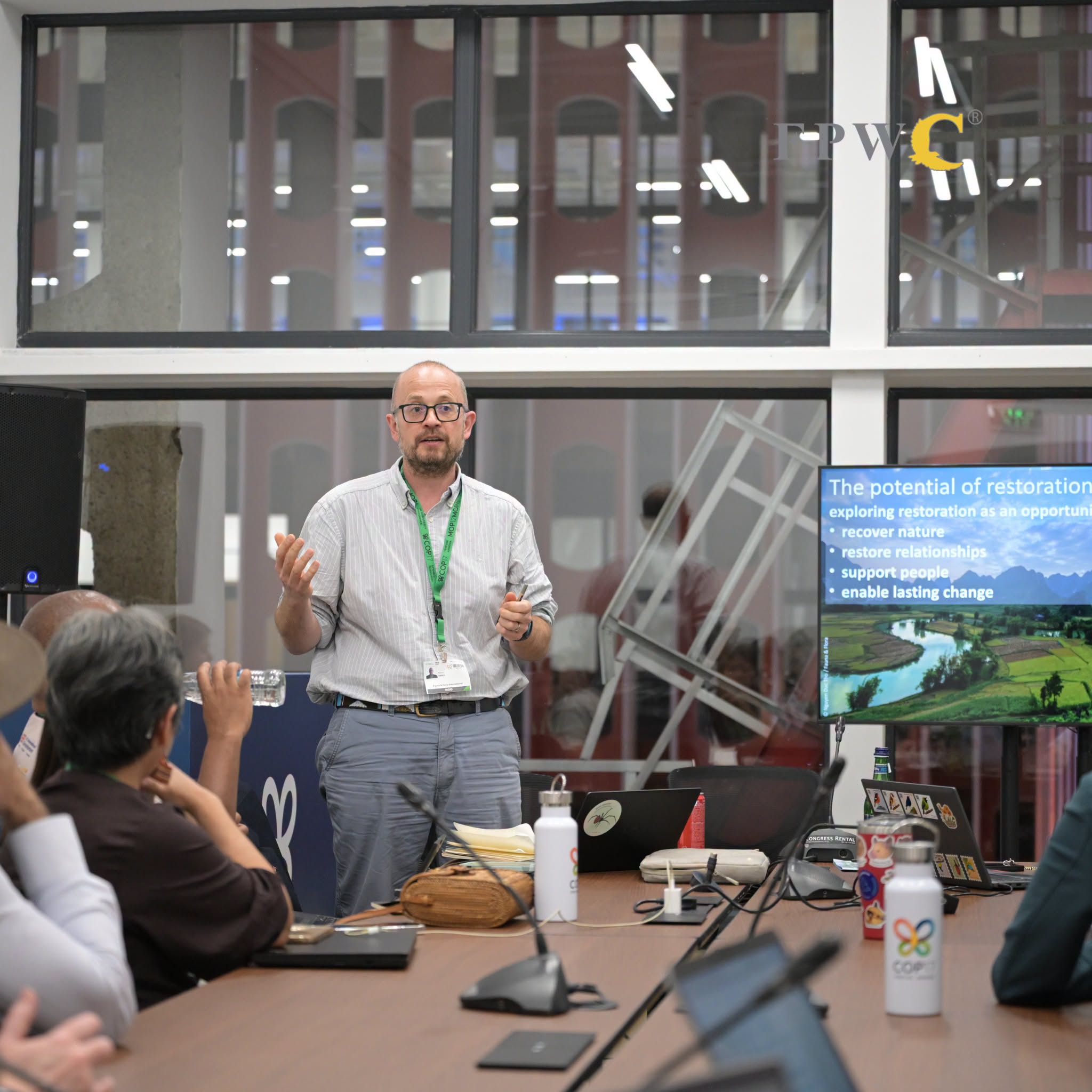
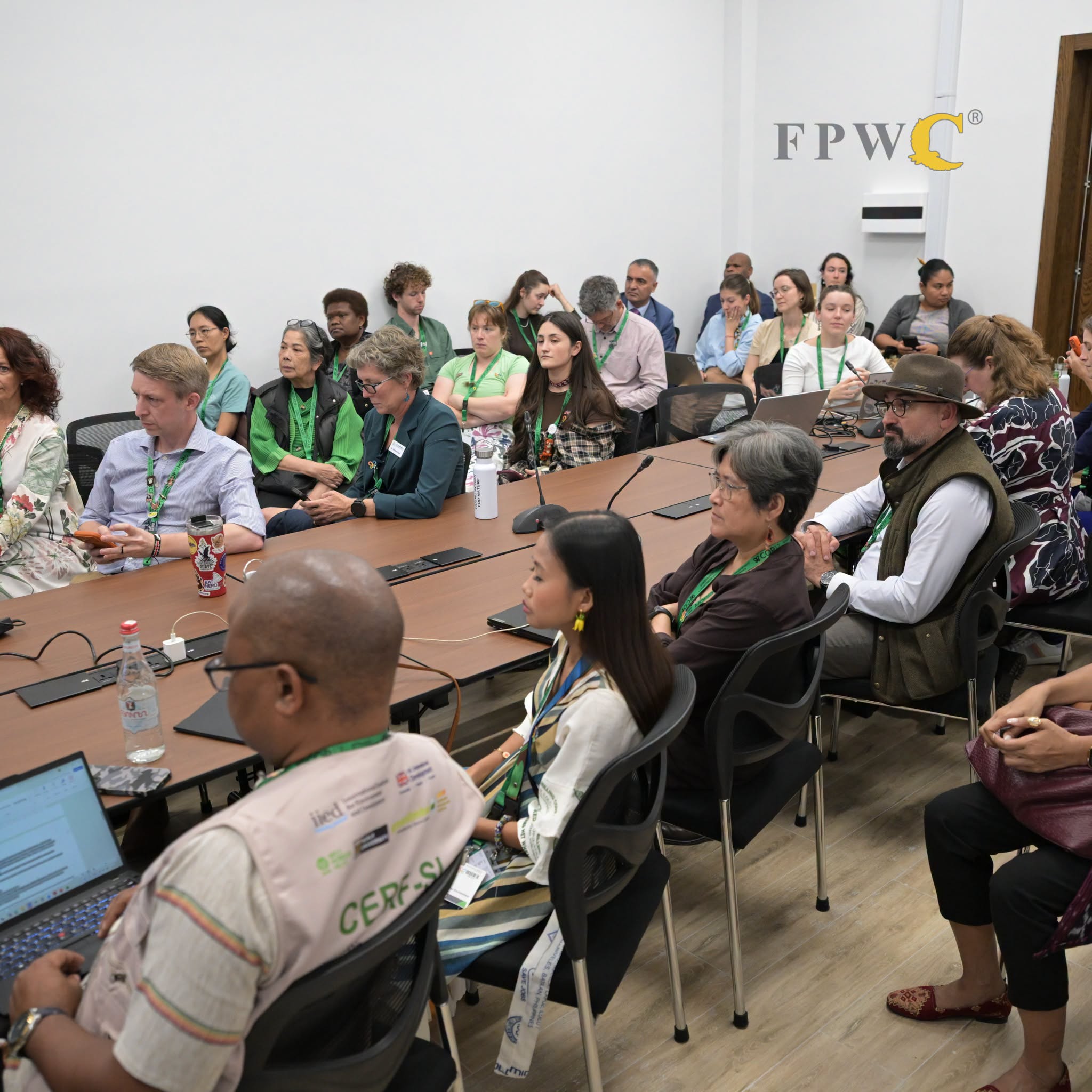
Speaking in the Blue Zone of the 17th Conference of the Parties to the UN Convention on Biological Diversity (CBD COP17), Founder and Director of the Foundation for the Preservation of Wildlife and Cultural Assets (FPWC) Ruben Khachatryan presented Armenia's community-centered model for ecosystem recovery and practical pathways to deliver Target 2 of the Kunming-Montreal Global Biodiversity Framework.
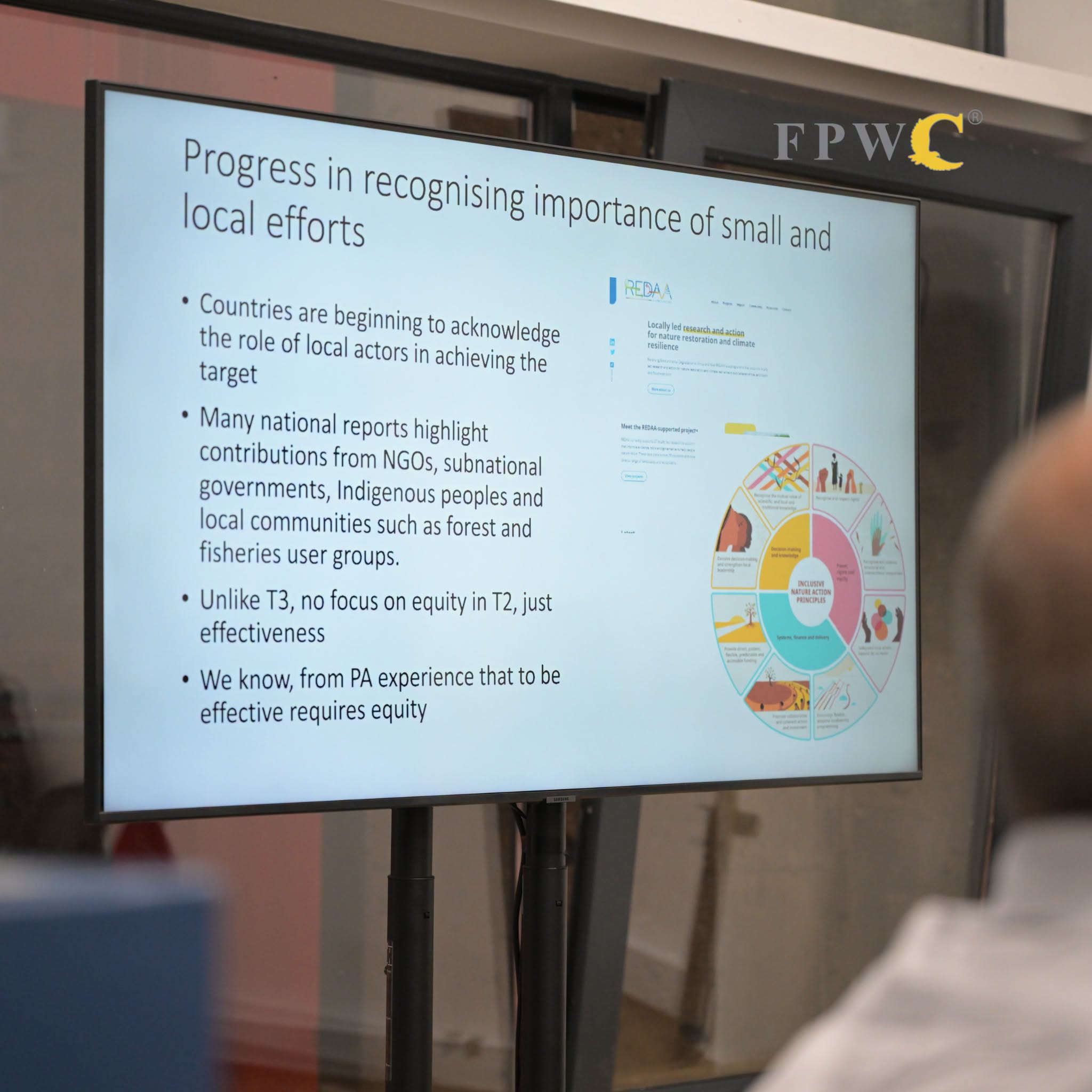
In his speech, Ruben Khachatryan emphasized that alongside the expansion of protected areas (Target 3), Target 2 of the Kunming-Montreal Framework establishes a clear mandate: at least 30% of degraded ecosystems must be under effective restoration by 2030. Without restoring damaged landscapes and biodiversity corridors, it is impossible to ensure the stability of ecosystem services and species protection.
A practical example of delivering this target is FPWC's 5-year project in the Yeghegis River gorge, supported by the Endangered Landscapes & Seascapes Programme (ELSP). The initiative aims to restore degraded ecosystems and ensure connectivity across the entire Yeghegis basin.
FPWC's approach goes beyond conventional tree planting: instead of buying nursery-grown saplings, the foundation's specialists harvest wild seeds from native tree species. This methodology allows for growing climate-resilient seedlings characteristic of the given ecosystem and restoring historically degraded habitats to their natural state.
The key prerequisite for successful restoration work is deep trust established with local communities. FPWC's experience demonstrates that when residents' concerns regarding land loss are addressed, community members themselves step forward with initiatives to expand conserved areas.
The project directly pairs conservation goals with the creation of sustainable livelihoods for local communities, ensuring the long-term sustainability of locally led landscape restoration.