
Published on 24/10/2026
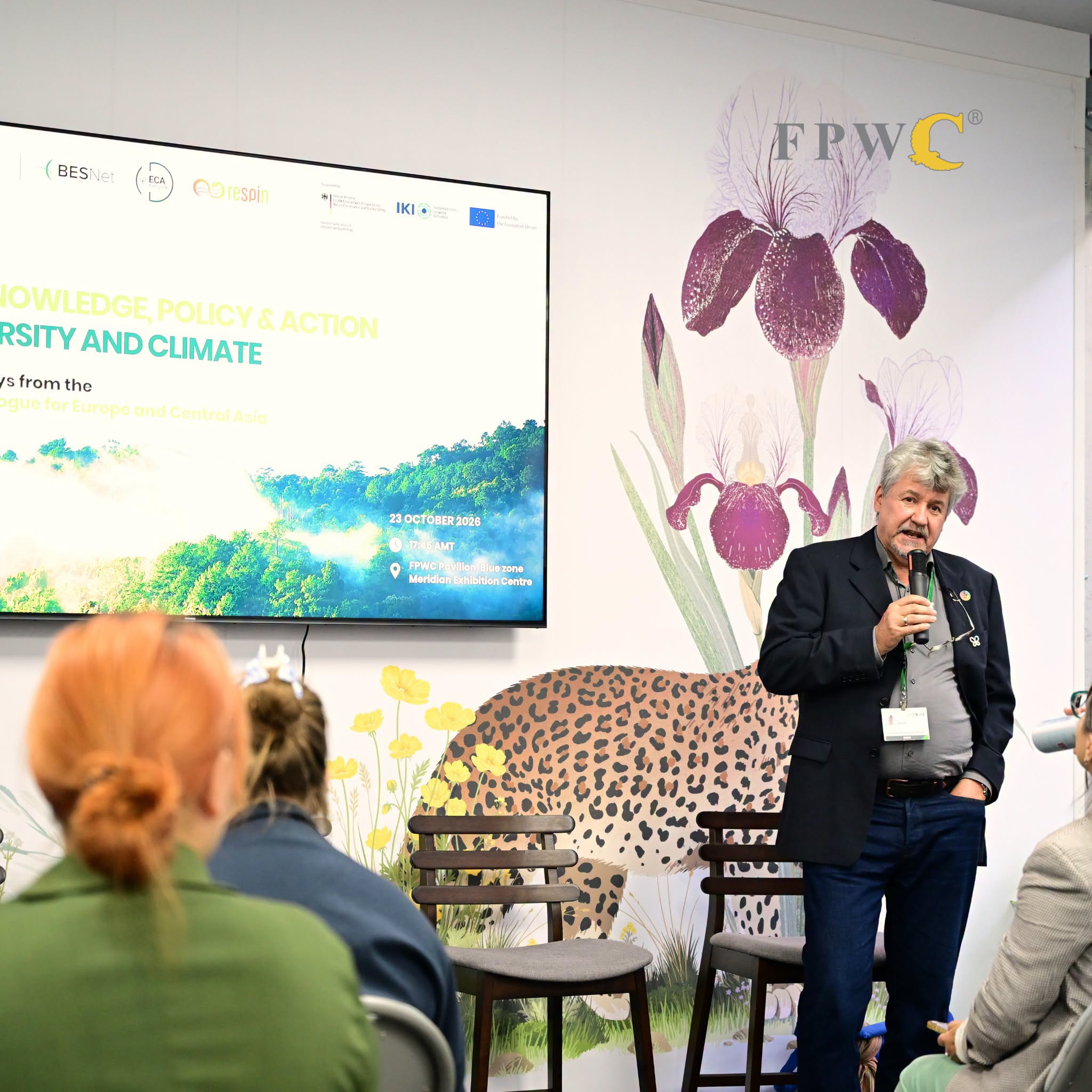
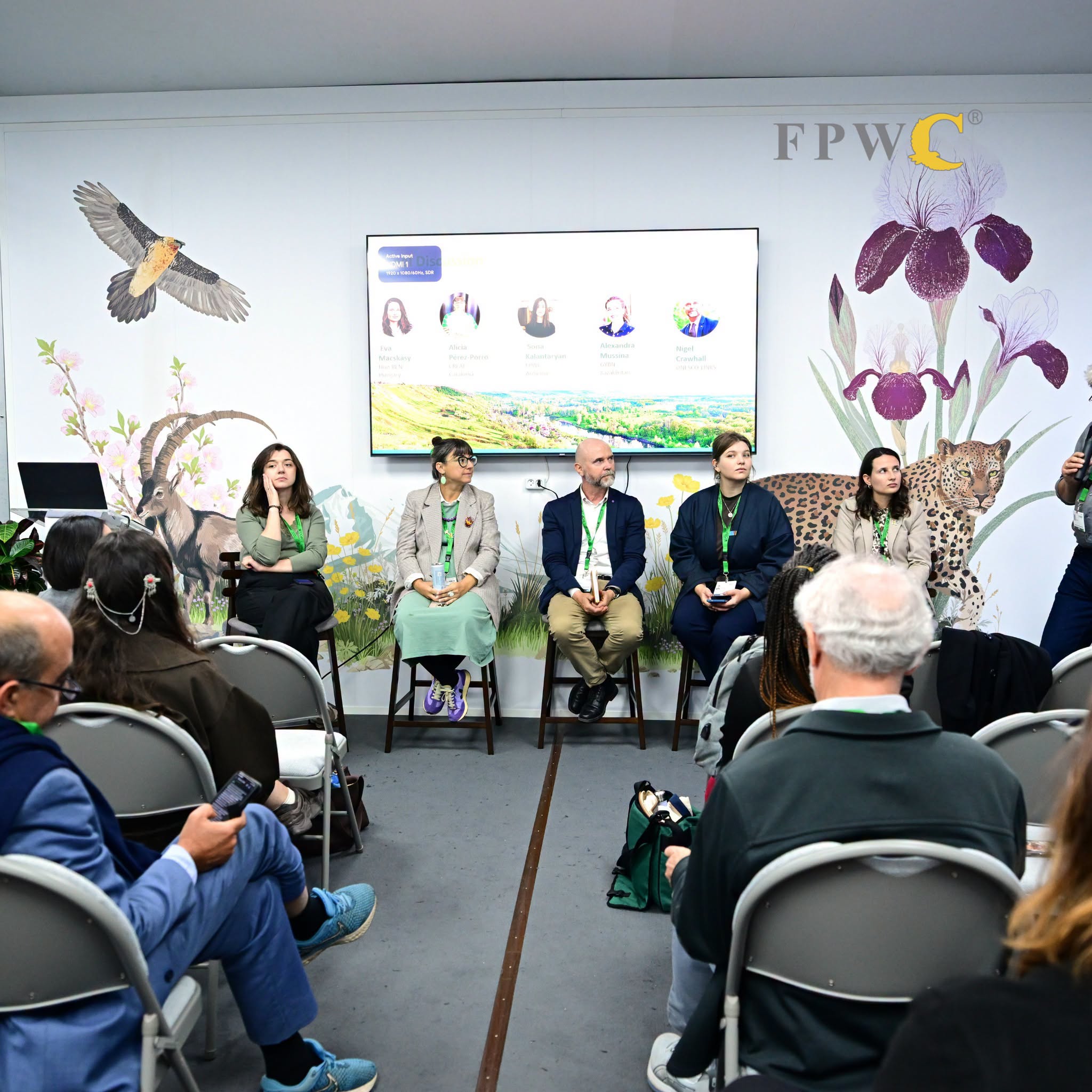
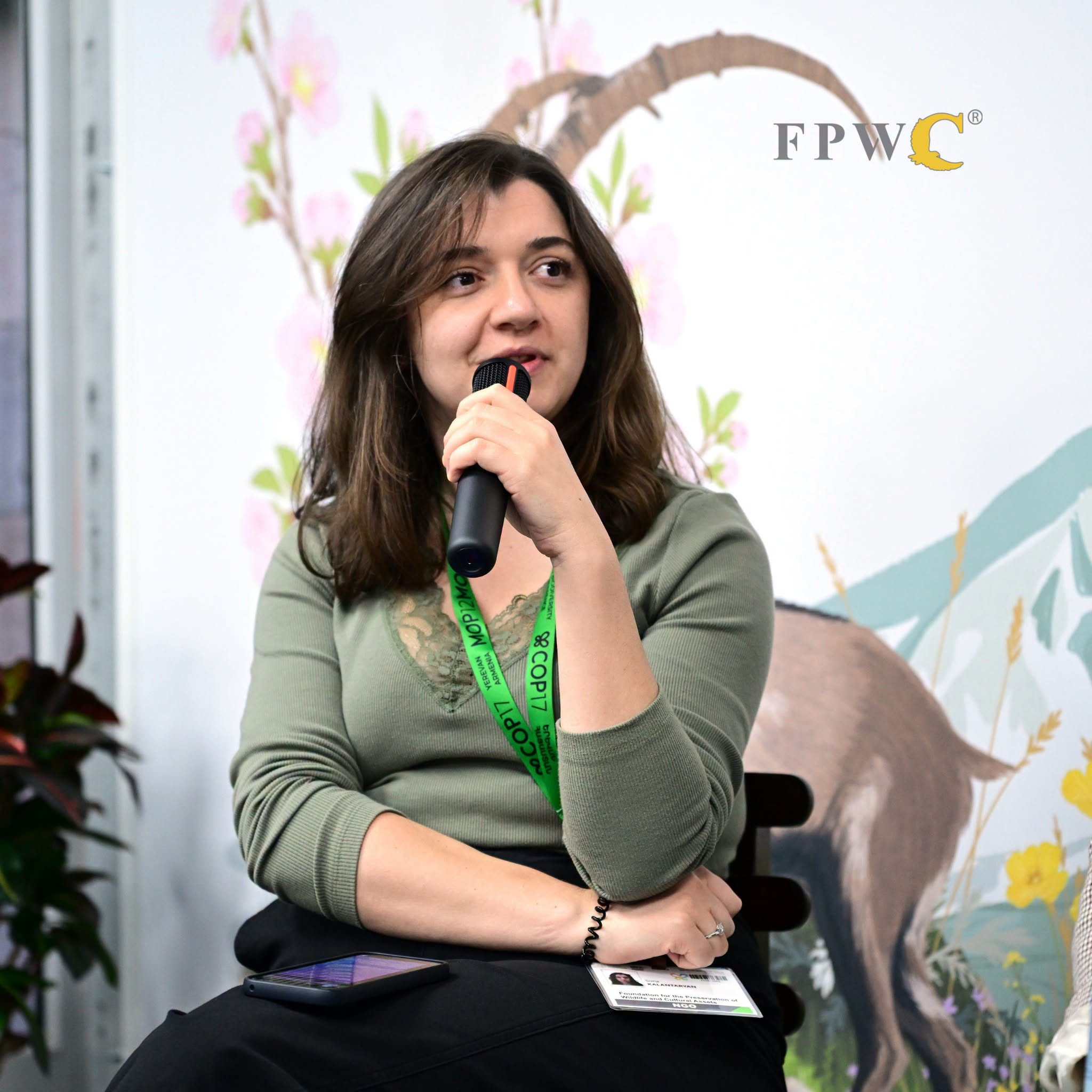
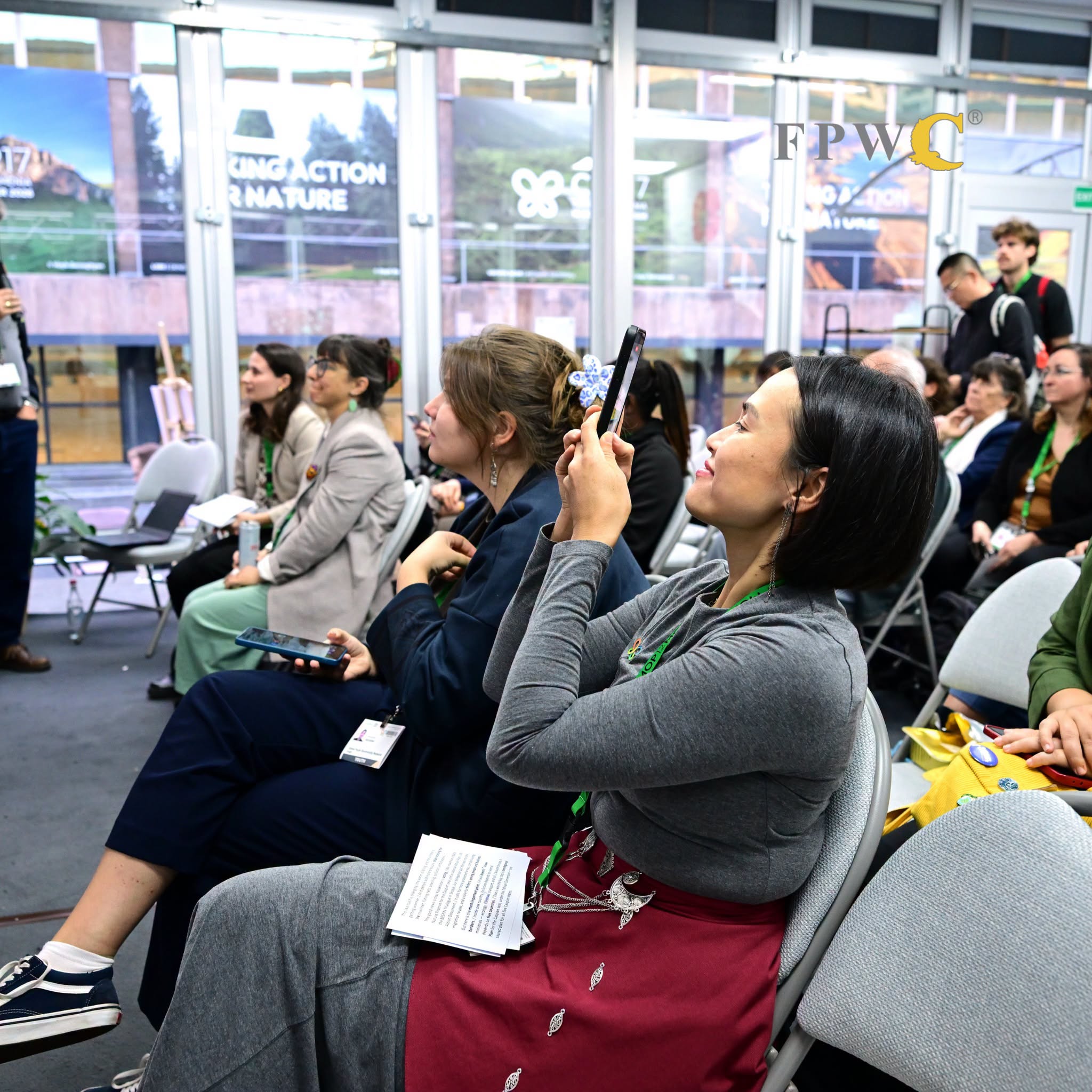
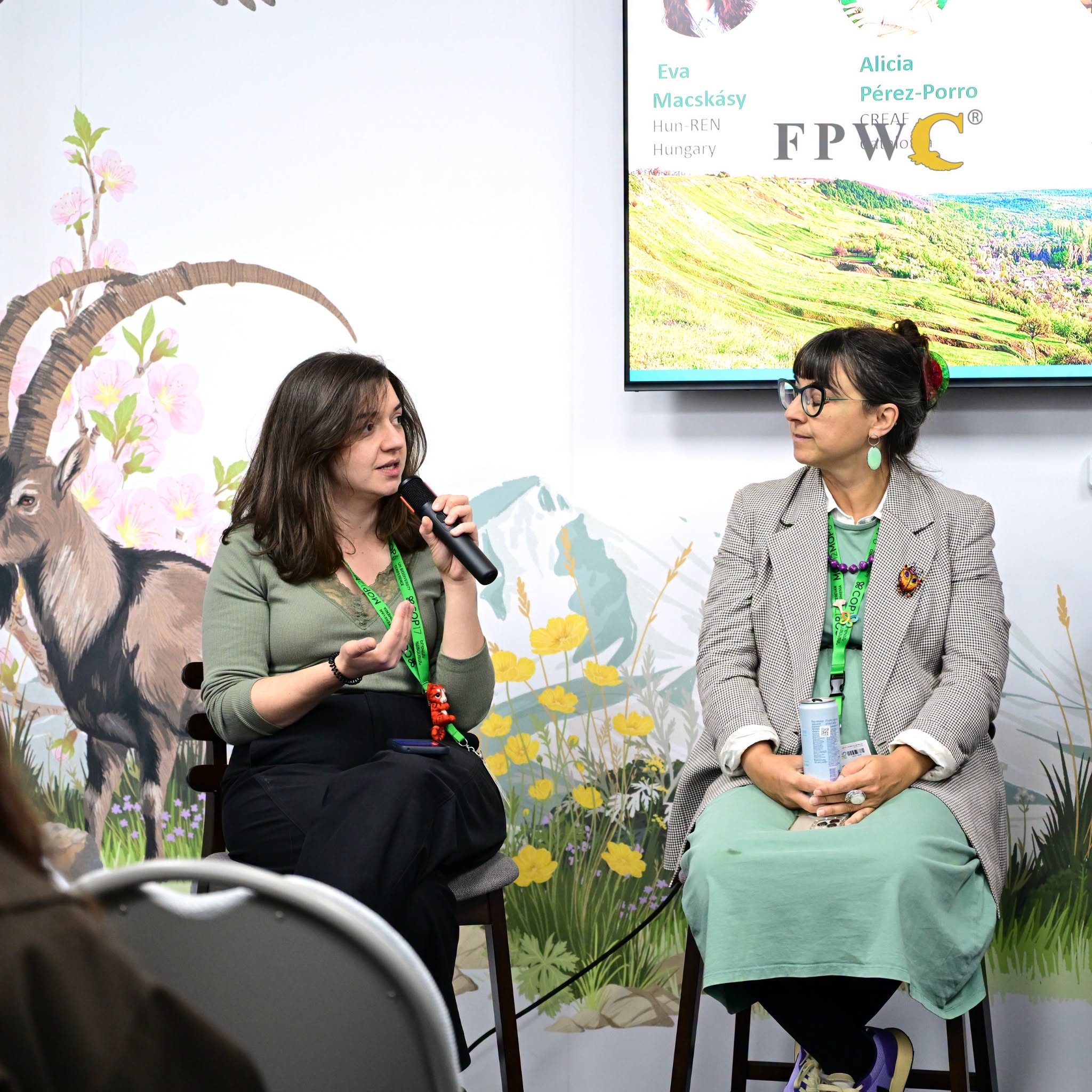
At the pavilion of the Foundation for the Preservation of Wildlife and Cultural Assets (FPWC) in the Blue Zone of the 17th meeting of the Conference of the Parties to the Convention on Biological Diversity (COP17), a panel discussion titled “Lessons and Action Pathways from the Europe and Central Asia BESPIN Regional Trialogue” took place. Co-organized by RESPIN, the ECA Network, and BES-Net, the event centered on translating global scientific assessments and policy commitments—specifically the goals of IPBES, the IPCC, and the Kunming-Montreal Global Biodiversity Framework (KMGBF)—into practical steps at national and local levels.
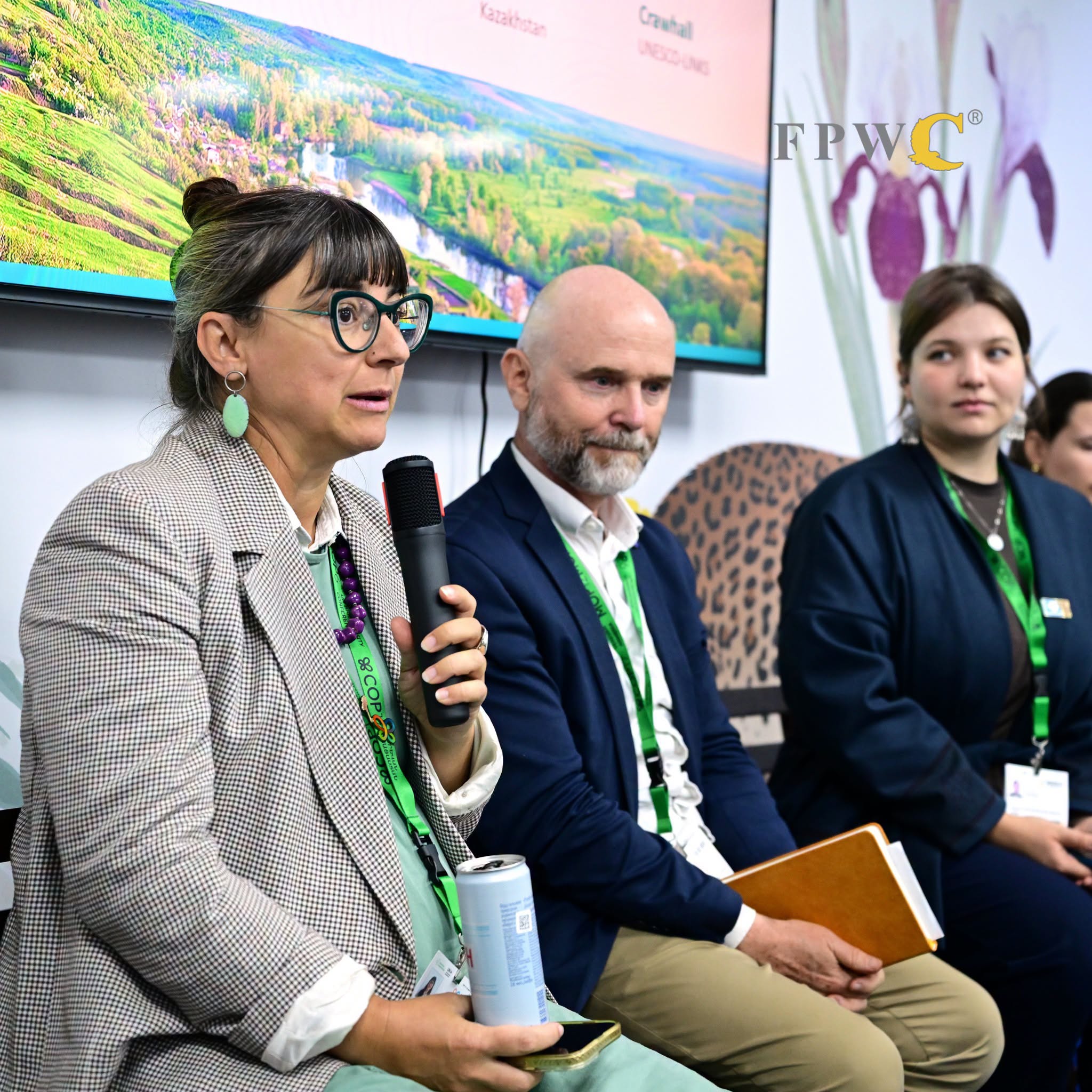
During the discussion, special emphasis was placed on the need to build an effective bridge between international strategic frameworks and the daily needs of local communities. Addressing the challenges of field-level implementation, Sona Kalantaryan of FPWC noted: “One of the biggest challenges is translating global targets and reports into a language understandable to local communities, so that international commitments become comprehensible and applicable actions on the ground.” Expanding on bridging this gap between scientific data and local application, Alicia Pérez-Porro of the Catalonia-based research center CREAF addressed the disconnect between scientists and policymakers, stressing the pivotal role of subnational governments, which directly implement climate and environmental programs locally.
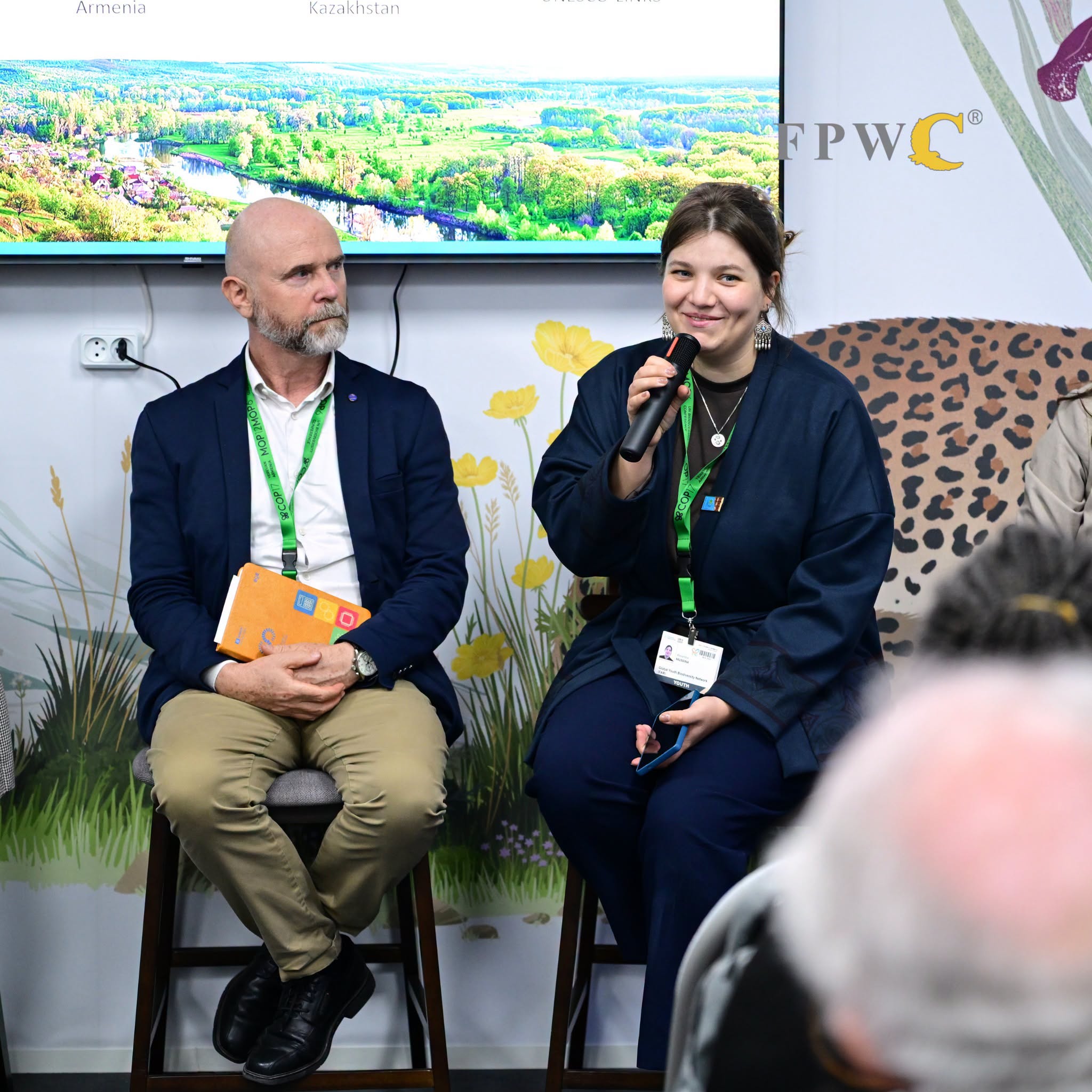
Alongside accumulating successful experience at the local level, speakers highlighted the importance of both cross-border knowledge exchange and strengthening inter-agency cooperation within countries. Éva Macskási of Hungary's Ministry of Environment underscored the significance of regional dialogue, noting that because different countries face similar ecological challenges, there is no need to reinvent solutions from scratch every time; instead, countries should learn from one another's experiences and apply proven best practices. Complementing this perspective from the standpoint of internal systemic barriers, Alexandra Mussina of Kazakhstan's DYBN highlighted the urgency of overcoming silos among national institutions. As she observed, different ministries and agencies often fail to cooperate fully even within the same country, making it essential to strengthen internal institutional dialogue to achieve sustainable results.
Summarizing the importance of integrating science, policy, and local expertise, Nigel Crawhall of UNESCO-LINKS emphasized the irreplaceable role of local and Indigenous knowledge holders. He noted that while governments value global scientific reports, it is vital to ensure the direct and meaningful involvement of local communities in national decision-making processes. The participants agreed that only by uniting scientific evidence, community knowledge, and coordinated institutional collaboration is it possible to effectively advance the interconnected biodiversity and climate agendas.