
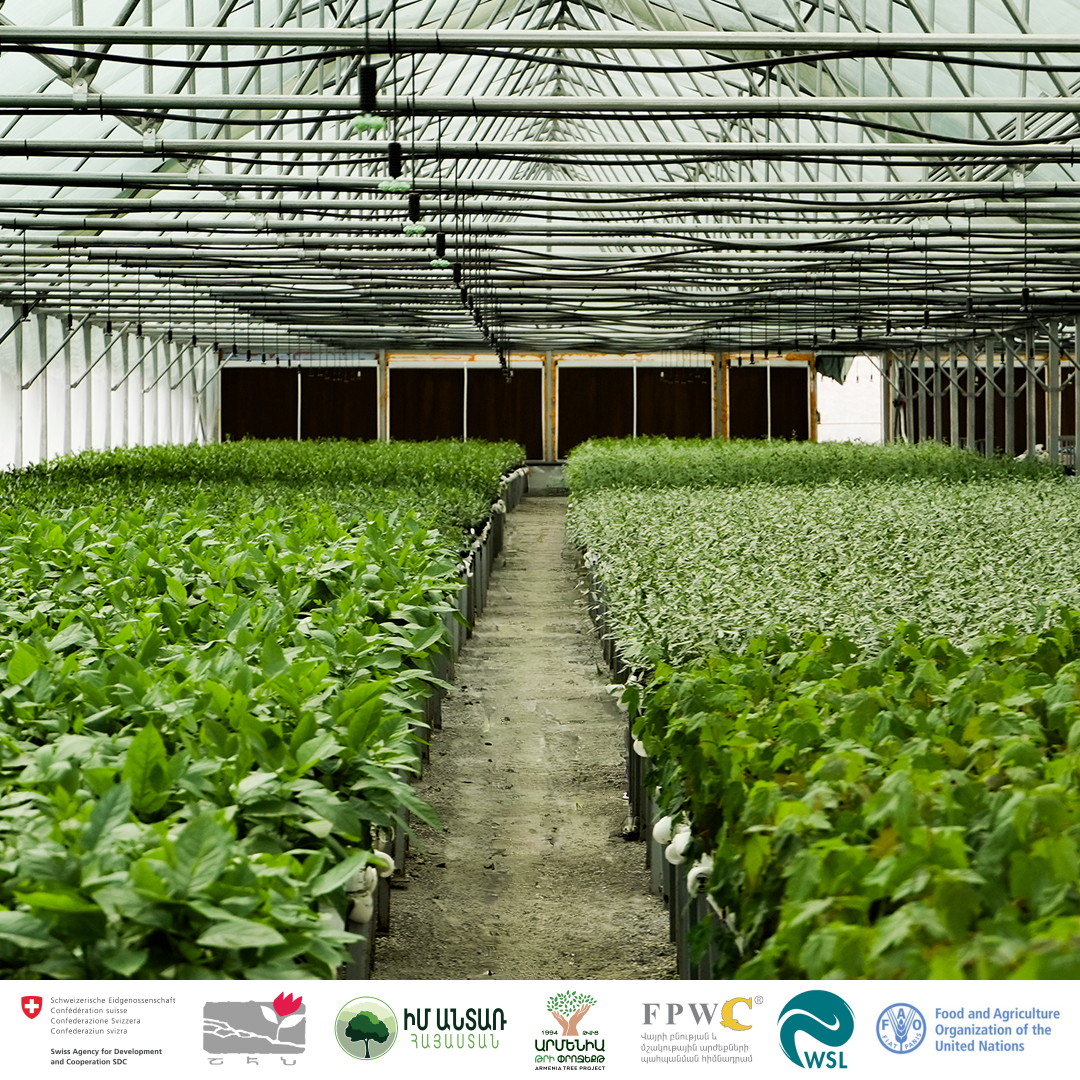
Published on 18/08/2026
Nature conservation and degraded ecosystem restoration are no longer merely local initiatives, but a priority global challenge facing humanity.
Traditional afforestation methods often face low seedling survival rates when local ecological conditions are not taken into account. Within the framework of the "Forest Restoration and Climate Changein Armenia" (FORACCA) project, FPWC applies the internationally recognized Target Plant Concept (TPC) methodology, which is based on the following scientific principles:
Local Genetic Memory: Seeds are collected exclusively from the target areas (wild fruit and forest species) where forest restoration is planned. These species are already adapted to the climate, soil, and water stresses of the specific region.
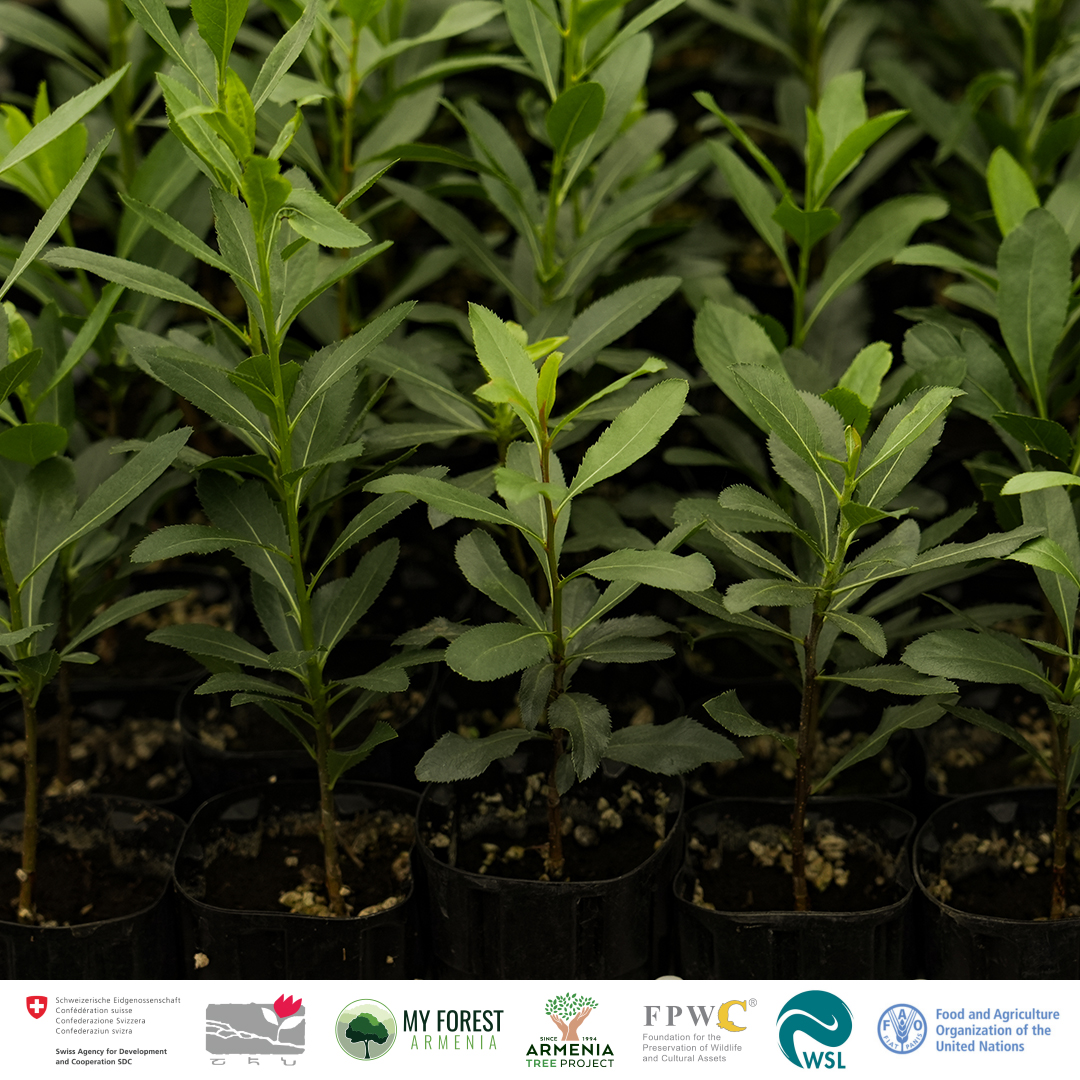
80–90% High Survival Rate: Thanks to the TPC methodology, the use of local seed material, and the targeted development of root systems in nurseries, a record-high seedling survival rate of 80–90% is achieved after planting in natural conditions.
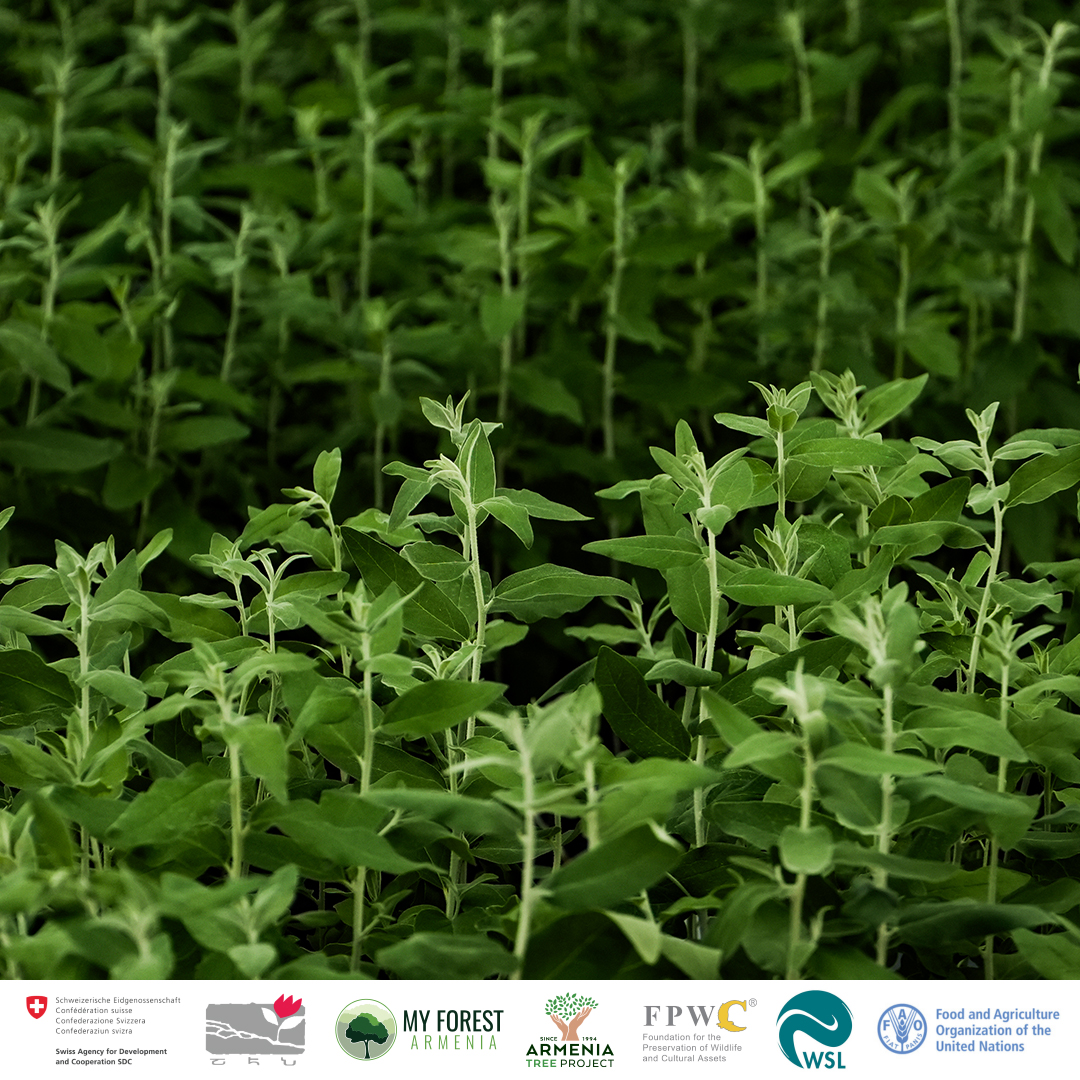
Ecosystem Restoration and Forage Base: The restoration of wild fruit species not only prevents soil erosion but also restores the natural food supply for wild animals and birds, helping preserve the Caucasus Biodiversity Hotspot.
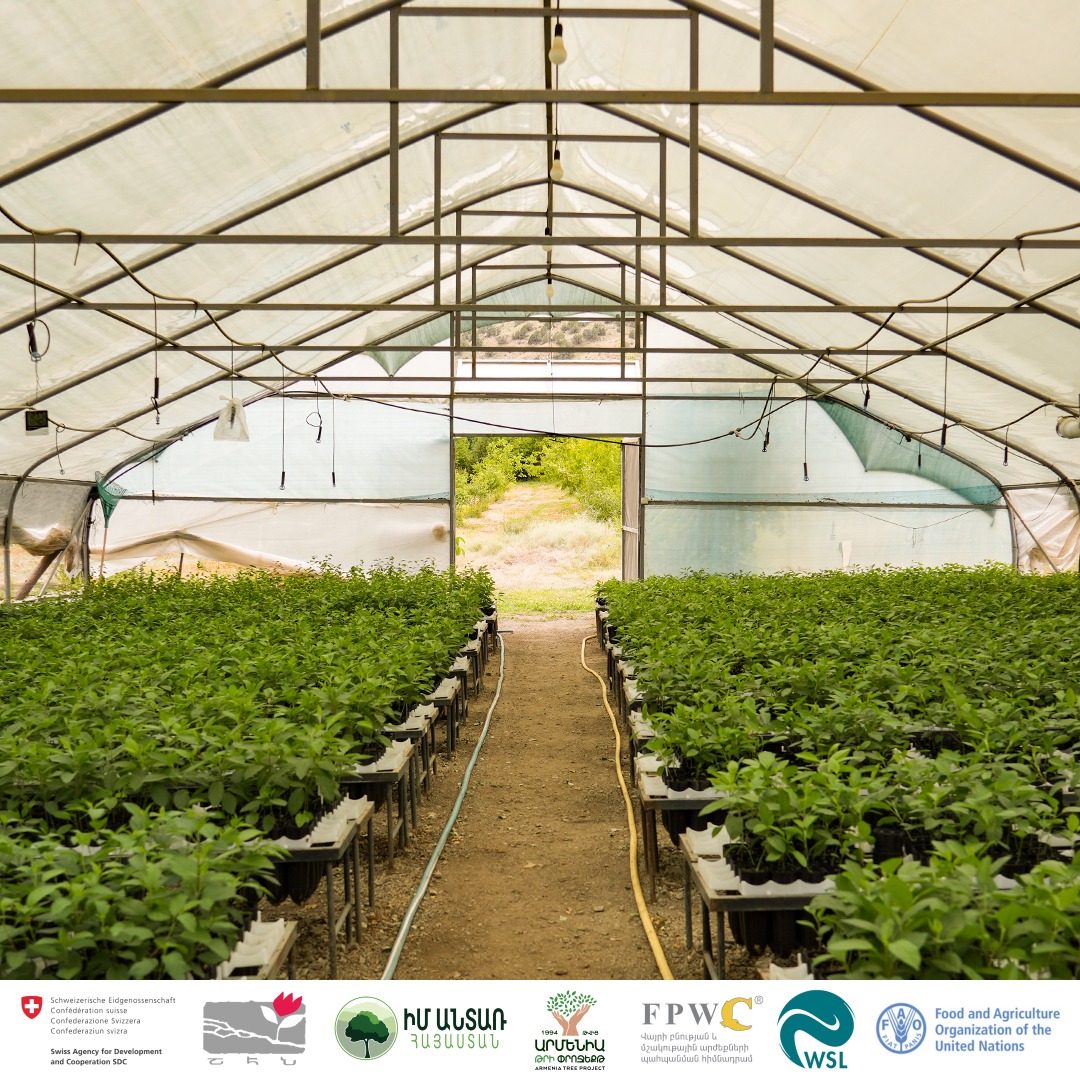
The Kunming-Montreal Global Biodiversity Framework (KMGBF), adopted under the UN Convention on Biological Diversity (CBD), sets clear targets that are binding for the international community:
Target 2: Ensure that by 2030 at least 30 percent of areas of degraded terrestrial, inland water, and coastal and marine ecosystems are under effective restoration.
Target 4: Halt species extinction and maintain the genetic diversity of native, wild, and domesticated species.
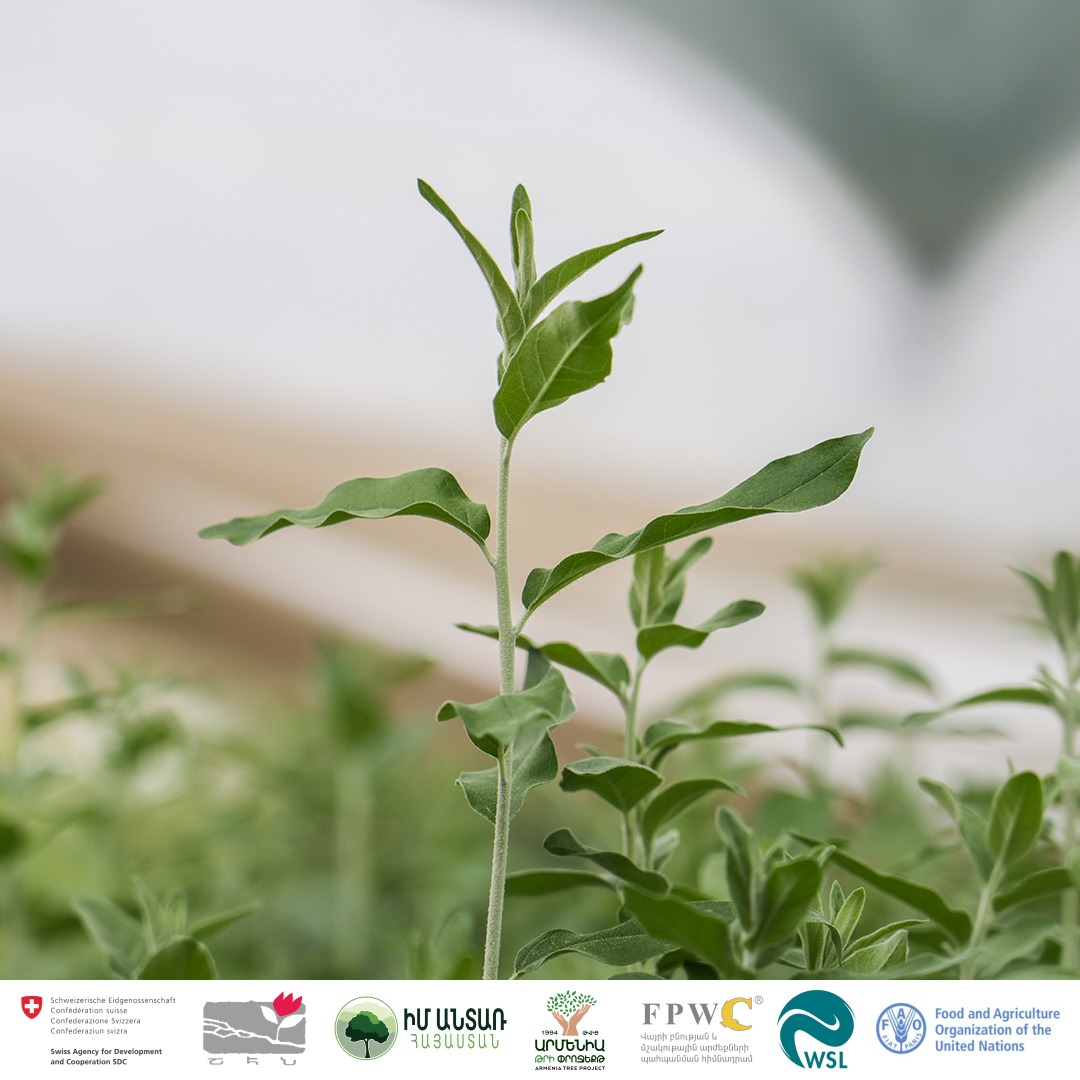
In October 2026, Armenia will host the 17th Conference of the Parties to the UN Convention on Biological Diversity (CBD COP17). This means Armenia is assuming a leading role on the global environmental stage. Effective forest restoration requires not just planting trees, but scientifically grounded approaches that ensure ecosystem stability.
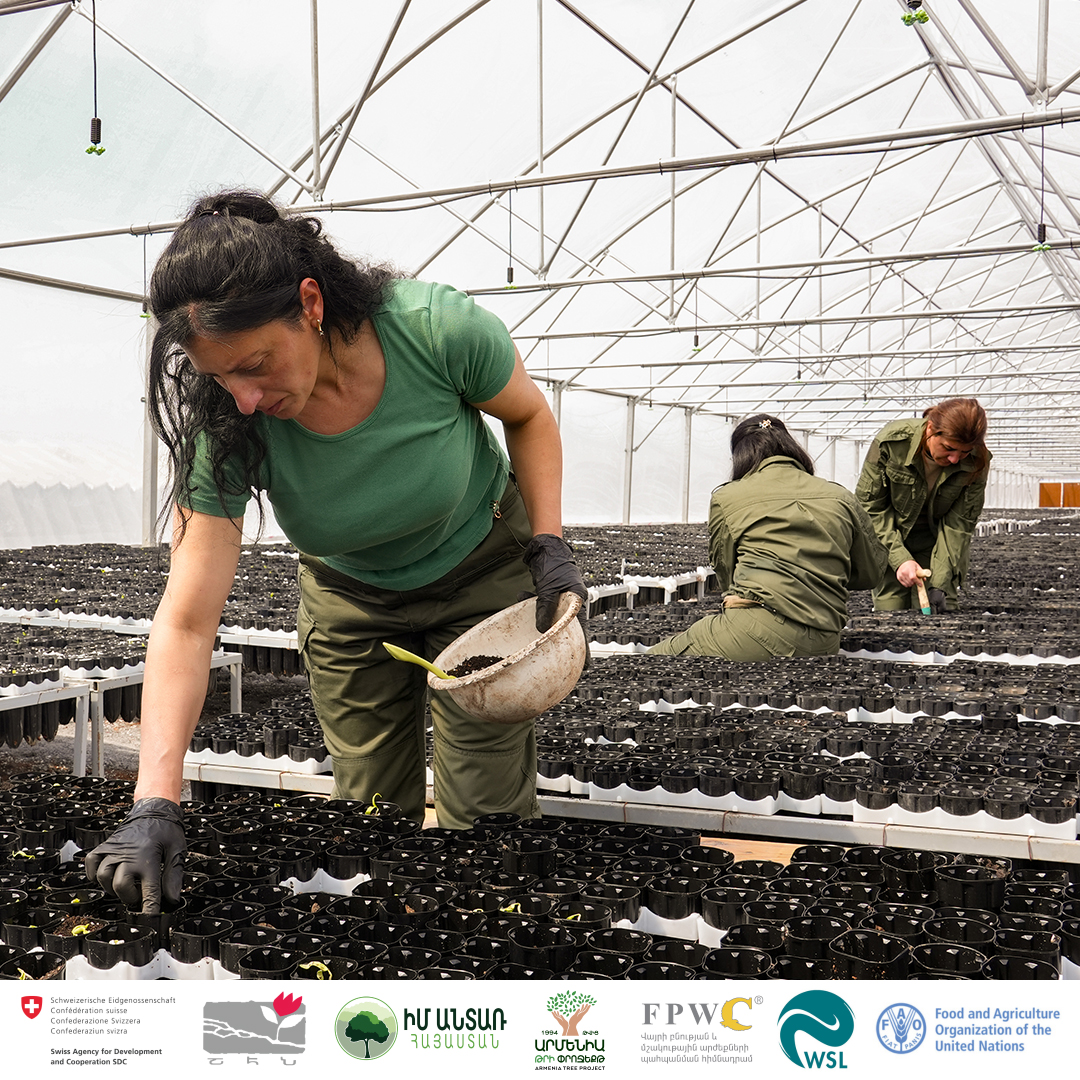
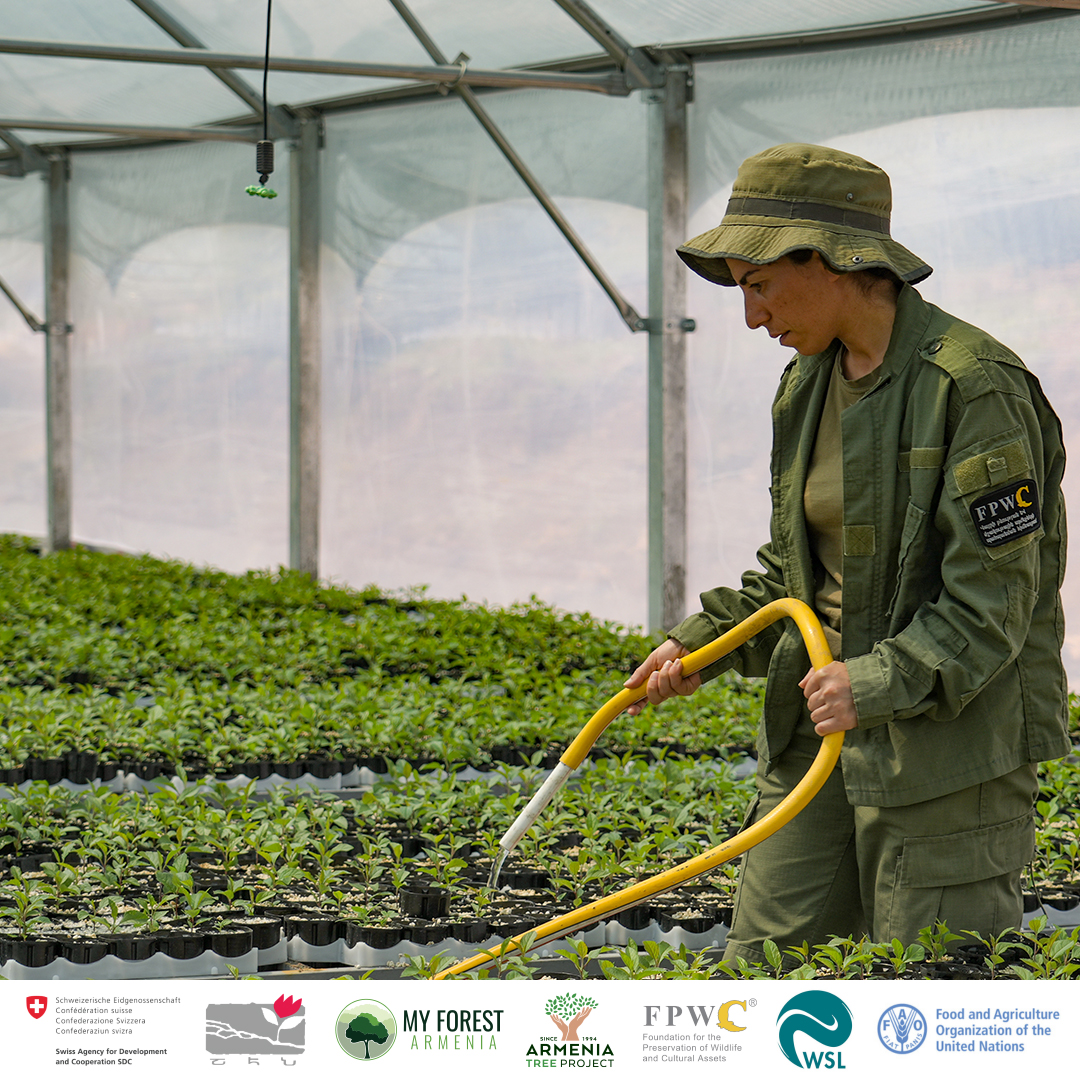
Ahead of these global goals, within the framework of the FORACCA project implementation, tens of thousands of wild seedlings are being cultivated and hardened under strict expert supervision in FPWC’s Urtsadzor and Ushi nurseries. Each seedling undergoes special physiological preparation to ensure it is ready to join forest restoration areas in the autumn.
This practical model implemented by FPWC under the FORACCA project demonstrates that international environmental commitments (CBD, KMGBF) become reality through precise, science-based, and consistent work on the ground.
The "Forest Restoration and Climate Change in Armenia" (FORACCA) project is financed by the Swiss Agency for Development and Cooperation (SDC) and four implementing organizations of the Armenia Forest Alliance: "Shen" NGO, "My Forest Armenia" Environmental NGO, "ATP" Charitable Foundation, and the Foundation for the Preservation of Wildlife and Cultural Assets (FPWC). Implementation partners also include the Swiss Federal Institute for Forest, Snow and Landscape Research (WSL) and the Food and Agriculture Organization of the United Nations (FAO).