
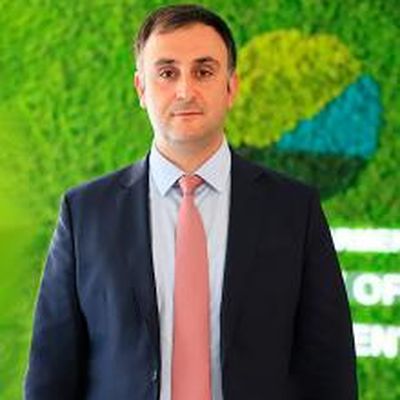
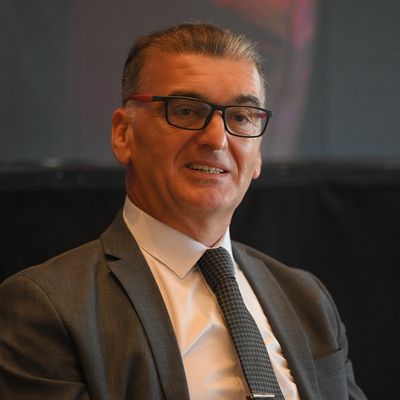
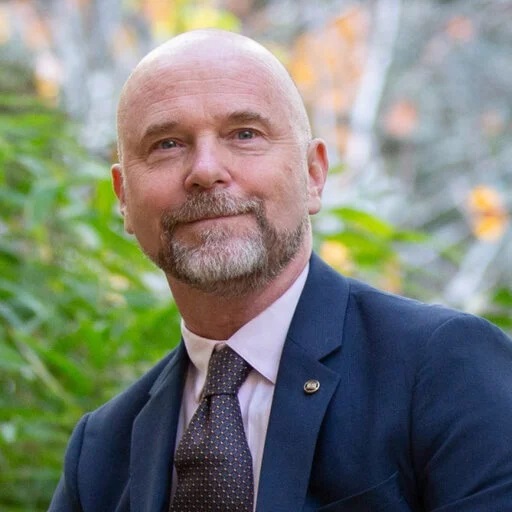
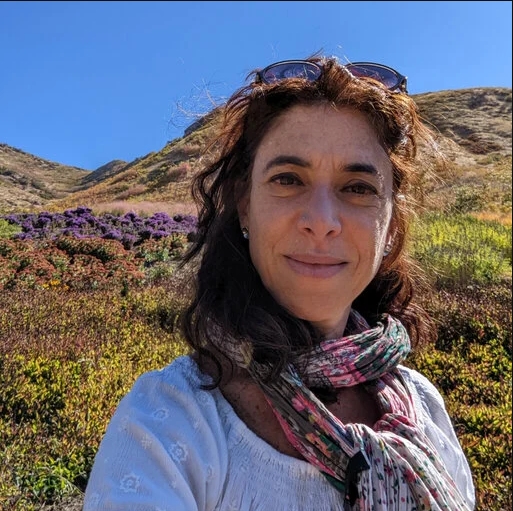
Dr Tobias Garstecki
Director of Protected Area Planning and Management
Re:wild





Convened by FPWC immediately ahead of CBD COP17, this symposium brings together governments, civil society, indigenous leaders, and conservation institutions to address the governance gap at the heart of the Kunming-Montreal Global Biodiversity Framework — and to produce a shared call to action.
The Kunming-Montreal Global Biodiversity Framework's Target 3 commits the world to protecting 30% of terrestrial, inland water, and coastal and marine areas by 2030. Yet the frameworks needed to recognise and finance non-state conservation — Other Effective Area-based Conservation Measures (OECMs), Privately Protected Areas (PPAs), and Indigenous and Community Conserved Areas (ICCAs) — remain absent or underdeveloped in most national legislation.
This symposium convenes the senior experts, policymakers, and practitioners needed to change that. Its central output is the Yerevan Call to Action: a formally adopted policy instrument that will be tabled at COP17, calling on Parties to establish legal and financial frameworks for non-state conservation governance.
Armenia — host of CBD COP17 and home to the Caucasus Wildlife Refuge, one of the South Caucasus's most significant privately protected areas — provides both the political moment and a living case study for what non-state conservation governance can achieve.
The Yerevan Call to Action is the Symposium's principal output — a formally negotiated policy instrument produced through two days of working group deliberation, adopted by consensus, and collectively signed by participants before being tabled at COP17.
Legal definitions and recognition procedures for OECMs, PPAs, and ICCAs in national legislation · Outcome-based eligibility criteria compatible with international reporting standards · Finance mechanisms that reach non-state actors managing effective conservation areas · Community and indigenous rights embedded in — not subordinated to — governance frameworks
The working draft is currently in preparation. Leave your details below and we will notify you the moment it is available for comment.
Thank you — we will notify you when the draft is available.
Session schedule, speakers, rooms · PDF · Updated October 2026
The detailed agenda — exact timings, speakers, and room assignments — will be published as a downloadable PDF in September 2026. In the meantime, here is the indicative structure the Working Group is planning around.
Session order, timing, and content may change before the final programme is published.
Speaker and moderator cards are updated as confirmations are received. Full programme available once the agenda is published.
Director of Protected Area Planning and Management
Re:wild
Head of the Biodiversity Finance Portfolio
UNDP
Global Programme Manager
UNDP BIOFIN

Senior Programme Officer
UNEP-WCMC
Head of Sciences Unit
UNESCO Almaty Regional Office
Speaker — to be confirmed
Organisation — to be confirmed
Speaker — to be confirmed
Organisation — to be confirmed
Speaker — to be confirmed
Organisation — to be confirmed
The Symposium works in four parallel streams across both days. Click any stream to learn more about its scope, questions, and expected outputs.
How countries build the legal architecture to recognise and support non-state conservation.
Land tenure, community rights, and how formal recognition can support community autonomy.
Technical criteria for site-level screening, monitoring standards, and international reporting.
Finance mechanisms that reach non-state actors: PES, biodiversity credits, blended finance.
Examines recognition procedures, registry standards, and eligibility criteria for OECMs and Privately Protected Areas (PPAs) in national legislation. Draws on comparative legal analysis from countries that have enacted enabling frameworks, and from those that have not. Understanding how legal systems, including policies, laws and regulations can enable the specific recognition of these protected and conserved areas.
Empowers knowledge users with confidence that recognition of Target 3 contributions can be achievable through OECM/PA designation and formal recognition. This stream will be delivered through panel discussions and information sessions.
Detailed session agenda, background papers, and rapporteur details will be published here once the programme is finalised in September 2026.
Areas governed by Indigenous Peoples and Local Communities (IPLCs) are among the most ecologically effective conservation areas globally, yet most national frameworks fail to recognise them — whether that governance is formalised as an ICCA, falls under community-based conservation, or has no current legal category at all. Examines land tenure, community rights, and how formal recognition — under ICCA or other pathways — can support, rather than undermine, community autonomy.
Development of Principles for rights-compatible recognition of indigenous and community governance, including safeguards and community consent mechanisms (FPIC and similar) applicable to IPLC governance pathways, for inclusion in the Yerevan Call to Action. This stream will be delivered through panel discussions, workshop/participant discussion, and case studies.
Detailed session agenda, background papers, and rapporteur details will be published here once the programme is finalised in September 2026.
Addresses what biodiversity outcomes qualify a site as an OECM. Develops technical criteria for site-level screening, monitoring standards, and compatibility with international reporting databases, including the World Database of Protected Areas (WDPA).
A technical annex for eligibility criteria and monitoring standards for the Yerevan Call to Action, designed to be compatible with IUCN and CBD reporting frameworks. This stream will be delivered through panel discussions and workshop/participant discussion.
Detailed session agenda, background papers, and rapporteur details will be published here once the programme is finalised in September 2026.
Even recognised OECMs struggle to access conservation finance. Examines payment for ecosystem services, biodiversity credits, development bank instruments, and blended finance structures that can reach non-state actors at scale.
Finance design principles and recommended mechanisms for the Yerevan Call to Action, aimed at making biodiversity finance accessible to non-state conservation actors. This stream will be delivered through panel discussions and information sessions.
Detailed session agenda, background papers, and rapporteur details will be published here once the programme is finalised in September 2026.
Speaker confirmations, draft releases, and programme news, posted here as the Symposium takes shape.
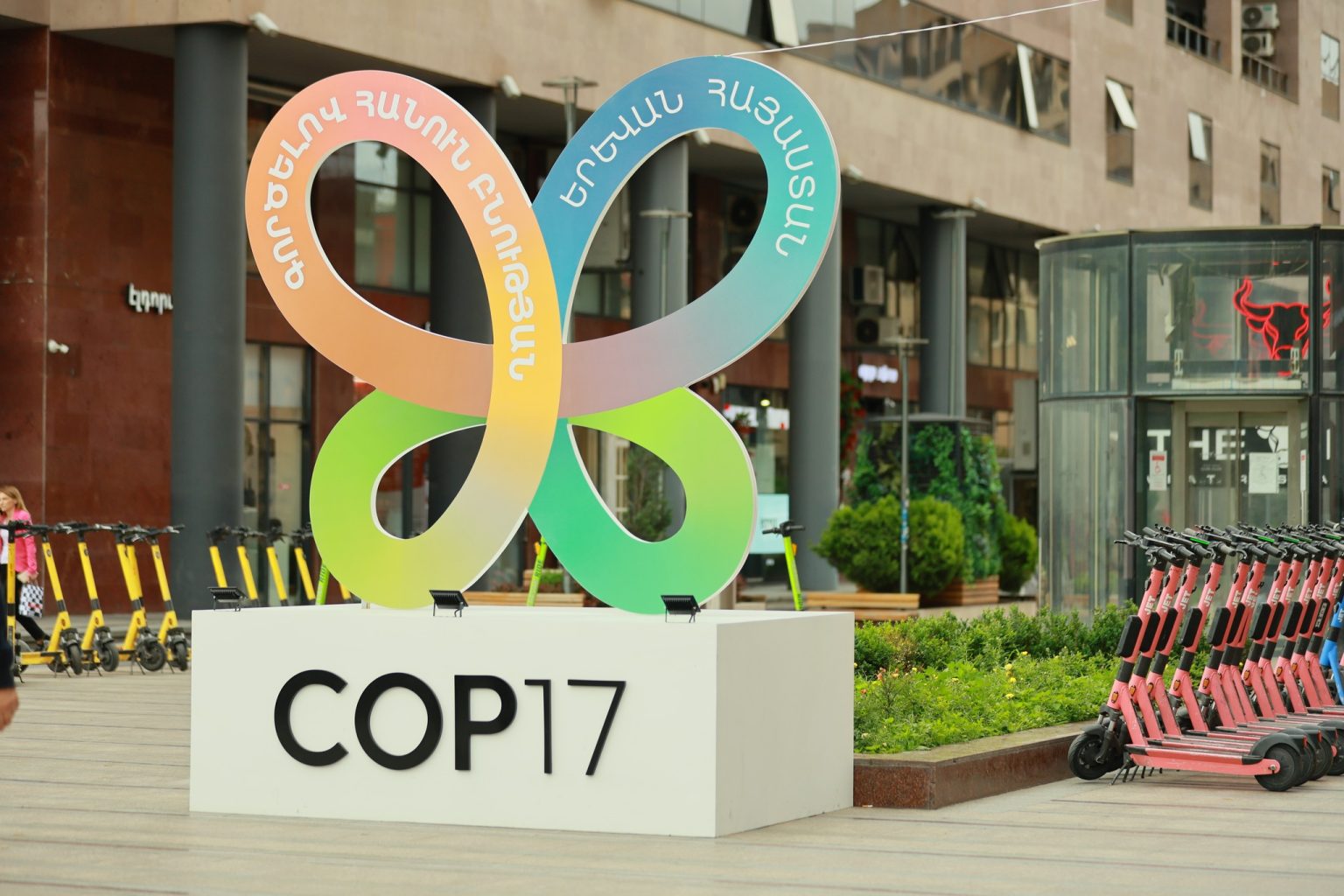
The 17th Conference of the Parties (COP17) to the Convention on Biological Diversity will be held in Yerevan, Armenia, from 19 to 30 October 2026. Armenia's government has been preparing to host si...
Read more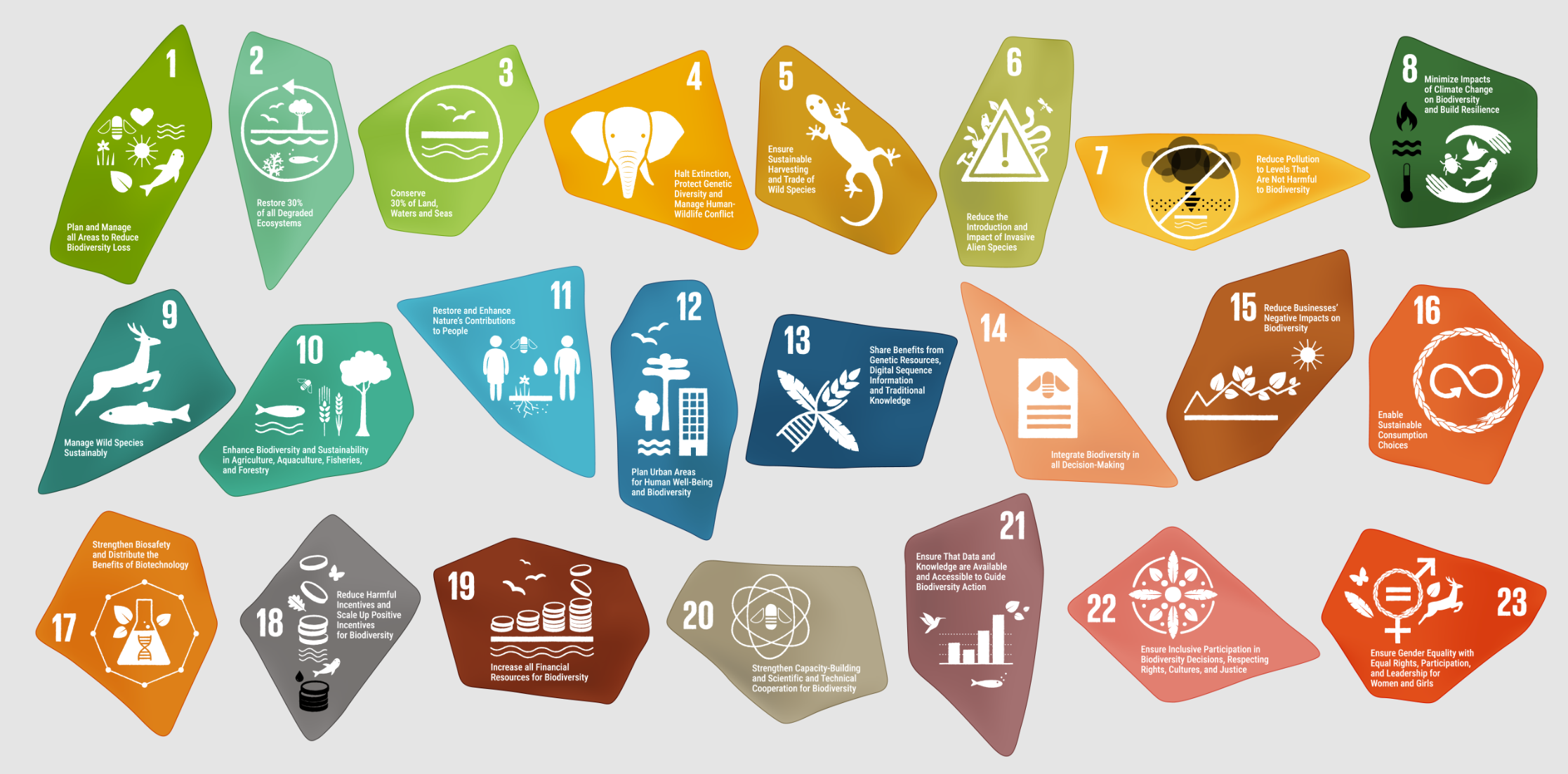
In December 2022, at COP15 in Montreal, 196 countries adopted the Kunming-Montreal Global Biodiversity Framework (GBF) — the agreement that now sets the world's course on nature for this deca...
Read moreThe Symposium brings together up to 200 delegates. Click Register to complete the registration form. You will receive an automatic confirmation of your submission, and we will follow up with further details and accreditation information.
🔒 Your information will not be shared with third parties.
Sponsorship supports delegate travel, the Working Group process, and the Symposium's production. Partners are credited across the website, programme, and at the Symposium venue.
Leave your details and preferred tier — we'll follow up with the full prospectus and pricing.
Thank you — we'll be in touch with the full partnership prospectus shortly.
The Working Group is the decision-making body responsible for the Symposium's governance, programme design, and the drafting of the Yerevan Call to Action. It meets monthly from June through October 2026.










To register interest or enquire about attending as a CBD observer organisation.
symposium@fpwc.orgSend written comments on the draft Yerevan Call to Action. All submissions reviewed by the Working Group rapporteur.
calltoaction@fpwc.orgInterested in supporting the Symposium or exploring institutional partnership.
symposium@fpwc.org